


28th October 2026
Selling Firewood or Selling Sawdust? Why Screening Matters More Than You Think
Cutting and splitting firewood over a weekend, I had visualized an orderly pile of logs, ready for storage or transport. But the reality of moving a few of them into a basket to take indoors reveals all the sawdust, loose bark, splinters and small chips of wood that I had not seen when I thought the work was done.
Some debris is inevitable when splitting firewood. The debris that collects at the bottom of every bag or on the floor of every trailer is not inevitable and becomes very bothersome.
Whether you’re using firewood for your own home during the winter months or selling loads of wood from your property, screening the wood can make a big difference. It allows you to sort out the good logs from the debris before it leaves your property.
Why Clean Firewood Needs More Than Proper Splitting
Even after splitting your firewood into logs of convenient size, much that fell during cutting will remain between the logs until you move them.
Remove Loose Bark and Sawdust Before Delivery
Recently split firewood often contains pieces of bark, sawdust, and broken wood fibers. Rougher hardwoods can generate lots of small chips, many of which will be already detached from the logs by the loose bark.
Pieces like these get left in the spaces between the logs. A clean looking pile of firewood can have quite a bit of debris down at the bottom.
The loose material in your firewood is removed by a firewood screener before it is placed in bags, bins or trailers. The process does not alter the firewood. The screener simply removes the unwanted fragments that would normally travel with the firewood.
Keep the Finished Load Focused on Usable Firewood
When you are bringing in a basket of logs to put in the living room for the stove you want to bring enough and not a trail of sawdust behind you.
It makes no difference if you are giving a pile of firewood to a neighbor or delivering a small load of firewood to a customer, the loose debris makes unloading a mess and adds to the after cleaning up.
Our rough screened wood products still have their natural bark and uneven surfaces. We don’t try to make them look polished. Removing loose debris makes them easier to move around and store.
How Screening Changes the Value of a Firewood Load
A clean load doesn’t necessarily mean more money for you, although for home users it can mean a cleaner woodshed. For those selling firewood, presentation is also worth something.
Present a Cleaner and More Consistent Product
Imagine two bags containing the same amount of split hardwood. One of them has a thick layer of bark flakes and sawdust at the bottom, the other is made up of mostly clean logs.
This bag is more desirable than the previous one, even if it contains the same amount of dry wood.
Screening firewood helps to create a consistent product that customers can easily recognize when purchasing. It also prevents you from delivering loads of loose debris mixed in with firewood. Customers typically unload wood at their homes, and want to see what they are getting before they spread it out.
Make Better Use of Wood Debris
Not everything removed during screening needs to be discarded.
Clean dry bark and suitable sized wood chips can on occasions be saved up as kindling. These should be stored separately from fine sawdust, dirty material and any soiled material such as with soil on it etc.
Screening out materials as you gather them allows you to sort them before they end up under your finished firewood pile instead.
The available firewood screener range offers options for different wood-processing setups.
How the Electric Firewood Screener 251018 Works
Handling large quantities of firewood on a seasonal basis can make hand sorting of each log quickly become impractical. A dedicated screener will provide a more consistent method of separating loose debris from sound wood.
Separate Wood Debris With a Dedicated Screening System
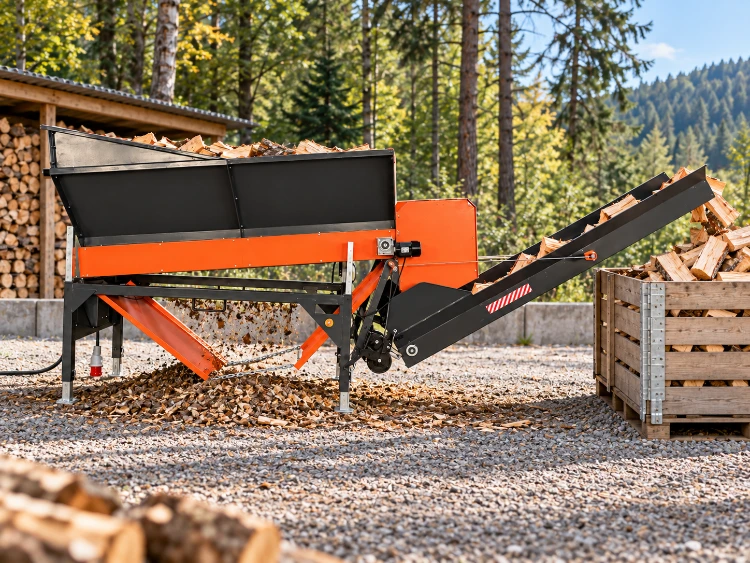
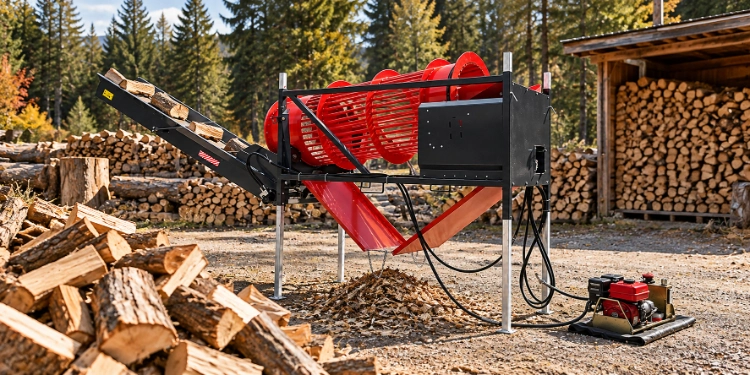
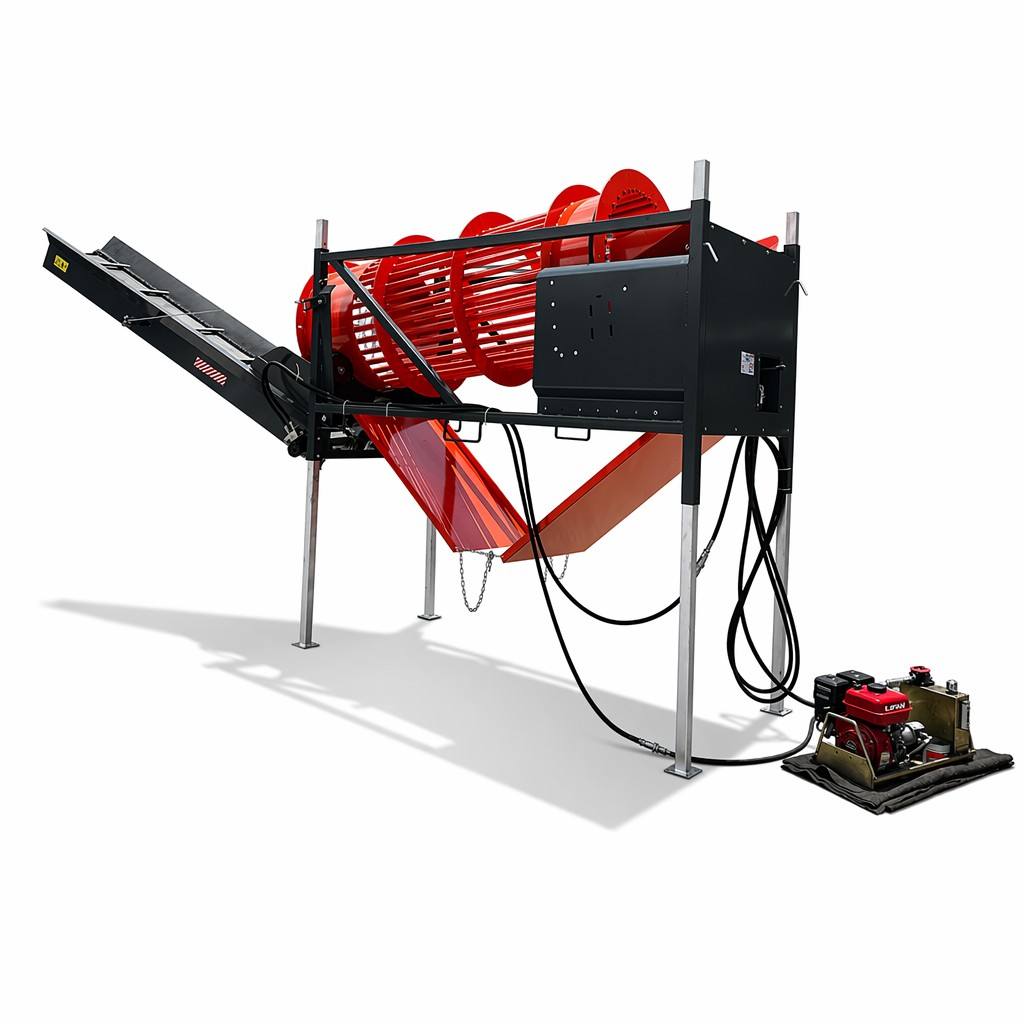
The Electric Firewood Screener 251018 uses an electrically powered screening system to remove items like loose bark, sawdust, dirt and small pieces of wood from split firewood.
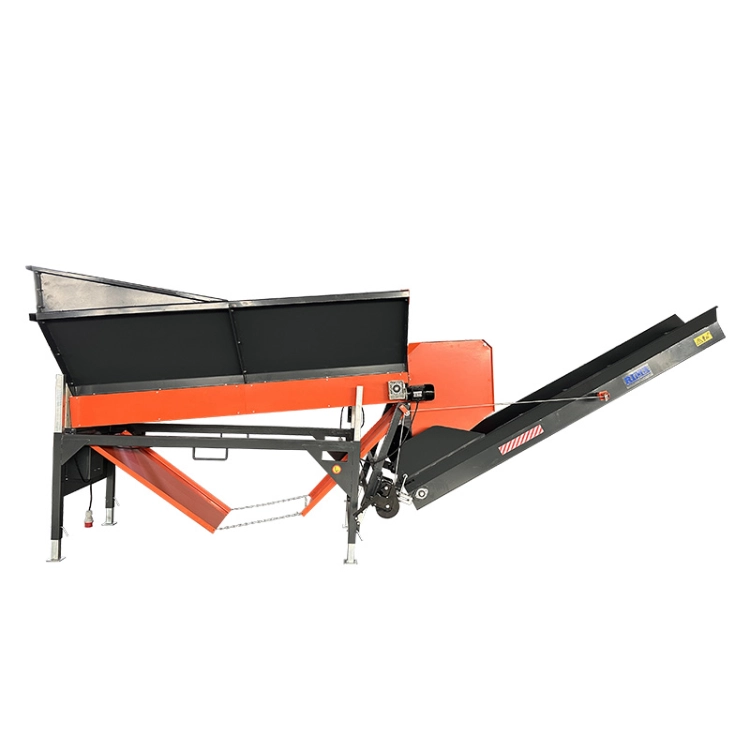
This section of the firewood processor measures 100.8″ long x 21.5″ wide, and contains 16 screening discs. As the firewood moves through the processing system, smaller loose pieces will separate from the larger logs.
The equipment is particularly suited to firewood shorter than approximately 19.7 inches. That makes it relevant to many common stove-length logs, although you should check your actual wood dimensions before choosing the machine.
Use Electric Power for Screening and Outfeed
251018 is equipped with separate 0.55 kW electric motors for screening and outfeed conveying. These parts are designed to complete their individual tasks.
Power is supplied in 2 configurations: 220V and 380V 3-phase 50Hz electricity. As opposed to a normal household socket, most household outlets do not have the required power to connect a screener. Thus, you must check for power capability prior to purchasing a screener.
For the average property with fixed power and a regular wood-processing area, the electric option can provide an acceptable solution. No hydraulics required on the tractor for this model.
Where Screening Fits Into Everyday Firewood Production
Screening debris does not necessarily have to become a major aspect of your firewood collection efforts. Identify the point in the process where removing debris will be of greatest value to you.
Screen Firewood After Splitting or Before Storage
Screening immediately after splitting the wood is a good idea, if you intend to keep fresh wood chips and bark out of your drying area. The cleaned-up logs can then be stacked in a covered, well-ventilated area.
The bark can come loose as the wood dries. So if you have stored firewood for several months, there may be more debris to cart around when you put it in baskets or bags.
Additional screening can be beneficial in this case. Firewood can be fed to the screening equipment from processing lines or from stored material which is transferred to the machine with suitable handling equipment. Dry firewood screening can still help remove bark and small fragments loosened during storage.
Remember, screening does not replace seasoning. Wood still requires sufficient time to dry, good airflow, and protection from the rain.
Move Screened Firewood With an Adjustable Conveyor
Once all the loose debris has been cleared from the logs, there has to be somewhere for the cleaned logs to go.
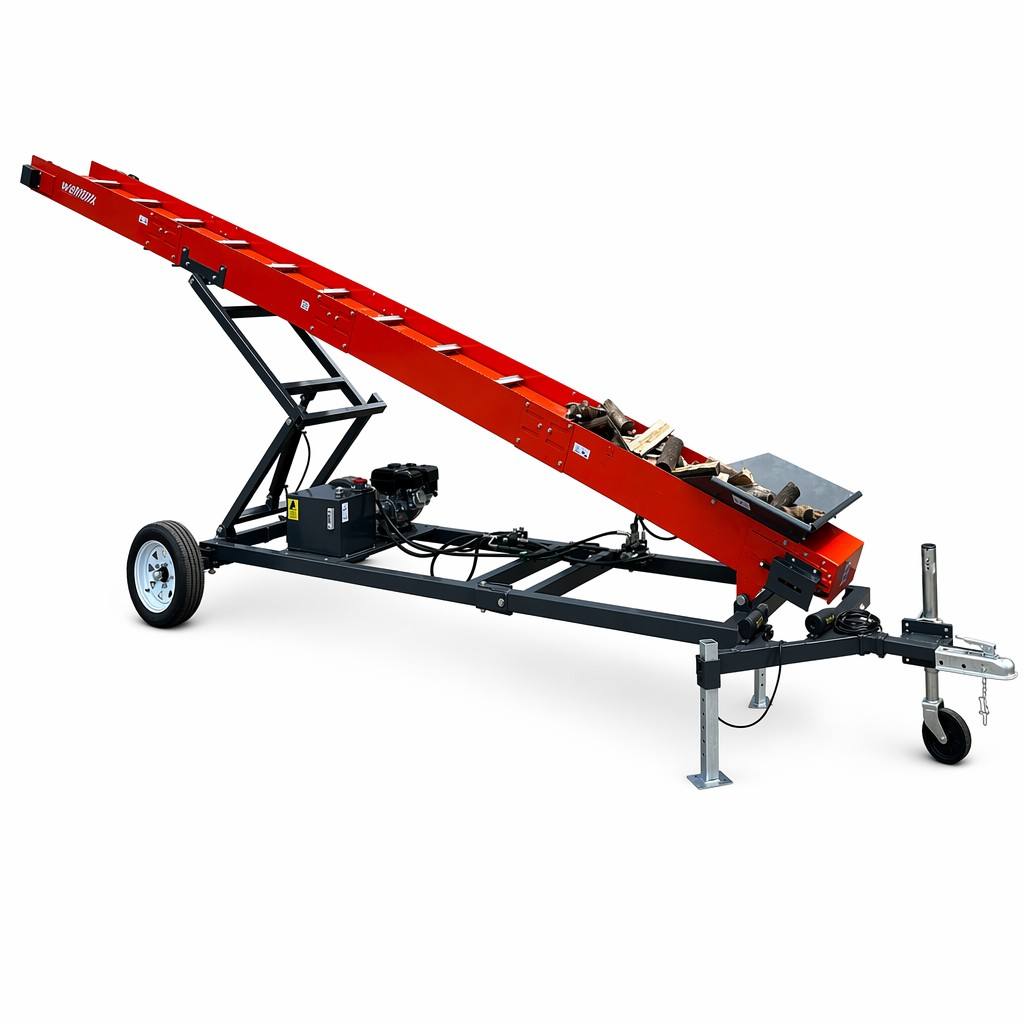
The 251018 has an outfeed conveyor. The outfeed conveyor is approximately 9.8 feet long and 16.5 inches wide. The outfeed conveyor can be set at an angle of 15 degrees in either direction. The outfeed conveyor also has an adjustable speed.
Outlets are typically positioned to direct discharge into suitable containers or storage areas. Consider the discharge height and surroundings prior to installation.
Placing a wood screener before the firewood conveyor can help keep loose debris out of the next handling stage.
What Makes a Firewood Screener Worth Adding to Your Yard?
You should select a machine to process the amount of firewood you prepare, and have space to put it. There is little need for a powered screener to process small quantities of wood which are split once a year.
Match the Machine to Your Firewood Size and Space
This is a large piece of equipment. Measuring 18.7 feet long by 4.9 feet wide with a conveyor the 251018 weighs in at approximately 2,150 lbs.
Measuring the space where the machine will be used, and how logs will enter the screening section, is essential prior to purchasing. Space must also be allowed for the receiving container for logs, for the resulting debris, for access and for maintenance.
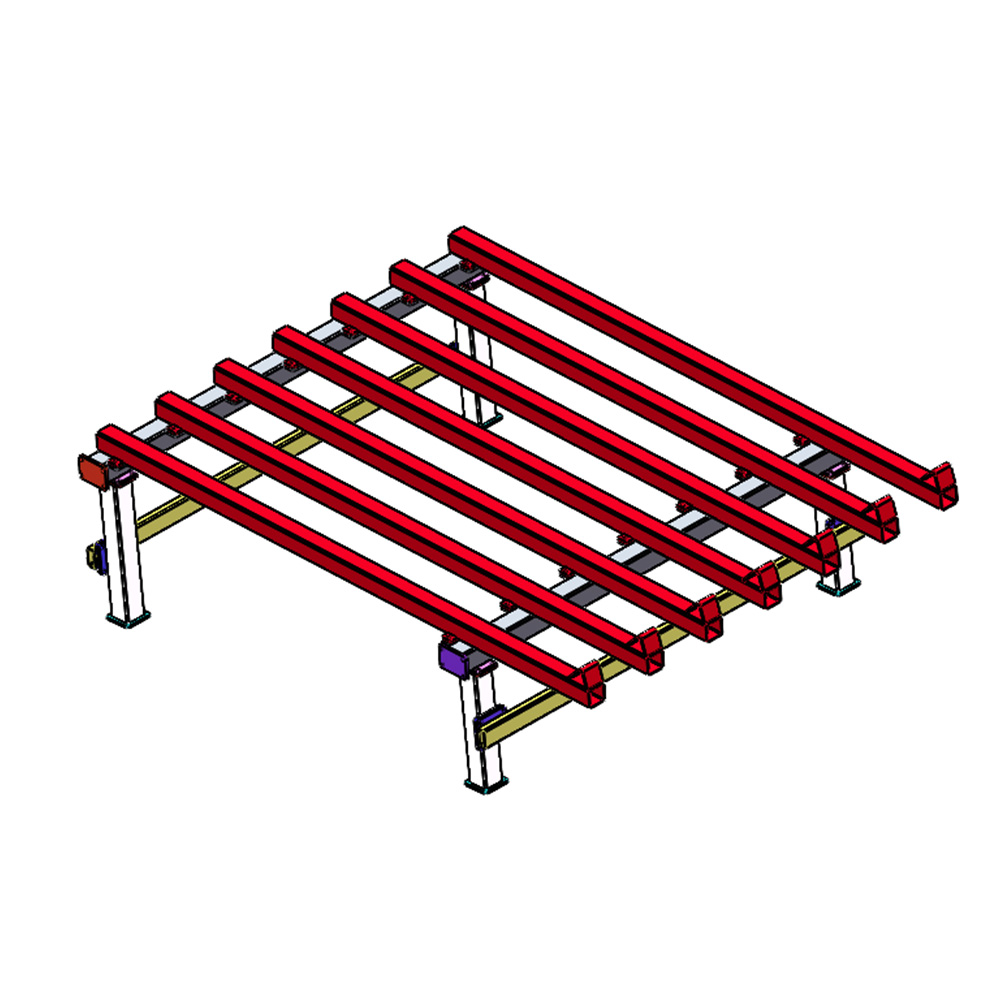
The adjustable stand height allows for considerable flexibility in how the unit is configured but a solid floor and sufficient clearance are still required.
You may consider investing in a powered screener if you have a large household wood supply, use equipment on various properties, or produce firewood for local customers and regularly process it.
Choose Equipment That Fits Your Existing Setup
Perhaps you already own a log splitter and have a method in place for drying and storing logs. A screener can help to enhance the existing system rather than cause problems.
RIMA produces machinery for the Forestry and Agricultural industries. Cut, split, convey or move wood with our wide range of equipment. RIMA’s Forestry Equipment can be used at any stage of wood preparation. The range can also be used to improve or complete an existing setup.
In addition to designing and manufacturing equipment, we conduct quality control and provide technical assistance. Our background in manufacturing and examples of applications for equipment at various properties can help you compare options.
When done correctly, screening can become a part of the normal firewood management process, between splitting and stacking.
Conclusion
A few flakes of bark in a load of firewood is no problem but every load brings a load of sawdust, dirt and small wood bits. A little extra cleaning up is required.
The Electric Firewood Screener 251018 allows you to remove loose debris from the firewood as it is being moved to store or collect. Ideal for large properties with plenty of split wood, it features an electric screening system and adjustable outfeed conveyor.
Screening still needs to be done to properly dry and store firewood, but this helps to keep loose debris out of the final pile of firewood.
We can help you choose the correct configuration, please refer to our equipment service and support page or contact our team to discuss your requirements in relation to firewood size, space available and electrical supply.
FAQ
What Does an Electric Firewood Screener Remove From Firewood?
An electric firewood screener removes loose bark, sawdust, small wood chips, dirt, etc. It removes much of the debris from your firewood load, but there will always be some small particles and some pieces of bark that are attached to the wood.
Can You Screen Firewood After It Has Already Dried?
Yes. Further bark and wood debris can become loose when firewood is dried and moved. Screening stored firewood can help to remove excess debris. It’s especially useful to do this before moving logs into newly cleaned firewood storage bins or when getting ready to deliver logs.
Does the Electric Firewood Screener 251018 Need a Tractor to Operate?
The 251018 uses electric motors to drive the screen and to convey product. It requires a three phase electrical supply and you must check the capability of the electrical supply at your property before ordering.
What Size Firewood Is Suitable for the 251018 Screener?
The Screening System is designed for splitting firewood that is shorter than approximately 19.7 inches in length. Check the typical length of your firewood and compare it with the equipment’s feed length to confirm suitability.
Does Screening Firewood Help It Dry Faster?
Clearing loose debris from a drying stack can keep it clean and help prevent small fragments getting lodged between logs. However, screening does not remove moisture from wood. As with any drying method, a correctly stacked, well ventilated, weather protected pile of wood needs to be allowed time to dry.




LEAVE A REPLY