



CONTACT US
HOME // BLOG // INDUSTRY BLOGS

INDUSTRY BLOGS

Gas vs Electric vs PTO: Which Wood Chipper for Sale Fits Your Job Site?

A Wood Chipper can make cleanup much easier, but only when the machine matches the way you actually work. Gas, electric, and PTO models are not just three power choices. They suit different sites, different crews, and different habits. A small garden beside a shed has very different needs from a farm track, an estate boundary, or a roadside cleanup after pruning season. Before price becomes the main question, it helps to look at where the chipper will work, how often it will move, and what branch size it will meet most days. For buyers who work with farm and forestry equipment, RIMA’s machinery range covers chipping, cutting, wood processing, stump grinding, sawmilling, and field maintenance. The brand is a good fit for users who need practical machines for real outdoor work, not just clean specification sheets. In that setting, the CS-150POWER is worth a closer look because it combines gasoline power, a mobile frame, and a branch capacity suited to heavier garden, farm, and light forestry jobs. What Should You Check Before Choosing a Chipper? A good buying decision usually starts with the material, not the machine. Look at the branches you handle most often, the place where the work happens, and how much debris you need to clear in a normal day. Those details tell you more than a long feature list. Branch Diameter Range Branch size is the first filter. Thin hedge cuttings and dry stems can be handled by a lighter unit. Thicker pruning waste is different. Once material sits close to a machine’s limit, feeding slows down, operators stop more often, and awkward forked limbs need extra cutting before they go into the hopper. The CS-150POWER handles branches up to 120 mm in diameter. That puts it in a useful range for estate maintenance, farm cleanup, landscaping work, and light forestry tasks. You get more capacity than a small garden unit without stepping into a much larger tractor-based setup. Power Access Power access often decides the machine type before anything else. Electric models make sense near a stable power source. PTO models suit sites where a tractor is already working. But if branches are scattered across open ground, around tree lines, or along a service road, gasoline power is often easier to live with. The CS-150POWER uses a 9 kW, 420 cc gasoline engine. In practical terms, that means you can move the machine toward the branch pile instead of dragging branches back toward a shed, generator, or tractor. Daily Debris Volume If chipping is occasional, a smaller unit may be enough. If you handle branches every week, small design details begin to matter. Feed opening, chute direction, tires, blade access, and startup method all affect the work pace. On a busy day, the small pauses are the ones operators remember. Why Does a Gas Wood Chipper Fit Mobile Outdoor Work Better? Gas machines are often chosen because they keep the job simple. No cable. No tractor. No waiting for a power source to be available. For crews moving around a property, that freedom can be more useful than it looks on paper. Independent Engine Operation The main benefit is that the machine carries its own power. CS-150POWER’s 4-stroke OHV gasoline engine gives steady output for branches that are rarely perfect. Real pruning waste often comes with bends, knots, wet bark, and uneven cuts. A machine used outside needs to deal with that kind of material without turning every branch into a separate preparation job. When buyers compare a Wood Chipper for different job sites, this independence is often what pushes them toward gas. It keeps the workflow simple, especially when the same crew may handle a garden in the morning and a farm boundary in the afternoon. Towable Site Mobility A chipper that is hard to move can slow the whole team. CS-150POWER uses pneumatic tires and a mobile frame, so it can be moved around gardens, estates, farms, and outdoor maintenance areas with less effort. This is not just about comfort. In many cleanup jobs, dragging branches takes longer than chipping them. A machine that can get closer to the debris pile cuts down on that back-and-forth work. It also helps when the ground is uneven or when the branch piles are not neatly placed in one area. Controlled Chip Discharge The 360° rotatable discharge chute is a practical feature for daily use. It lets you send chips into a trailer, container, mulch pile, or collection area without moving the whole machine every few minutes. That makes a difference near lawns, pathways, parked vehicles, or finished garden areas where cleanup after cleanup becomes another task. When Is an Electric Wood Chipper a Smarter Option? Electric models still have their place. For lighter work near a building, they can be easy to run and simple to store. The key is not to expect them to do the job of a heavier outdoor machine. Small Garden Cleanup If you mostly handle thin branches, dry stems, and light garden debris, electric power may be enough. It suits homeowners or maintenance teams working close to a shed, garage, or fixed power supply. Lower Noise Preference Electric units are often preferred in residential areas where noise matters. For short trimming jobs near homes, that can be useful, especially when the material is light and the work area is small. Fixed Power Supply The limit is movement. Long cable runs, damp ground, and thicker woody material can make electric machines less convenient. If your work moves across open land or includes heavier branches, a gasoline model such as CS-150POWER will usually be easier to place and use. When Does PTO Make Sense for Tractor Users? PTO chippers work best when a tractor is already part of the job. They are not automatically the better choice. They are the better choice when the site, operator, and tractor setup already fit that style of work. Existing Tractor Workflow If your tractor is already moving through the work area, PTO power can be efficient. You use the tractor engine instead of maintaining another engine, and the chipper becomes part of the farm routine. Farm and Estate Maintenance PTO models suit farm boundaries, orchards, woodland edges, and tractor-accessible areas. Before choosing one, check tractor horsepower, PTO speed, hitch type, turning space, and operator experience. A good PTO setup works well, but a mismatched one can be frustrating. Lower Separate Engine Ownership PTO can reduce separate engine maintenance, but it also ties the chipper to tractor availability. If the tractor is busy with another job, the chipper waits. If the work area is narrow, soft, or hard to reach, the tractor may limit access. A gasoline chipper is often easier when you need a stand-alone machine. How Should You Compare Real Job Site Costs?   img.The CS150 power wood chipper is a robust, petrol-driven machine engineered for heavy-duty garden, landscape, and light forestry work.webp Purchase price is only one part of the decision. Branch hauling, disposal fees, extra cutting, downtime, and service access can affect the real cost over time. A lower-priced chipper is not always cheaper if it adds labor to every job. CS-150POWER Data Specification Why It Matters Maximum Chopping Diameter 120 mm Handles thicker pruning waste with less pre-cutting Engine Power 9.0 kW Supports outdoor chipping under load Engine Displacement 420 cc Gives useful torque reserve for woody material Blade Speed 2000 min⁻¹ Helps turn branches into manageable chips Discharge Chute 360° Rotatable Makes chip placement easier Tires Pneumatic Tires Helps movement across changing ground Starting System Recoil and Electric Start Gives flexible startup options Number of Knives 2 Keeps blade service straightforward Hauling and Disposal Cost On-site chipping reduces bulky branch volume before transport. That can mean fewer trailer trips, cleaner work areas, and less manual loading. If chips are reused as mulch or ground cover, the waste becomes a useful site material instead of something to haul away. This is one reason contractors often prefer a mobile Wood Chipper for outdoor cleanup. Maintenance Access Outdoor machines deal with bark dust, mud, sap, and vibration. Easy service access matters. CS-150POWER is built with reachable service points for blade checks, belt tension, and routine care. This kind of detail is easy to overlook before purchase, but it matters after several weeks of use. Why Choose CS-150POWER for Your Next Purchase? The right machine should fit your workload. CS-150POWER is a practical choice when you need more capacity than a light garden chipper but do not want every job tied to tractor power. Professional Equipment Background Chipping often sits beside other work such as splitting, sawing, moving logs, and clearing land. That is why a wider equipment background can be helpful. You can also review the company’s case studies and factory visit records to see how buyers look at production, testing, and cooperation before larger orders. CS-150POWER Job Site Fit CS-150POWER suits garden maintenance, landscape management, estate cleanup, farm use, and light forestry work. Its 120 mm capacity, gasoline engine, mobile frame, hardened steel blades, and 360° discharge chute make it suitable for teams that process branches close to where they fall. Electric still works for small fixed jobs. PTO still works for tractor-based farms. For mobile outdoor cleanup, CS-150POWER sits in a useful middle ground. Service and Contact Support Good equipment selection starts with real site details: branch size, daily workload, transport method, chip discharge needs, and spare parts planning. The company’s service support covers quality checks, OEM/ODM options, one-to-one customer help, and technical guidance. If you are comparing setups, you can share your work conditions and ask for a recommendation based on how the machine will be used. Final Thoughts Choosing the right chipper is less about buying the biggest model and more about choosing the machine that fits your daily routine. Electric units fit light, fixed cleanup. PTO models fit tractor-based sites. Gasoline chippers fit outdoor jobs where branches are spread out and power access is limited. If your work involves regular cleanup, thicker pruning waste, and movement between different areas, CS-150POWER is worth comparing with other options. A good Wood Chipper should reduce handling time, keep debris under control, and make cleanup easier after the first few jobs, not only on the first day. FAQ Q: What size branches can the CS-150POWER Wood Chipper handle? A: It is designed for branches up to 120 mm in diameter, which fits substantial pruning waste, estate cleanup, farm maintenance, and light forestry work. Q: Should you choose gas, electric, or PTO for mobile landscaping work? A: Gas is usually the easier choice for mobile outdoor jobs because it does not need plug-in power or tractor support. Electric suits lighter fixed work, while PTO suits tractor-based operations. Q: Is CS-150POWER suitable for small residential garden use? A: It can be used for garden cleanup, but it is better suited to heavier garden maintenance, estate work, landscaping, farm cleanup, and light forestry tasks. For very small branches near a fixed power source, an electric unit may be enough. Q: What should you check before buying a gasoline chipper? A: Check branch diameter, engine power, feed opening, discharge direction, tire type, service access, and startup method. It is also worth checking how often the machine will move between work areas. Q: How can you choose the right setup? A: Share your branch size, daily workload, site layout, and transport needs before buying. That information helps match the machine to your actual working conditions.  
15th July 2026

How Can a Commercial Firewood Processor Cut Delays, Boost Output, and Handle Tough Logs?

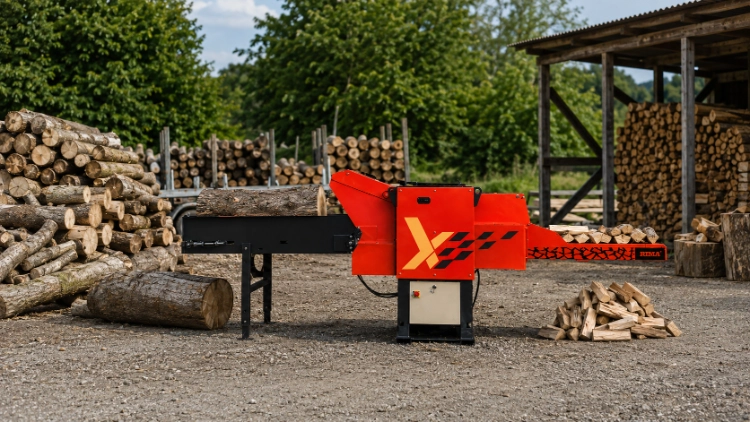
A Commercial Firewood Processor should do more than cut logs into smaller pieces. In a real firewood yard, the bigger question is whether your crew can keep logs moving, reduce hand lifting, and produce clean firewood without constant stops. Wet hardwood, uneven rounds, winter rush orders, and a full discharge area can all slow the day down. RIMA builds farm and forestry equipment for buyers who need dependable working machines, not decorative catalog items. Its product range covers firewood processors, sawmills, wood chippers, log handling tools, conveyors, and related forestry equipment. For commercial firewood producers, farms, contractors, and timber yards, RIMA is worth considering because it can match a processor, conveyor, and support plan to your log size, target output, and site layout. That kind of fit matters when every hour in peak season has a cost. Why Do Commercial Firewood Operations Lose Time Before Processing Starts? Slow Log Feeding Many buyers first look at cutting speed, but slow feeding often causes the bigger loss. If logs must be rolled, lifted, corrected, and lined up by hand, the machine may sit ready while the crew catches up. That wasted gap repeats all day. Commercial wood is rarely neat. Some logs are curved. Some are wet. Some carry knots that make feeding less smooth. A good processing line must deal with that normal mess without making the operator stop every few minutes. Manual Handling Pressure Hand lifting is not only tiring. It also changes the pace of the yard. When workers move heavy rounds again and again, output drops as the shift goes on. A small delay after lunch may not look serious, but by the end of the week it can mean fewer finished loads. That is why a firewood line should be judged as a full workflow: infeed, cutting, splitting, discharge, stacking, and loading. Uneven Finished Wood Firewood buyers often care about piece size. Stove wood, campsite bundles, restaurant firewood, and bulk delivery orders may need different dimensions. If the output is rough or uneven, your crew spends extra time sorting and rehandling. That is another delay that does not show up in a simple machine brochure. How Does a Commercial Firewood Processor Raise Daily Output? RX500G Processing Strength The RX500G is built for high-capacity firewood production. It is made for forestry businesses, farms, and commercial yards that need to turn raw logs into sale-ready firewood with fewer manual steps. A Commercial Firewood Processor becomes valuable when it reduces the number of times one piece of wood is touched. RX500G supports that goal through powered cutting, splitting, and sizing in one production path. RX500G Core Data RX500G Feature Verified Detail Why It Matters for Buyers Engine Choice 22 HP commercial V-Twin gasoline engine or 25 HP EFI V-Twin gasoline engine Lets you match power level to standard commercial use or heavier daily production EFI Commercial Option Electronic fuel injection with ECU-controlled engine management Helps improve fuel use, torque response, and operation in demanding work Hydraulic System Heavy-duty hydraulic force for large logs Reduces manual strain when handling hard, wet, or oversized timber Work Cycle Automated cutting and splitting cycle Cuts labor steps and helps raise daily output Splitting Blade High-strength Hardox horizontal X-Blade Produces cleaner, more regular firewood pieces for sale Firewood Size Range Adjustable from 15 × 15 mm to 150 × 150 mm Gives flexibility for stove wood, bundle wood, and bulk delivery needs Operator Control Powered, user-friendly controls Helps reduce fatigue and makes the machine easier to run for long shifts Line Integration Can work with infeed table, forestry winch, hydraulic rotator, and conveyor equipment Supports a more complete firewood handling line Fewer Repeated Tasks The key point is not only the engine or blade. It is the number of small jobs removed from the operator’s day. When feeding, cutting, splitting, and sizing follow a more controlled path, your crew spends less time correcting the same log twice. That is where real output gains usually come from. How Does RX500G Handle Tough Logs With Consistent Results? Heavy-Duty Hydraulic Force Tough logs slow weak machines. Dense hardwood, wet rounds, and knotted timber all need steady force. RX500G uses a heavy-duty hydraulic system to keep the process moving without asking workers to fight the log by hand. For a yard running paid orders, this matters. A slow split here and there may look small, but repeated hesitation can disturb the whole production rhythm. Horizontal X-Blade Performance The Hardox horizontal X-Blade is one of RX500G’s strongest selling points. It is designed for durable, precise, and consistent splitting in long-term commercial use. More even pieces are easier to dry, stack, bag, and sell. There is also a simple buyer-facing benefit: a clean pile looks more professional. When a customer sees consistent firewood, it gives the order a better finish before anyone talks about price. Adjustable Firewood Size RX500G can adjust firewood dimensions from 15 × 15 mm up to 150 × 150 mm. That range gives you room to serve different markets without changing the whole production setup. Smaller pieces may suit quick-burning uses, while larger pieces may fit bulk heating demand. This is where a Commercial Firewood Processor helps more than a basic splitter. It gives your business more control over the finished product, not just more cutting power. Why Pair RX500G With HC40G-HC60G-HC80G Firewood Conveyors? Clear Discharge Flow Even a strong processor can slow down if finished wood piles up at the exit. Once that area fills, someone has to stop and clear it. The processor waits, the operator waits, and the yard loses rhythm. The HC40G-HC60G-HC80G firewood conveyor series helps move split wood away from the machine and toward a pile, trailer, or truck. This keeps the discharge area cleaner and reduces hand clearing. Different Reach Options HC40G suits smaller yards or short discharge runs. HC60G gives more reach for taller piles or truck loading. HC80G fits larger sites where you want longer movement and higher stacking. When paired with RX500G, the conveyor is not just an add-on. It becomes part of the production line. The processor cuts and splits, while the conveyor keeps finished wood flowing away from the work zone. Better Yard Layout A small yard may need compact movement. A larger commercial site may need to build high piles or load trucks faster. Matching the processor with the right conveyor length helps keep workers out of the discharge area and reduces loader trips. That is often where the quiet savings happen. Fewer steps, fewer blocked exits, and fewer “move that pile first” moments. Which RX500G Setup Fits Your Yard and Order Volume? Small to Medium Firewood Yards If you sell local firewood or handle regular farm and property orders, RX500G with HC40G or HC60G can be a practical match. You get commercial cutting and splitting strength, plus enough conveyor reach to keep wood moving away from the machine. This setup can suit farms, rural contractors, and local firewood sellers who need steady output without building a large fixed production line. High-Volume Commercial Sites If your yard handles larger seasonal orders, RX500G with HC80G is the stronger choice. The longer conveyor helps move finished wood farther and higher, which can reduce pile management and short loader trips. During peak season, those small savings are easy to feel. A cleaner flow means fewer interruptions when the yard is full, the truck is waiting, and the weather is not helping. Site Planning Points Before choosing a setup, check your average log diameter, daily output target, preferred stacking method and so on. You can also look at RIMA’s real forestry applications to see how similar equipment works in actual job sites, then use its service support to confirm machine selection, setup details, spare parts, and after-sales needs. Why Contact RIMA for Firewood Processing Support? Practical Machine Matching A machine should fit how your yard actually works. That includes log size, crew size, power preference, finished wood size, stacking height, and transport needs. RIMA can help you compare RX500G with HC40G, HC60G, or HC80G so the processor and conveyor work as one line. Long-Term Production Value A Commercial Firewood Processor is a production tool, not a one-season purchase. The right setup can reduce delays, lower hand labor, improve firewood consistency, and help you meet peak-season demand with less stress. To discuss log size, output target, conveyor reach, and yard layout, you can reach the team through the contact channel. FAQ Q: What Makes a Commercial Firewood Processor Worth Buying? A: A Commercial Firewood Processor is worth buying when you need steady output, less hand labor, cleaner firewood size, and fewer stops during daily production. Q: Can a Commercial Firewood Processor Handle Tough Hardwood Logs? A: A Commercial Firewood Processor such as RX500G is built for demanding logs, using heavy-duty hydraulic force and a Hardox horizontal X-Blade to keep splitting more consistent. Q: Should You Pair a Conveyor With a Commercial Firewood Processor? A: A Commercial Firewood Processor works better with a conveyor when you need continuous discharge flow, easier stacking, and fewer pauses caused by finished wood piling up near the machine.  
9th July 2026

Portable Sawmill Service for Storm-Damaged Trees: How to Turn Fallen Logs Into Valuable Lumber

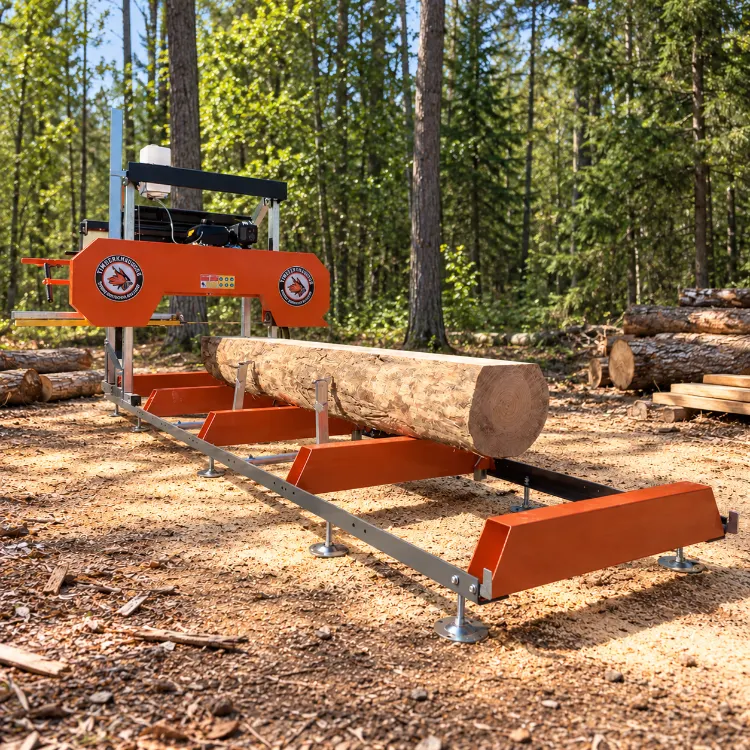
Cleaning up a property after a massive storm blows through usually leaves folks staring at a tangled, frustrating mess of heavy trunks and snapped branches. Paying a local crew to haul everything to the dump gets ridiculously expensive fast, and chopping a perfectly solid oak trunk into standard firewood rounds often feels like a massive waste of perfectly good material. A portable sawmill steps in right here to give those battered trees a totally different second life. Rather than dragging massive, muddy logs down the highway to a stationary commercial mill, you process that usable timber right near the spot it hit the dirt. People typically imagine all sorts of raw materials waiting to be plucked from trunks of trees—fence boards rough-cut from trees, lumber for a new tractor shed, workbench tops, live-edge slabs so highly prized. The goal of rural landowners, of farm managers, and of independent sawyers is to cut up those logs into straight, dry, usable boards to be used as building materials, to reduce the number of trips required to transport them and to reduce the wood that would otherwise be wasted. Why Does Portable Sawmill Matter After Storm Damage? Trees knocked down by severe weather almost never land in convenient, flat spots. They crash across back pastures, block gravel driveways, or smash down right behind agricultural buildings where a heavy truck simply cannot reach them. If you attempt to drag whole round logs out first and mill them weeks later, your operating costs shoot up way before a single board even gets cut. On-Site Log Recovery Running a portable sawmill makes the most sense when the timber is simply too good to run through a commercial chipper but way too heavy to move twice. Setting up the mill right near the fall site cuts out most annoying loading time and saves your utility trailer from taking a severe beating to a large extent. It literally saves the day when a property features tight gates or the ground is nothing but deep spring mud. Higher Lumber Value Logs dropped by high winds can still yield excellent lumber, provided you inspect and cut them before the bugs move in and deep decay takes over. Straight trunk sections easily turn into boards for fencing, raised garden beds, or general shop stock. The wider cuts might become thick slabs for custom dining tables and high-end counters. Faster Site Cleanup When you mill logs right there on the property, the whole cleanup operation gets much more organized. The property owner can then neatly stack flat boards instead of hoarding massive round logs that just sit there cracking, rotting, and attracting annoying powderpost beetles. It evolves into a smarter, cleaner way to manage ruined timber. How Can Fallen Logs Become Valuable Lumber? A profitable milling job actually starts well before the saw blade ever touches the bark. You have to figure out which logs are genuinely worth saving, decide exactly what dimensions to cut, and plan how the fresh boards will be stored after the sawing stops. Log Sorting and Inspection Not every downed tree belongs on a sawmill bed. Trunks with deep heart rot, severe twist, hidden embedded metal, or massive stress cracks will just waste your time and dull your expensive equipment. The best candidates have solid wood, a manageable girth, and decent usable length. Cutting Plan for Boards and Slabs The smartest cut always depends on what the wood will ultimately become. Basic fence boards require a totally different thickness and surface finish compared to a high-end live-edge tabletop. Farm repair jobs usually need practical, beefy dimensions like true two-by-fours, while custom woodworkers are constantly hunting for extra-wide slabs showing off the natural bark edge. Drying and Storage Preparation Freshly milled boards, often called green lumber, are nowhere near ready for building furniture. They desperately need stickers placed between each layer, plenty of airflow, a bit of shade, and total protection from ground moisture. Keep the foundation of the stack perfectly level, throw some heavy weight on the top layer to prevent cupping, and leave enough breathing room for the wind to do its job. What Should You Look For in a Portable Sawmill Service Setup? If you want to start offering milling services after bad weather rolls through, or if you simply want to buy your own machine to manage a farm or private woodlot, the equipment needs to meet a few strict criteria. The sawmill has to be easy to tow or carry, rock-solid while the blade is spinning, and quick enough to make processing each log actually worth the sweat. Cutting Capacity and Log Size: The RIMA RS18E Portable Sawmill stands out as a highly practical choice for small-scale storm timber recovery. It happily handles logs up to 18 inches in diameter and boasts a cutting capacity of 460 × 170 × 2780 mm. Narrow-Kerf Cutting Efficiency: The RS18E relies on a narrow-kerf band saw setup. If you compare it to a guy sweating over an Alaskan chainsaw mill, this band saw cuts up to 2 times faster while wasting about 66% less wood. Getting more usable lumber out of a single log creates significantly better value for the customer and leaves way less sawdust piled up in the yard. Factor   RS18E Portable Sawmill Data Why It Matters for Storm Logs Maximum Log Diameter 18 in / 460 mm Fits many fallen trees from farms, residential yards, and small woodlots. Cutting Capacity 460 × 170 × 2780 mm Highly useful for standard boards, structural beams, and shorter furniture slabs. Maximum Cutting Width 16 in Helps the operator produce wider boards from suitable hardwood logs. Standard Track Size 3600 × 607 mm Gives a very stable support base for regular daily milling jobs. Blade Size 3050 × 32 × 0.9 mm A narrow band saw blade helps reduce waste and speeds up the cut. Standard Power 4.0 kW, 220 V, 50 Hz, 3-phase Perfectly suited for a home workshop or fixed-yard environment. Optional Power 6.5 HP gasoline or 7 HP gasoline option A much better option for field work where finding a power outlet is impossible. Winch 1200 lbs Helps the operator lift and position heavy, awkward logs safely. Minimum Cutting Thickness 20 mm / 0.78 in Allows very practical and precise board thickness control. Machine Weight 176 / 200 kg Portable enough for small business operators, yet built heavy enough for serious cutting. Why Is the RIMA RS18E Portable Sawmill a Practical Choice? The RS18E is definitely not trying to compete with a million-dollar commercial mill facility. It provides a compact, tough machine that you can take straight to the fallen tree, use for actual and profitable lumber recovery. Compact Professional Performance RIMA manufactures farm and forestry equipment specifically for people who need tools that survive real field conditions, not just look pretty in a showroom. The RS18E fits perfectly for rural landowners, small-scale sawyers, farm workshops, and local service crews that require good daily output without dedicating half an acre to a fixed milling setup. Stable Power Options Your choice of power directly dictates where you can take jobs. The RS18E comes standard with a 4.0 kW electric motor for stationary use in a wired shop. However, the gasoline engine options make way more sense for outdoor milling where dragging a generator around is just a huge pain. Durable Structure and Easy Maintenance A seriously heavy-duty steel frame goes a long way in controlling annoying blade vibration during a tough cut. Standard, easy-to-find bearings, blades, belts, and common replacement parts make basic upkeep a breeze. How Can RIMA Support Your Portable Sawmill Service Project? Picking out a sawmill involves a lot more than just looking at the maximum blade size. You also desperately need solid customer support, reliable access to spare parts, and practical advice on the best setup for your specific local working conditions. Forestry Equipment Solutions RIMA offers a very wide forestry equipment line, meaning buyers can build a much fuller, more efficient workflow around milling, log dragging, firewood splitting, and general land maintenance. Product Service and Custom Support Whether you are stuck trying to decide between electric and gasoline configurations, calculating the exact track length you need, or planning your spare blade inventory, the service team is there to help match the RS18E to your personal work style. Contact for Sawmill Recommendations A storm-damaged tree definitely does not have to end up in a landfill or a fire pit. With the right portable sawmill service, those fallen logs can easily become beautiful boards, heavy slabs, and lumber with real, lasting use. To chat about your specific project needs, you can easily reach out to RIMA directly for some highly practical sawmill recommendations. FAQ Q: Is portable sawmill service worth it for storm-damaged trees? A: Absolutely, assuming the logs are sound, large enough to bother with, and physically accessible. A portable sawmill service turns those messy fallen logs into boards, slabs, or structural repair lumber, largely simplifying the tedious work of transporting whole logs to distant locations. Q: What size logs can the RS18E Portable Sawmill cut? A: The RS18E comfortably handles logs up to 18 inches in diameter, and it features a cutting capacity of 460 × 170 × 2780 mm. It is suitable for most types of farm hardwood, yard trees, and small woodland timber. Q: Should you choose electric or gasoline power for storm cleanup milling? A: Electric power is fantastic in a fixed yard or a home workshop where you have a rock-solid, stable power supply. Gasoline power, on the other hand, is vastly superior for field jobs, remote rural properties, and any mobile sawmill work where finding a plug-in power source is essentially impossible.  
1st July 2026

Why Is the RX500G Commercial Firewood Processor Turning Heads in Commercial Firewood Production?

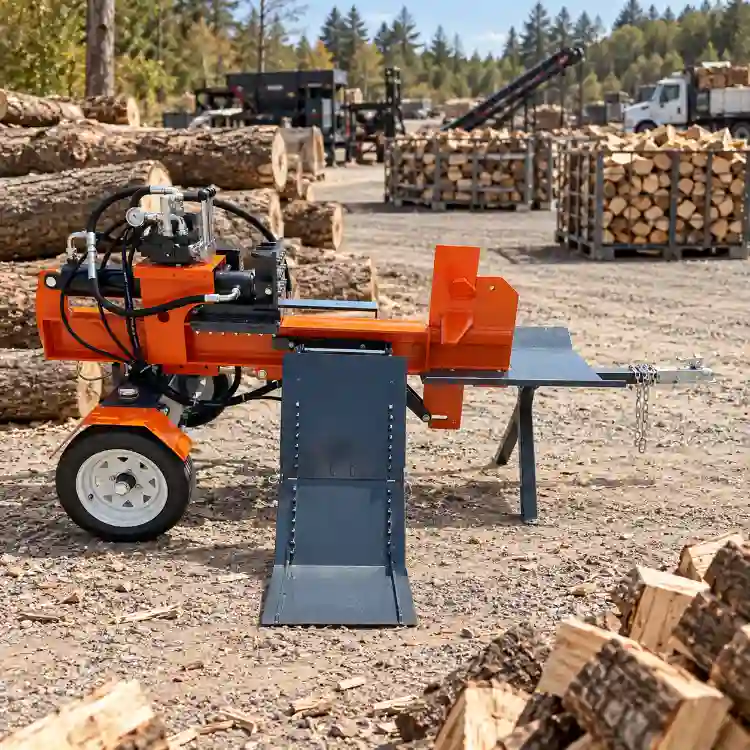
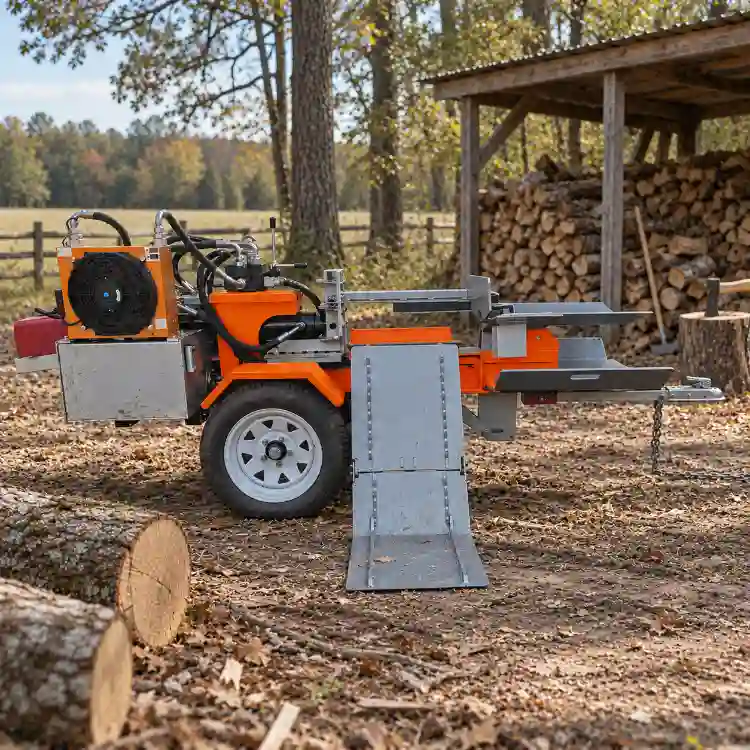
A Commercial Firewood Processor should not only split logs. It should help you cut labor, keep firewood size steady, move finished wood out quickly, and avoid the small delays that slow a yard down. That is why the RX500G firewood processor is getting attention from firewood yards, forestry contractors, timber businesses, and farms that need daily output instead of occasional splitting. RIMA focuses on farm and forestry machinery for practical work sites. Its range covers firewood processors, sawmills, wood chippers, tree cutting machines, stump grinders, conveyors, and timber handling tools. For dealers and importers, RIMA also supports OEM and ODM projects, quality checks, and after-sales service. That makes the company a good fit when you need equipment that can be used, serviced, and sold in real commercial markets. Why Is the RX500G Built Around Faster Firewood Flow? The strongest advantage of RX500G is its automated cutting and splitting flow. In commercial firewood work, speed does not come from one powerful part alone. It comes from fewer pauses between feeding, cutting, splitting, and clearing finished wood. Automated Cutting and Splitting Cycle With a manual setup, workers often cut logs first, move rounds by hand, split them later, and then clear the pile before the next batch. RX500G brings the main steps into one working process. The operator can keep feeding logs while the machine handles the cutting and splitting cycle. For a yard selling firewood by the truckload, this is the real upgrade. You get a steadier rhythm, fewer repeated movements, and a clearer daily production plan. Less Manual Handling Firewood work is hard on workers. Logs are heavy, wet, uneven, and often covered with bark and mud. RX500G uses powered controls and hydraulic handling to reduce hand labor. That helps your team work longer without the same level of fatigue. This point matters during peak season. When orders are packed close together, saved labor is not just a comfort issue. It can decide whether deliveries leave on time. Cleaner Production Rhythm A good Commercial Firewood Processor should be easy to run all day. RX500G gives the operator a simple rhythm: feed, cut, split, discharge, repeat. That makes training easier and keeps output more stable. Small problems still happen in any firewood yard. A crooked log. A knotty piece. A tight delivery window. The point is to stop those problems from slowing the whole yard down. What RX500G Features Matter Most for Commercial Buyers? A firewood processor should be judged by the work it removes from your crew. RX500G is built around power, hydraulic force, consistent splitting, and adjustable output size. RX500G Core Feature Table RX500G Feature Product Detail Why It Matters for You Engine Options 22 HP standard commercial V-Twin gasoline engine or 25 HP EFI V-Twin gasoline engine Lets you choose the right setup for regular or higher-intensity production Hydraulic System Heavy-duty hydraulic force for large and difficult logs Reduces manual strain and keeps the cycle moving Automated Cycle Automatic cutting and splitting process Cuts repeated handling and helps raise daily output X-Blade Splitting High-strength horizontal X-blade design Produces more uniform, market-ready firewood Adjustable Size 15 × 15 mm to 150 × 150 mm Fits different firewood markets, from small packed wood to larger heating pieces Powered Controls User-friendly powered operation Helps reduce operator fatigue and workplace strain Commercial Engine Options RX500G gives you two engine choices. The 22 HP setup is suitable for reliable daily commercial use. The 25 HP EFI setup is better for heavier use when you need stronger response, better fuel control, and easier diagnostics. The right choice depends on your workload. If you process mixed timber often, the higher configuration gives more room. If your production is steady but not extreme, the standard setup may already be enough. Heavy-Duty Hydraulic Force A yard rarely processes perfect logs all day. Some pieces are knotty. Some are oversized. Some have uneven grain. RX500G uses strong hydraulic force to handle these harder pieces with less manual correction. This keeps the machine working at a steadier pace. Your operator does not need to stop as often to reposition wood or deal with half-split logs. X-Blade Splitting Quality The horizontal X-blade is one of the key RX500G selling points. It helps create more uniform firewood, which matters if you sell to regular buyers. Uneven pieces are harder to bag, stack, price, and deliver cleanly. Better splitting also reduces rework. That means fewer large pieces pulled from the pile and run through again. How Does This Commercial Firewood Processor Improve Finished Firewood Quality? Firewood buyers do not only care about volume. They also notice whether the pieces are clean, even, and easy to stack. RX500G helps you make a better-looking finished product with less sorting. Adjustable Firewood Sizes Different customers want different wood sizes. Home heating buyers may prefer larger pieces. Retail bags often need smaller, more even firewood. Food service buyers may want cleaner pieces that burn in a more controlled way. RX500G can adjust firewood dimensions from 15 × 15 mm up to 150 × 150 mm. This gives your yard more flexibility without needing a separate machine for every order type. More Uniform Splitting Uniform splitting saves time after processing. Your workers spend less time sorting out bad pieces. Your finished pile also looks more professional. This matters for repeat customers. When every load looks close to the last one, buyers trust your supply more. Lower Rework Time Bad splits waste time. A worker has to pick out the oversized pieces, split them again, or finish them by hand. RX500G reduces that kind of rework by combining hydraulic force with a steady blade design. It is not a flashy benefit, but operators notice it quickly. Less rework means more finished firewood at the end of the day. Why Pair RX500G with conveyor belts(HC40G-HC60G-HC80G)? RX500G handles the main cutting and splitting work, but the discharge side still matters. If finished firewood piles up under the machine, your operator loses time clearing the area. Pairing RX500G with conveyor belts(HC40G-HC60G-HC80G) helps move wood away from the processor and keeps the yard cleaner. Smoother Discharge Flow A conveyor belt moves finished firewood directly to a pile, trailer, truck, or storage area. That reduces shovel work and keeps the operator focused on feeding the processor. For a Commercial Firewood Processor setup, this is important. The goal is not only to split faster. The goal is to remove finished wood before it becomes another bottleneck. Better Site Layout The conveyor belts(HC40G-HC60G-HC80G)give you different length choices for different yards. A smaller site may only need a shorter conveyor for basic stacking. A larger yard may need more reach for high piles or truck loading. This lets you plan the firewood line around your real site, not the other way around. Easier Stacking and Loading A conveyor helps build cleaner piles and makes loading easier. It also reduces scattered wood around the processor. That cuts cleanup time at the end of the day. Nobody talks much about cleanup when buying a machine, but every yard crew knows it can steal a lot of time. What Should You Check Before Choosing RX500G? RX500G is a strong fit for commercial work, but the best setup depends on your logs, your staff, and your site layout. Daily Production Needs If you only process firewood a few times per month, a smaller machine may be enough. If you sell firewood through the season, serve repeat buyers, or need truckload output, RX500G makes more sense. Its main value is steady production. That is what separates it from a basic splitter. Log Type and Final Size Check your common log size and wood type before choosing a setup. Harder wood, mixed diameters, and knotty timber need stronger hydraulic performance. If your customers ask for different firewood sizes, RX500G’s adjustable output range becomes a real advantage. Service and Support A machine used for commercial production needs support after delivery. RIMA offers service support for buyers who care about long-term operation, parts, and equipment use. You can also look at RIMA’s project experience when planning a full firewood production line. Why Work with RIMA for RX500G Firewood Processing? The right machine saves labor. The right supplier saves trouble. RIMA builds forestry equipment for buyers who want durable machinery, practical support, and flexible supply options. One-Stop Forestry Equipment Supply RIMA can supply more than RX500G. Its forestry range includes processors, conveyors, sawmills, chippers, splitters, and timber handling equipment. That helps if you want one supplier for a full firewood workflow. OEM and ODM Flexibility Dealers and importers often need custom details. Engine setup, local market preference, packaging, and equipment matching can all affect sales. RIMA supports OEM and ODM work, making RX500G easier to fit into different markets. Direct Configuration Advice If your next Commercial Firewood Processor needs to cut labor, produce cleaner firewood, and keep finished wood moving, RX500G is worth a close look. The best setup is usually RX500G plus the right conveyor length, not the processor alone. To discuss the right configuration, you can contact RIMA with your log size, daily output target, and loading method. FAQ Q: Is RX500G a Good Commercial Firewood Processor for Daily Production? A: Yes. RX500G is designed for commercial firewood producers, farms, forestry contractors, and timber businesses that need steady cutting, splitting, and sizing through the working day. Q: What Is the Most Important RX500G Feature? A: The automated cutting and splitting cycle is the most important feature. It reduces manual handling, keeps the work rhythm steady, and helps turn raw logs into finished firewood faster. Q: Should RX500G Be Used with conveyor belts(HC40G-HC60G-HC80G)? A: Yes, especially for commercial yards. conveyor belts(HC40G-HC60G-HC80G)help move finished firewood away from RX500G, reduce cleanup, and make stacking or truck loading easier.  
24th June 2026

How to Prevent Feed Jams on a Portable Commercial Wood Processor with a Live Deck

In a firewood yard, splitting force gets a lot of attention. Fair enough. But after a few hours of real work, most operators care just as much about feeding. If logs keep twisting, stopping, or backing up near the saw, a powerful machine still feels slow. A Portable Commercial Wood Processor needs to do more than split hard wood. It should handle uneven logs, hold them steady, cut cleanly, split without crowding the chamber, and move finished firewood away before the next piece arrives. RIMA builds farm and forestry machinery for practical yard work, including firewood processors, sawmills, wood chippers, tree cutting machines, and stump grinders. The RM500 PLUS-ECO(N/A) is designed for commercial firewood production with chain feeding, a fixed log table, hydraulic clamping, a Honda GX630 gasoline engine, and a layout that suits mobile jobs as well as fixed firewood yards. Why Do Feed Jams Start on a Live Deck? Feed jams often begin before cutting starts, when crooked logs, rushed loading, and poor alignment disturb the whole processing rhythm. Crooked Logs Create Side Pressure A live deck can save labor, but it does not make bad logs disappear. Most feed jams begin before the saw bar touches the wood. Crooked stems, forked sections, wide butt ends, and rough bark can all make a log enter the feed path at the wrong angle. Once the log twists sideways, the feed chain has to pull against shape resistance instead of simply carrying the log forward. That is when operators start stopping the machine, resetting the log, or pulling material back by hand. Rushed Loading Breaks the Feed Rhythm Log placement also matters. If workers load the first layer too quickly, one log may press against another and create side pressure. The machine may still have enough power to move it, but the feed rhythm becomes uneven. Feeding too fast can cause the same issue. The next section should not move forward before the saw has cut cleanly, the clamp has released, the wedge has returned, and split wood has started moving toward the conveyor. The RM500 PLUS-ECO(N/A) has an 11-second cycle time, so the best output usually comes from matching the machine’s rhythm instead of forcing every log through as fast as possible. How Does the RM500 PLUS-ECO(N/A) Help Logs Move Better? Better log movement comes from stable feeding, firm control, enough engine power, and a frame built for real work sites. Fixed Table and Chain Feeding Keep Logs Aligned The RM500 PLUS-ECO(N/A) is built around a more controlled feed path. Its log table is bolted firmly to the processor, which helps keep the feed direction stable during work. This matters on farms, forest yards, and temporary cutting sites where the ground may not be perfectly flat. A loose or poorly aligned table can make the whole machine feel harder to run. Logs may enter slightly off line, and the operator may not notice the problem until jams keep happening near the saw or clamp. A fixed log table reduces that risk and makes setup more predictable after transport. The hydraulic chain feeding platform is another key part of the design. The machine uses a 2730 x 400 mm hydraulic chain feeding platform with three table chains. Instead of relying on workers to push or roll heavy logs by hand, the chain system pulls logs forward in a more controlled direction. This reduces sudden sliding and helps the saw receive the log in a cleaner position. Honda GX630 Power Supports Steady Processing The engine also deserves more attention here. The RM500 PLUS-ECO(N/A) uses the Honda GX630 as its standard engine. The Honda GX630 20HP is a premium 688cc, air-cooled 4-stroke OHV V-Twin commercial engine. Honda V-twin engines offer high horsepower, great adaptability, quiet operation, and excellent fuel efficiency. Delivering 20.8 horsepower (15.5 kW) at 3,600 RPM, it is widely used in high-demand industrial equipment. For a firewood processor, this matters because stable engine output supports the hydraulic system, saw performance, and repeated operating cycles. Feed jams are not only about the deck. They are also about whether the machine can keep cutting, clamping, splitting, and conveying without feeling weak under mixed timber. Log Lift and Axle Design Improve Real-Site Use For heavier timber, the optional log lift can improve feeding. It helps raise logs and guide them toward the feed opening with less manual handling. That means less rushed loading, fewer dropped logs, and less twisting on the deck. The upgraded heavy-duty torsion-damping axle also supports real yard use. A portable machine often travels across uneven ground, gravel roads, farms, and job sites. A stronger torsion-damping axle helps the processor handle transport and rougher working conditions with better stability, which is important for buyers who move equipment between locations. Which Machine Features Reduce Feed Jams? A strong feed system works best when the clamp, wedge, saw, and conveyor all support smooth material flow. Four-Way Hydraulic Clamp Holds Logs Before Cutting Several RM500 PLUS-ECO(N/A) features work together to reduce feed problems. The four-way adjustable hydraulic clamp is one of the most important. A log that moves during cutting can pinch the saw bar, roll into the splitting chamber, or leave an uneven cut. The hydraulic clamp comes with four-way adjustment and a safety valve in the ram, helping it hold the log with a stronger, safer grab. Once the log is held firmly, the saw cut is cleaner and the following split is less likely to jam. Lower-Mounted Wedge and Conveyor Keep the Chamber Clear The lower-mounted hydraulic wedge also helps. Because the wedge is positioned lower, it reduces the chance of logs hitting the hydraulic push rod during operation. This keeps the splitting path clearer and lowers the chance of awkward blockages around the wedge area. After splitting, the standard 3.2 m firewood conveyor with a 250 mm belt moves finished firewood away from the working area. This prevents cut pieces from crowding the chamber while the next log is already being fed. RM500 PLUS-ECO(N/A) Key Specifications and Practical Value Specifications matter when they explain daily work: power, feeding control, hydraulic stability, mobility, and output consistency. Core Power and Cutting Data Item RM500 PLUS-ECO(N/A) Data Why It Matters Standard engine Honda GX630 20HP gasoline engine, 688cc air-cooled 4-stroke OHV V-Twin, electric start Delivers reliable V-Twin commercial power for repeated cutting, splitting, and hydraulic operation Max splitting force 45 tons Handles dense hardwood with fewer repeat splits Max log diameter 500 mm Fits many commercial firewood jobs Max log length 500 mm Supports common firewood cutting sizes Work efficiency 8 m³/h Gives buyers a clear output reference Cycle time 11 seconds Helps operators build a steady feed-cut-split rhythm Oil tank 50 L Seperate bigger oil tank ,makes good heat dissipation Feeding, Hydraulic, and Mobility Data Item RM500 PLUS-ECO(N/A) Data Why It Matters Hydraulic chain feeding 2730 x 400 mm, 3 table chains Guides logs forward with better control Hydraulic clamp Four-way adjustment, safety valve in ram Gives a powerful grab and reduces rolling during cutting Saw system 24-inch harvester saw bar, .404 saw chain Suits heavy cutting work Knife 6-way splitting knife Improves splitting output for suitable log sizes Conveyor 3.2 m length, 250 mm belt width Moves split wood away from the chamber Hydraulic system 48 L/min two-stage pump, 20 MPa pressure Supports stable feeding, clamping, and splitting Axle Upgraded heavy-duty torsion-damping axle Helps with transport and rough-site mobility Wheels and traction 2 × 205/75R15 tires, 50 mm traction ball Better fit for mobile firewood processing work What Operator Habits Keep the Feed Path Clear? Even a capable wood processor works better when operators sort bad logs, watch the full flow, and clear debris early. Sort Problem Logs Before They Reach the Saw A strong processor still needs sensible operation. The fastest crew is usually not the one forcing every bad log through the machine. It is the crew that keeps the feed path clean and steady. Bad logs should be handled before they reach the saw. Very crooked, muddy, forked, or oversized logs may slow the whole line. Trimming them first can be faster than fighting them inside the processor. Watch the Full Material Flow Operators should also watch the full material flow. Do not only look at the log entering the saw. Check whether the clamp releases cleanly, whether the wedge returns, whether split wood clears the conveyor, and whether bark is building up near the table chain. Daily checks are simple but important. A dull saw chain cuts slowly and can pull unevenly. Low or dirty hydraulic oil can make the clamp, feed chain, or wedge respond less smoothly. Bark, chips, mud, and small offcuts should be cleared during breaks instead of waiting until the end of the day. Why Choose RIMA for a Portable Commercial Wood Processor? The right processor should fit the yard’s real workflow, not just look powerful on a specification sheet. RIMA Focuses on Practical Forestry Machinery Choosing a wood processor is not just about buying the highest splitting force. It is about matching the machine to how the yard really works: log size, crew size, loading method, transport needs, firewood length, and daily output. RIMA focuses on farm and forestry equipment and provides one-stop solutions for global customers. Its product range covers firewood processors, sawmills, wood chippers, tree cutting machines, stump grinders, and related machinery. The company also supports OEM and ODM services for customers in Europe and North America, with product upgrades based on user feedback. RM500 PLUS-ECO(N/A) Fits Commercial Firewood Work For buyers comparing portable commercial wood processors, the RM500 PLUS-ECO(N/A) has several practical strengths. It combines a Honda GX630 commercial V-Twin engine, 45 tons of splitting force, chain feeding, hydraulic clamping, a lower-mounted wedge, standard conveyor, hydraulic oil cooling, highway trailer tires, and an upgraded heavy-duty torsion-damping axle. That mix is important. The machine is not only built to split tough logs. It is built to keep logs moving, hold them securely, reduce chamber crowding, and support mobile firewood production with fewer small interruptions through the workday. FAQs Q: What Causes Feed Jams on a Portable Commercial Wood Processor with a Live Deck? A: Most feed jams come from crooked logs, poor deck loading, rushed feeding, dull saw parts, weak clamping, or debris around the chain feed and conveyor. Q: Why Is the Honda GX630 Important on the RM500 PLUS-ECO(N/A)? A: The Honda GX630 gives the machine a commercial V-Twin power source with strong output, quieter operation, good fuel efficiency, and wide use in demanding industrial equipment. Q: Is the RM500 PLUS-ECO(N/A) Suitable for Commercial Firewood Production? A: Yes. It has 45 tons of splitting force, 500 mm maximum log diameter, 8 m³/h work efficiency, hydraulic chain feeding, four-way hydraulic clamping, and a 3.2 m conveyor.  
17th June 2026

Portable Sawmill Buying Guide: What to Check Before Cutting Your Own Lumber

Investing in a portable sawmill changes the economics of raw timber. Instead of buying every board at retail prices, you can convert properly selected logs into usable lumber directly on your property. Without a clear checklist, buyers often buy capacity in the wrong place: too little throat size for local hardwood, too short a track for beams, or too much hydraulic complexity for occasional use. When choosing a portable sawmill, it is important to work with a manufacturer experienced in forestry machinery and demanding outdoor applications. That is where RIMA comes in. The company focuses on heavy farm and forestry equipment, helping buyers match machines, parts, and technical support to real field applications. RIMA’s engineering team refines its heavy-duty designs based on field feedback from operators working in muddy yards, uneven woodland access roads, and high-load cutting conditions. In this guide, the RS36G-Deluxe is used as a reference model to show what buyers should check before choosing a Portable Sawmill. Log Capacity And Track Dimensions When large logs arrive at the mill bed, the first question is not horsepower. It is whether the machine can accept the log safely and still leave enough room for clamping, blade travel, and stable cutting. A high-capacity sawmill can reduce the need for pre-trimming when the log is within the machine’s rated diameter and properly prepared. Maximum Log Diameter Limits Throat capacity is the first hard limit in sawmill selection. If the log exceeds the rated opening, no engine upgrade can compensate for that mismatch. Stepping up to a 36-inch diameter capacity keeps you from walking away from premium old-growth hardwood logs. The RS36G is rated for logs up to 36 inches in diameter and can process wide slabs when the log is correctly positioned and secured. Maximum Cutting Length Capabilities Track length matters when your work moves beyond short boards into beams, slabs, cabin materials, or custom structural pieces. The featured 36-inch model gives you nearly 188 inches of actual cutting capacity out of the box. The 236.2 × 39.8 inch standard track supports a cutting capacity of about 188 inches, so custom lengths should stay within the rated cutting range or require an appropriate extension setup. Bed Frame Structural Stability Heavy logs place significant load on the sawmill bed and frame during loading. Light-duty stamped frames may deform over time under repeated loading, turning, and clamping pressure. You want a premium quality welded steel frame to absorb the shock. The 4-frame / 4-post structure helps improve cutting stability and reduce the risk of deflection, which supports more consistent board quality. Specification Standard Entry Mill RS36G-Deluxe Hydraulic Mill Max Log Diameter 26 inches 36 inches Cutting Length 110 inches 188 inches Blade Wheel Diameter 18.8 inches 20.0 inches Power Options And Engine Performance Once the log sits tight on the deck, you need raw torque to push a band blade through solid grain. Gasoline Engine Horsepower Ratings Processing wide slabs requires stable power output and enough usable torque to maintain blade speed through dense grain. A 27HP heavy-duty gasoline engine with electric start provides the sustained push to slice right through hard knots. Lower-powered engines may require a slower feed rate, especially when cutting dense hardwood or wide slabs. A 764cc engine displacement helps the mill maintain cutting momentum during long passes, especially when working with dense hardwood or wider slabs. Electric Motor Alternative Configurations For fixed workshop milling, a three-phase electric configuration is often selected for air quality, lower noise, and reduced gasoline-engine maintenance. The electric version of the RS36G features a 14.8 HP, 400V power that cuts out exhaust fumes and dampens the noise. This setup reduces gasoline-engine maintenance requirements and is more suitable for indoor or fixed workshop environments. Torque Transfer Efficiency Systems Engine power should be supported by reliable power transmission and stable saw head control. Reliable sawmills use heavy-duty components and powered saw head controls. This flagship model lets you quickly move the saw head up, down, forward, and reverse mechanically. This direct control transfers energy smoothly, giving you a cleaner cut surface. Manual Versus Hydraulic Log Handling Turning a massive wet log by hand drains your energy fast. Wrestling timber with manual cant hooks just wears you out. Physical Labor During Manual Milling After five hours of rolling logs in the mud, operator fatigue sets in, feed rates drop, and safety risks spike. Anyone who has pinched a finger under a shifting log knows this reality all too well. Hydraulic Log Turner Efficiency Gains Hydraulic handling reduces repetitive manual work, shortens log positioning time, and helps operators maintain steadier output over a full cutting day. The hydraulic steel log turner helps rotate heavy logs within the machine’s rated operating range with less manual effort. Hydraulic roller toe boards, such as those on the RS36G-Deluxe, help level the log and position the cut line more accurately before each pass. The integrated hydraulic lifter is rated up to 4409 lbs, helping reduce manual loading work and improve handling efficiency under suitable operating conditions. Heavy-Duty Automated Clamping Mechanisms When the blade meets a dense knot, the log can shift if it is not clamped firmly enough. Two sets of hydraulic log clamps and adjustable side supports lock the wood down tight. They stabilize the material against intense cutting forces. The hydraulic clamps and side supports help stabilize the log during sawing, improving cut consistency and reducing material movement. Blade Dynamics And Cutting Precision The engine provides the push, but the blade dictates the final finish of your lumber. Carbide-Tipped Band Wheel Alignment Integrity Large 20-inch blade wheels significantly reduce the bending stress on the metal band. When paired with a massive 181-inch blade featuring 209 carbide teeth, this rigid tracking keeps your cuts accurate. Larger blade wheels can reduce bending stress on the blade, which may support longer blade life when the blade is properly tensioned and maintained. Automatic Blade Lubrication System Application Cutting through sticky softwoods like pine causes fast pitch buildup. An automatic blade lubrication system applies fluid directly to the cutting surface. Found built right into the RS36G-Deluxe, this automatic blade lubrication system on the RS36G helps reduce friction and pitch buildup, supporting steadier cutting performance; final cut quality still depends on blade condition, feed rate, and wood type. Adjustable Blade Guide Configuration Controls You want the guide as close to the wood as possible. An adjustable blade guide reduces the exposed span of the band. Moving the guide closer minimizes flutter. This adjustment helps reduce blade flutter and supports more consistent board thickness, especially during wider or harder cuts. Mobility And Site Adaptability Factors Mobility matters when your logs are located away from the main work area. A portable sawmill should be easy to tow, level, and stabilize before cutting begins. You have to move it safely. Trailer Axle And Torsion Suspension Quality For true off-grid work, your setup needs a heavy steel sub-frame. Highway-rated 195/60R14 tires, proper fenders, trailer lights, and a 2-inch ball coupler make the RS36G-Deluxe suitable for transport to remote job sites when local towing rules are followed. The suspension system helps reduce vibration during transport on uneven access roads. Leveling Jack Ground Stabilization Methods Forest floors are rarely flat. Setting up on a muddy slope requires solid outriggers. Six heavily rated 3000 lbs support jacks let you stabilize and precisely level the entire 20-foot bed frame before you start cutting. A properly leveled base helps reduce track movement and supports stable cutting under heavy timber loads. Compact Layout Options For Workshop Storage If you mill seasonally, space becomes valuable. A smart design balances heavy-duty cutting power with a footprint that stores neatly. With trailer lights and a 2-inch ball coupler, the machine can be moved and stored in a suitable covered area when space, floor strength, and access allow. Task Manual Handling RS36G-Deluxe Hydraulic Handling Loading a 30-inch log 5 to 10 minutes Under 30 seconds Turning for the next cut 3 to 6 minutes Under 15 seconds Daily Operator Fatigue High Very Low Premium Portable Sawmill Solutions For Your Project Taken together, these specifications indicate a mill designed for demanding commercial cutting, frequent log handling, and buyers who need more than occasional backyard sawing. High Performance Of The RS36G-Deluxe System When you want to stop wrestling logs and start producing real timber, a hydraulic setup like the RS36G is a strong option for buyers who need higher log-handling efficiency and reduced manual labor.You can review similar successful setups through their case portfolio to see how commercial operators run these hydraulic machines day in and day out. Customized Manufacturing Service Options For distributors, buying off the shelf is rarely enough. The brand offers dedicated service platforms to manage technical modifications. They provide OEM and ODM services and can discuss technical modifications or certification requirements for different regional markets. Direct Sourcing Contact Channels Before choosing a final configuration, confirm log size, wood species, required cutting length, site access, power supply, and expected daily output with the manufacturer. Contact the manufacturer directly to confirm specifications, configuration options, pricing, and project requirements. FAQ Q: What is the main advantage of a Portable Sawmill over a chainsaw mill? A: A chainsaw mill can be affected by chain movement and a wider kerf, which may reduce lumber yield and create more sawdust waste. A portable bandsaw mill uses a track and blade guide system to improve blade tracking and cutting stability. You can usually produce flatter, more consistent boards more efficiently than with a basic chainsaw milling setup. Also, the band blade usually creates a narrower kerf than a chainsaw chain, helping reduce sawdust waste. Q: Do I need a hydraulic log turner for my milling operation? A: Handling a wet oak log with only a manual hook can become tiring after just a few cuts, especially when the log is large or uneven. If you often process logs above 24 inches, a hydraulic log turner can significantly reduce manual handling and improve workflow efficiency. It can reduce heavy manual rolling and help lower operator strain, although actual handling time depends on log weight, shape, and site conditions. That means the blade stays busy, and your daily board-foot output goes way up. Q: Can I run a gasoline-powered mill indoors? A: A gasoline-powered mill should not be used in enclosed or poorly ventilated indoor spaces because of carbon monoxide and exhaust risks. Running one inside a closed barn or garage is just a massive health risk. If your setup requires cutting lumber indoors, you have to switch over to an electric motor build. A 14.8 HP, 400V electric power unit can provide stable torque for dense-grain cutting while reducing exhaust concerns and lowering noise in fixed workshop environments.  
10th June 2026
Products
Contacts
WhatsApp
Email