









CONTACT US

Power Rake

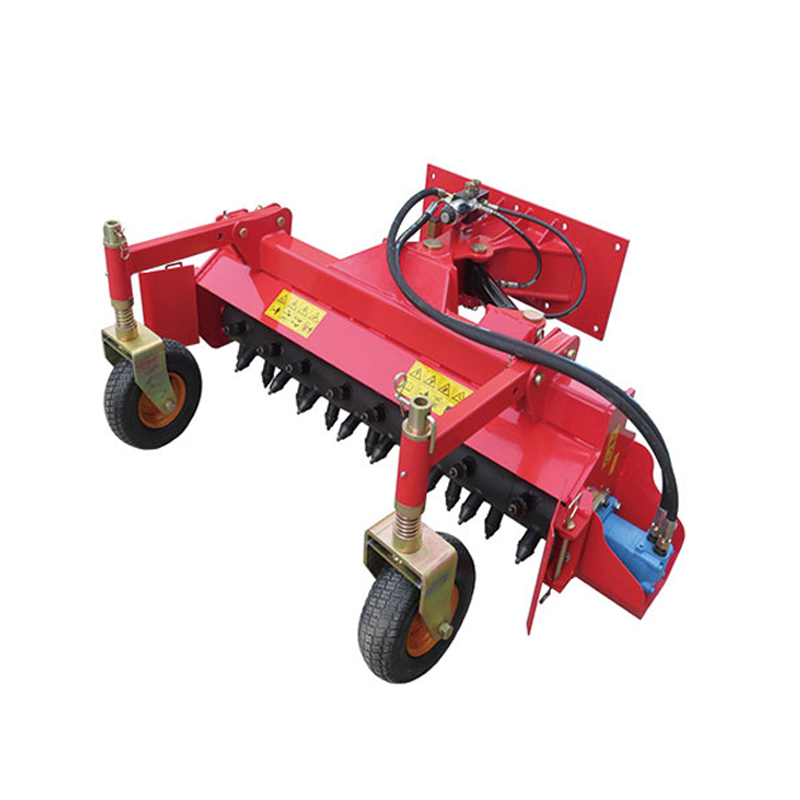
Rima specializes in high-performance power rakes and soil conditioners designed for precision seedbed preparation, landscape leveling, and efficient debris removal. Engineered for maximum productivity, Rima power rakes feature a heavy-duty bi-directional rotating drum with durable teeth that pulverize clods, level high spots, and sift out stones and roots to create the perfect soil texture. Our range includes professional-grade PTO-driven power rakes for tractors and high-flow hydraulic models for skid steer loaders. Built with high-strength reinforced steel and featuring adjustable depth control and multi-angle positioning, these attachments ensure superior performance in both site preparation and lawn renovation projects. Whether you are a professional landscaper or a large-scale farmer, Rima’s precision-engineered power rakes provide the durability and efficiency needed to optimize your soil conditioning workflow across North America and Europe.
CONTACT US
Power Raker PR140
PR140
Overview The Rima PR140 Power Rake is a high-performance soil conditioner engineered to transform rough terrain into a perfect, growth-ready seedbed. Designed specifically for skid steer loaders and high-flow hydraulic carriers, the PR140 excels at pulverizing soil, leveling high spots, and sifting out stones and debris. Whether you are working on a new lawn installation, a golf course renovation, or a commercial landscape project, the PR140 provides the efficiency and precision needed for architectural-grade soil finishing.

RECENT
BLOG ARTICLES

37 Tons, 7 Seconds, and Two Wedge Options: What Really Matters in a Heavy-Duty Log Splitter?

28
September
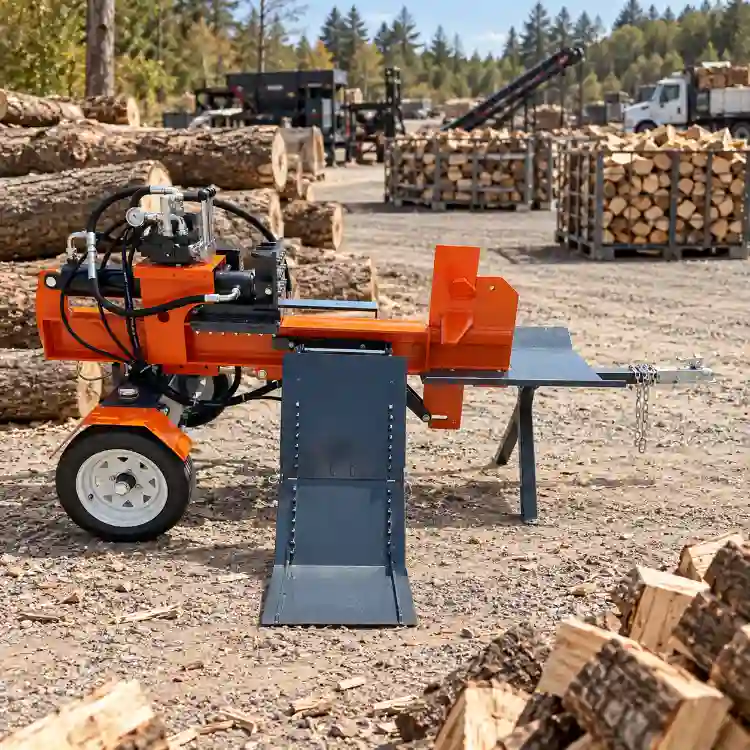
A log splitter’s 37-ton rating is useful to know, but it does not tell you how the machine will perform in a woodlot, farm, or firewood yard. When you are working with dense hardwood, large rounds, or high volumes of firewood, other specifications become equally important. Cycle time affects how long you wait between splits. Wedge design changes how many times you need to handle the same round. Loading also matters, especially when the wood is too heavy to lift comfortably by hand. That is why the useful numbers on a heavy-duty log splitter should be read together. The LS37HD delivers 37 tons of splitting force, with a cycle time of roughly 7 seconds and both 4-way and 6-way wedge options. What Does 37 Tons Really Tell You About a Log Splitter? Splitting force is still the first number many people check. This gives you an indication of the amount of force that the hydraulic system can apply to the wedge when necessary. For demanding firewood jobs, that matters. Dense hardwood, twisted grain, knots, and green rounds can create much more resistance than straight, dry wood. Splitting Force Matters Most When the Wood Gets Difficult The LS37HD provides 37 tons of splitting force and handles logs up to about 24 inches long and roughly 15.7 inches in diameter. That gives you useful capacity when your work regularly includes heavier rounds instead of only small, straight logs. You should not assume every 15-inch round will split the same way, though. Species, moisture, grain direction, and large knots can all change the job. If you often deal with oak or other stubborn hardwood, this guide on choosing a log splitter for tough hardwoods gives more context on what to look for. More Force Does Not Remove the Need for Good Setup Once you have enough force, the rest of the job depends on how the log reaches the wedge and what happens after the split. A machine can have a very high tonnage rating and still feel slow if you spend too much time moving wood, waiting for the ram, or splitting the same pieces again. This becomes especially noticeable when you are processing a larger pile rather than a few occasional logs. That is where the next number in the LS37HD specification becomes more useful. What Does a 7-Second Cycle Mean in Real Use? A 7-second cycle does not mean every log turns into finished firewood in seven seconds. The cycle refers to the hydraulic action of the splitter. You still need time to position the log, clear the split pieces, and prepare the next round. Even so, cycle time has a noticeable effect when you are working through a steady volume of wood. Cycle Time Sets the Pace Between Splits The LS37HD uses a two-stage hydraulic pump rated at about 16 GPM and has a cycle time of roughly 7 seconds. It also uses an auto-return hydraulic valve. Once a split is finished, you do not want to spend a long time waiting for the machine to reset. A predictable cycle gives you time to clear the work area and get the next piece ready without unnecessary pauses. The difference becomes more noticeable during extended firewood-processing sessions, especially when the machine is being used repeatedly throughout the day. Auto-Return Keeps the Workflow Simple Auto-return is a small feature on paper, but it fits the way people actually work. Once the splitting stroke is finished, the ram can return while you deal with the wood that has just been split. You are still responsible for safe positioning and keeping the work zone clear. The point is not to rush the process. It is to reduce unnecessary waiting between one log and the next and keep the work moving at a steady pace. Why Do Two Wedge Options Matter? The LS37HD does not rely on one wedge for every job. It supports both 4-way and 6-way hydraulic knives. That matters because the size of the original round and the size of the firewood you want are not always the same. A wedge that works well on one pile may create pieces that are too small or too large for another. A 4-Way Wedge Gives You Larger Split Pieces A 4-way wedge is useful when you want to divide a suitable round into several practical pieces without breaking it down too far in one pass. This can work well with moderate-size logs or when larger finished pieces are preferred. Instead of making a basic split and then turning each half again, the multi-way wedge can reduce repeated handling and cut down on extra passes. A 6-Way Wedge Can Reduce Extra Splitting With larger suitable rounds, the 6-way option can create more pieces during the same splitting action. If you need smaller finished firewood, this may reduce the number of times the same wood needs to go back through the machine. It is not simply a case of “six is better than four.” Log size, wood condition, and the finished piece size you need should guide your choice. Machine layout matters as well. If you want to compare how different working positions affect log handling, the guide to vertical vs. horizontal log splitters covers that choice in more detail. What Happens Before the Log Reaches the Wedge? Heavy-duty splitting is not only about what happens at the cutting point. A large round first has to get into position. That becomes obvious when you are working with logs near the upper end of the machine’s capacity. Rolling them around the ground may be manageable, but lifting them to working height repeatedly can slow the whole process. A Hydraulic Log Lifter Helps With Heavy Rounds The LS37HD includes a hydraulic log lifter. Instead of lifting every heavy round onto the splitting bed yourself, you can use the machine to help bring the wood into position. For a woodlot, farm, or professional firewood yard, that feature becomes more useful as log size and daily volume increase. You still need to organize incoming logs so they can reach the lifter easily, but the machine takes care of more of the awkward lifting step. Horizontal Operation Keeps the Work Area Predictable The LS37HD uses a horizontal splitting layout. You can arrange one side for incoming rounds and leave room on the other side for finished firewood. A clear work area matters when the splitter is used repeatedly. Keep loose split wood away from your feet, leave enough space around the controls, and make sure the next round can reach the machine without blocking the operator’s position. How Does the LS37HD Put These Features Together? The LS37HD makes more sense when you stop looking at each specification on its own. You have 37 tons of force for resistant wood, a 7-second cycle to keep the hydraulic work moving, two wedge choices for different finished firewood sizes, a hydraulic log lifter for heavier rounds, and auto-return for a smoother reset between splits. The hydraulic system holds about 8 gallons of oil and the machine uses a 14 HP electric-start engine. The Better Choice Depends on Your Workload If you only split a few small logs from time to time, you may not need this kind of setup. The LS37HD is better suited to regular heavy-duty work where larger batches, dense hardwood, or varying log sizes are part of the job. That makes it more relevant for woodlot owners, farms, professional wood processors, and serious firewood producers who need a splitter that can handle repeated use rather than occasional light splitting. Before buying, look at the wood you actually process. Measure typical diameter and length. Think about the finished firewood size you need and how much material normally goes through the machine during a working session. Where RIMA Fits Into the Decision RIMA develops farm and forestry equipment for jobs such as log splitting, firewood preparation, chipping, and sawmilling. If you are comparing equipment for a woodlot, farm, or professional firewood operation, the wider product range makes it easier to see how different machines can fit into the same wood-handling setup. You can also use the forestry equipment blog when you want more detail on specific jobs before choosing a machine. That can help if you are still deciding how much splitting capacity you need, what wedge setup fits your firewood size, or which machine should come next in your processing setup. Conclusion These three specifications describe different parts of the splitting process. Thirty-seven tons tells you how much splitting force the machine can deliver when the wood gets difficult. Seven seconds tells you about the hydraulic cycle, not the complete time needed to finish each log. The 4-way and 6-way wedges affect how far you can break down a suitable round in one pass. The LS37HD brings those features together with a hydraulic log lifter, auto-return valve, horizontal working layout, and a hydraulic system designed for repeated heavy-duty splitting. For woodlot owners, farm operators, professional wood processors, and serious firewood producers dealing with regular or larger-volume firewood work, that combination can be more useful than choosing a splitter from tonnage alone. If you want to confirm the right setup before ordering, you can check RIMA’s service support or contact RIMA with your usual log size, wood type, and firewood-processing needs. FAQ When Should You Use the 4-Way Wedge Instead of the 6-Way Wedge? A 4-way wedge is useful when you want larger finished pieces or are working with moderate-size rounds. A 6-way wedge makes sense when suitable larger rounds need to be divided into smaller pieces with fewer passes. What Size Logs Can the LS37HD Handle? The LS37HD is designed for logs up to about 24 inches long and roughly 15.7 inches in diameter. Actual splitting difficulty will still depend on species, moisture, grain, and knots. Why Does the LS37HD Have a Hydraulic Log Lifter? The lifter helps bring heavy rounds from near ground level into the horizontal splitting position. This is particularly useful during longer firewood-processing sessions or when larger rounds need to be handled repeatedly.    
37 Tons Isn’t Everything: What Really Makes a Log Splitter Ready for High-Volume Firewood Work?

22
September
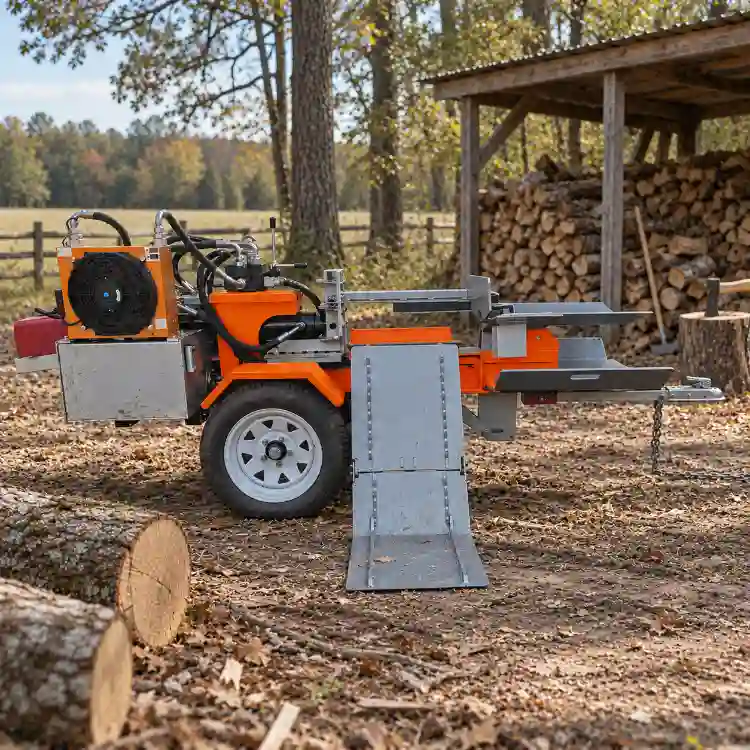
If you split a few logs now and then, almost any properly sized machine can feel quick enough. The picture changes when you are preparing a large stack of firewood for winter, cleaning up a wooded property, or working through heavy rounds over several weekends. That is when splitting force stops being the only number that matters. A 37-ton machine may have the strength to open a stubborn round, but your actual pace also depends on how fast the cylinder cycles, how easily you get a heavy log into position, how many pieces you make per pass, and whether the hydraulic system stays steady through a long session. For high-volume home firewood work, the better question is not simply “How many tons?” It is “How well does the whole machine work from one log to the next?” Why 37 Tons Alone Does Not Define a Good Splitter Splitting force tells you how much pressure the machine can apply to the wood. That matters when you are dealing with dense hardwood, twisted grain, large knots, or green rounds that do not break cleanly. Still, force only describes one part of the job. You may have plenty of power at the wedge and still spend most of your afternoon lifting, turning, and repositioning wood. Splitting Force Still Matters on Difficult Logs A stronger hydraulic system gives you more room to deal with difficult pieces. The LS37PRO delivers 37 tons of splitting force and accepts logs up to about 24 inches long. That makes it useful when your firewood pile includes larger hardwood rounds rather than straight, easy-to-split pieces. If your main problem is dense oak, knotty hardwood, or uneven rounds, it is also worth looking at this guide on choosing a log splitter for tough hardwoods. Wood species and grain shape can change the job just as much as log diameter. Finished Firewood Matters More Than a Force Rating Think about what happens after the wedge finishes one stroke. The ram has to return. You need another piece ready. Split wood has to be moved aside. A large round may need another pass. That is why a high force rating does not automatically mean fast firewood preparation. For home use, finished pieces per hour tell you more than a single specification on a product page. What Actually Keeps Firewood Moving Once a splitter has enough force for your wood, speed becomes a workflow question. A good setup should keep each step close to the next one without making you rush around the machine. This is where cycle time, hydraulic flow, lifting, and wedge design start to matter. Cycle Time and Hydraulic Flow Set the Working Rhythm The LS37PRO is available with different hydraulic setups. Its standard version uses a two-stage pump rated at about 22 GPM and completes a cycle in about 7 seconds. Higher-flow versions reach about 27.5 GPM and shorten the cycle to about 5.5 seconds. The splitting force stays at 37 tons, but the pace changes. That difference matters when you have a trailer load or a large winter stack to finish. A shorter cycle does not mean you should work at maximum speed all day. It simply cuts waiting time when your next log is already in position. A Hydraulic Log Lifter Changes the Hard Part of the Job Large rounds are often more annoying to lift than they are to split. The LS37PRO includes a hydraulic log lifter rated for roughly 441 pounds, so you can move heavy pieces from near ground level into the working position without trying to muscle every round onto the beam. For a homeowner with a woodlot or a large pile after tree cleanup, this can make the machine much easier to live with. You still need sensible log handling and a clear work area, but there is less repeated lifting before every split. A 4-Way Wedge Can Reduce Repeated Passes The hydraulic 4-way box wedge on the LS37PRO can divide a suitable round into several pieces during one pass. That is useful when you want firewood that is closer to stove or fireplace size without turning the same round again and again. Wedge choice should still match the wood in front of you. Large, awkward rounds may need a different approach from straight, even pieces. If you want to compare layouts and handling styles, the guide to vertical vs. horizontal log splitters gives more context on how machine design affects the way you position heavy wood. What Helps a Splitter Stay Useful Through Long Weekend Jobs A machine can feel excellent for the first twenty minutes and less pleasant after several hours. If you regularly prepare a season’s worth of firewood, it makes sense to look at what happens after the machine has been working for a while. Cooling, hydraulic capacity, and simple mobility become more useful than flashy numbers. Hydraulic Cooling Helps During Longer Sessions Hydraulic systems build heat while they work. The LS37PRO uses a 13.2-gallon hydraulic tank and includes an oil cooler. That setup helps manage oil temperature when you are splitting for longer periods instead of running a few quick cycles and putting the machine away. For home firewood, that is a practical feature. Many people do their splitting in blocks of several hours when the weather is good. Stable hydraulic operation matters more in that situation than it does during a short cleanup job. Towable Mobility Makes Yard Work Easier Firewood is rarely stacked exactly where the logs fall. You may split near a barn one day, beside a woodpile the next, then move closer to another part of the property. The LS37PRO uses 14-inch wheels with a high-speed torsion axle. That gives you a towable setup that is easier to reposition around a farm, wooded property, or large rural yard. Why LS37PRO Fits Heavy Home Firewood Work At this point, the 37-ton number makes more sense in context. The appeal of the LS37PRO is not one oversized specification. It is the way several useful features come together in one machine. You get strong splitting force, a roughly 24-inch log capacity, a hydraulic lifter, a hydraulic 4-way wedge, 5.5- to 7-second cycle times depending on configuration, a 13.2-gallon hydraulic tank, an oil cooler, and a towable chassis. It Suits Big Seasonal Jobs Without Turning Your Yard Into a Production Line For a homeowner who burns a lot of wood, manages acreage, or regularly clears fallen trees, those features can make more sense than simply buying the highest-tonnage machine you can find. The LS37PRO is especially worth considering when your logs are heavy enough to make manual loading inconvenient and when you want to finish a large batch of firewood over a weekend rather than stretch the work across several weeks. RIMA Brings the Machine and Support Together RIMA develops forestry and farm machinery and supports customization, quality control, and one-to-one customer service. You can also compare the wider product range if your property needs more than a log splitter, or review case studies to see how different forestry equipment is used in real settings. For buyers who want more background before choosing, the company’s forestry equipment blog also covers log splitting, firewood preparation, sawmills, and other wood-processing jobs. What Should You Check Before Choosing Your Setup? Before you order, look at your own woodpile rather than starting with a specification sheet. Your typical log size, species, weight, and annual firewood volume will tell you far more about the machine you need. Then look at how you actually work. Some people split a few hours at a time. Others save logs for months and process them in big batches. Match the Machine to Your Logs and Work Pattern If most of your wood is straight and easy to handle, you may not need every feature on a larger splitter. If you regularly deal with heavy hardwood rounds, large knots, or green logs, the combination of force, lifting capacity, and wedge control becomes much more useful. Also think about where the splitter will sit. Leave enough room for incoming logs, split wood, safe movement, and towing access. A fast machine does not help much if the work area is crowded. Choose the Configuration, Not Just the Model Name The LS37PRO versions share the same 37-ton force and roughly 24-inch splitting length, but hydraulic flow and cycle time differ. That is worth checking before you buy. For occasional large batches, the standard setup may already give you the pace you want. If you regularly process a much bigger seasonal stack, the faster hydraulic configuration may be more comfortable. Your choice should follow your real workload rather than the biggest number available. Conclusion Thirty-seven tons tells you how much splitting force a machine can deliver, but it does not tell you how efficiently the whole job will get done. For high-volume home firewood work, cycle time, log lifting, wedge design, hydraulic cooling, and mobility all affect how smoothly the job moves. The LS37PRO brings those features together in a setup that suits homeowners, woodlot owners, farms, and larger rural properties where firewood preparation is a regular part of the year. If you want help matching the LS37PRO configuration to your wood size and seasonal workload, you can review RIMA’s service support or contact RIMA before ordering. FAQ Is 37 Tons Enough for Home Firewood Splitting? For many heavy home firewood jobs, 37 tons provides plenty of splitting force. Your wood species, grain, knots, moisture, and log size still matter, so force should be considered together with cycle time and handling features. How Long a Log Can the LS37PRO Split? The LS37PRO is designed for logs up to about 24 inches long. That size works well for many common firewood setups and home heating needs. Why Does a Hydraulic Log Lifter Matter? It helps move heavy rounds into the splitting position. The LS37PRO lifter is rated for about 441 pounds, which can make large-log handling more manageable during longer splitting sessions. What Does a 4-Way Wedge Do? A 4-way wedge can split a suitable round into multiple pieces in one pass. This can reduce the need to turn and split the same wood several times. Should I Choose the 5.5-Second or 7-Second Cycle Setup? It depends on how much wood you normally process. The 7-second version can suit regular home use, while the faster 5.5-second configuration makes more sense when you often work through larger seasonal batches and want less waiting between cycles.  

Struggling to Pull Logs from Dense Woodland? How a Tractor Forestry Winch Makes Timber Extraction Easier

16
September
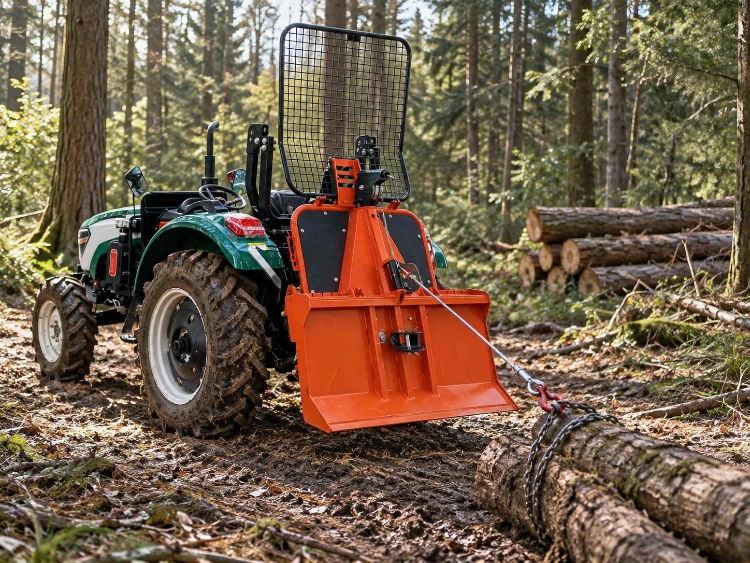
A felled tree can be only a few hundred feet from a farm track and still be difficult to recover. Trees, stumps, soft ground, slopes, and narrow gaps often stop a tractor from getting close enough to the log. Driving farther into the woods is not always the better answer. A tractor forestry winch changes the route of the job. You can leave the tractor on firmer ground, run the wire rope to the timber, and pull the log toward a trail or open landing area. For a farm, private woodlot, or rural property where timber is scattered through uneven ground, that can make log recovery much more manageable. Why Is Pulling Logs from Dense Woodland So Difficult? The weight of the log is only part of the problem. Where the timber falls often decides how hard it will be to move. Keep the Tractor on Firmer, More Accessible Ground Dense woodland rarely gives you a straight driving route. There may be standing trees on one side, a stump on the other, and wet soil underneath. Even if your tractor can enter the area, turning around with timber attached may be awkward. It often makes more sense to choose a firm tractor position first. A forestry winch lets you reach into places where taking the whole tractor would be inconvenient. You still need to judge the slope, soil, and pulling direction, but you have more choice over where the tractor sits. Bring the Log toward the Tractor Without a winch, you may end up driving toward each individual log. That means repeated positioning, reversing, and finding enough room to attach the load. With a wire rope, the tractor can stay farther away. You take the cable to the log instead. The winch then draws the timber toward the tractor or a clearer route. If you are deciding how much pulling capacity suits your tractor, this tractor forestry winch guide goes deeper into tractor power, PTO speed, linkage, and 5.5-ton winch sizing. How Does a Tractor Forestry Winch Move Heavy Logs? Once you stop trying to drive directly to every log, the workflow becomes fairly simple. The tractor supplies the power, while the winch provides the pulling line between the machine and the timber. PTO Power Runs the Winch A mechanical forestry winch mounts at the rear of the tractor and uses the PTO to drive the pulling system. You pull the wire rope out, attach it to the timber, engage the winch, and bring the log back toward the tractor. The Forestry Winch W55M is built around this type of work. It uses a 540 rpm tractor PTO, mechanical manual control, and Cat 1 & 2 linkage. The recommended tractor range is about 54–75 HP. That setup suits tractors already doing regular farm or woodlot work. You are using the tractor as the power source rather than adding another engine to maintain. A Long Wire Rope Gives You More Working Reach The W55M comes with a wire rope about 230 ft long and 0.43 inch in diameter. That reach matters when a log is down a bank, beyond a stand of trees, or simply farther from the trail than you want to drive. The winch with its standard rope weighs about 844 lb. Longer reach does not mean you should pull from any position. A poor pulling angle can drag the log into a stump or side-load the setup. Before attaching the rope, look at the entire path from timber to tractor. Mechanical Control Keeps the Setup Direct The W55M uses mechanical control rather than a separate hydraulic drive. A clutch controls engagement, while the braking system helps manage the winch drum and load. For someone using the machine around a farm or family woodlot, this is a straightforward arrangement. You still need normal inspection and maintenance, but the working principle is easy to follow. How Does the W55M Help with Timber Extraction in Woodland? The useful part of a forestry winch is not the specification sheet by itself. It is what those specifications allow you to do when a log is lying somewhere awkward. Use 5.5-Ton Pulling Force for Heavy Timber The W55M is rated at 5.5 tons of pulling force. That gives it useful capacity for log skidding, farm woodland cleanup, fallen timber, and regular timber extraction. RIMA positions the model for forestry, farming, and woodlot management. The number should not be treated as a promise that every large log will move the same way. A wet hardwood trunk on level ground behaves differently from the same log on a slope. Ground friction, log shape, roots, rocks, and pulling angle all change the resistance. This is why it helps to clear an obvious path before you start pulling. Sometimes moving the cable attachment point or removing one small obstacle makes more difference than adding more force. Let the Butt Plate Support the Pull When the rope comes under tension, the reaction force also acts on the tractor and winch. The W55M uses a compact butt plate that contacts the ground during work and helps the winch sit more firmly while pulling. That extra support is useful on woodland ground, but it does not replace good tractor positioning. Avoid treating the butt plate as permission to pull across a severe side slope or from an awkward angle. Ground condition and tractor stability still come first. Use the Guard around Branches and Debris Woodland work puts equipment close to branches, brush, and moving timber. The W55M has a foldable window guard that creates a protective barrier behind the tractor during operation. The folding design is also practical when you move the tractor under low branches or store the attachment in a shed. The machine includes holders for common forestry tools as well, which helps keep gear together instead of loose around the tractor. How Should You Match the W55M to Your Tractor and Woodlot? A forestry winch works best when the tractor, attachment, and terrain all suit one another. Choosing by pulling force alone can leave you with the wrong setup. Check Tractor Power, PTO, and Linkage First For the W55M, start with three basic checks: about 54–75 HP, a 540 rpm PTO, and compatible Cat 1 or Cat 2 three-point linkage. If those points do not match your tractor, the 5.5-ton rating is not the first thing to worry about. Fit and power compatibility come before field use. This is also why the biggest winch is not automatically the best winch. An oversized winch can add unnecessary weight and make a smaller tractor less practical on narrow woodland tracks. Plan the Pulling Route before Unspooling the Cable Look from the tractor toward the log before walking the rope out. A good route has as few hard turns and obstacles as possible. Check for rocks, standing trees, stumps, ditches, and sections where the log could dig into the ground. If possible, pull toward an existing farm track or open woodland edge. You may need two shorter pulls instead of trying to drag the timber through every obstacle in one movement. That often gives you much better control. Move Extracted Logs to a Clear Landing Area A forestry winch is mainly for extraction and skidding. Once the log reaches the road or landing area, the next job is loading, stacking, transport, or processing. Keeping those jobs separate makes the whole property easier to manage. The winch gets timber out of the difficult ground. A trailer or other log-handling equipment can then deal with transport. If your setup includes regular hauling after extraction, the guide on log trailers with cranes gives a useful look at the next part of the timber-handling workflow. Why RIMA Fits a Tractor-Based Timber Extraction Setup RIMA makes farm and forestry machinery for logging, wood processing, and material handling. Its wider range includes forestry winches, sawmills, log-handling equipment, firewood machines, and other tools used around farms and woodlots. The company also develops and updates equipment through its own technical team and carries out quality checks before shipment. Choose Equipment around the Jobs You Already Do The W55M fits a fairly clear use case: you already have a suitable tractor and need to pull logs out of woodland without driving directly to every tree. That makes it easier to judge whether the product belongs on your property. You can compare the W55M with the wider RIMA products range if your timber work also includes sawing, splitting, loading, or transport. Build the Setup as Your Woodlot Changes You do not need every forestry attachment at once. A tractor and winch may cover the first job: getting timber out. If the amount of wood increases later, you can add equipment around loading, transport, cutting, or firewood preparation. The RIMA case section is useful for seeing different forestry equipment arrangements, while the RIMA blog covers more day-to-day topics around farm and woodland machinery. Check the Details before You Buy Before choosing the W55M, write down your tractor horsepower, PTO speed, linkage category, normal log size, terrain, and typical pulling distance. Those details tell you much more than simply saying you need a “strong winch.” For help checking the setup, you can review RIMA service support or contact RIMA with your tractor and woodland conditions before ordering. Conclusion Dense woodland makes timber extraction difficult because the tractor cannot always go where the log is. A tractor forestry winch changes that relationship. You keep the tractor in a better position and bring the timber toward it. The Forestry Winch W55M combines 5.5-ton pulling force, a 540 rpm PTO drive, long wire-rope reach, mechanical control, a butt plate, and a foldable guard. For a compatible tractor working around a farm or woodlot, those features are aimed at one practical job: getting logs from difficult ground to a place where you can handle them properly. FAQ What Size Tractor Is Recommended for the Forestry Winch W55M? The recommended tractor range is about 54–75 HP. You should also confirm a 540 rpm PTO and compatible Cat 1 or Cat 2 three-point linkage before choosing the winch. How Much Pulling Force Does the W55M Provide? The W55M provides 5.5 tons of pulling force. Actual pulling conditions still depend on log weight, ground friction, slope, obstacles, and the direction of the pull. What Is the Standard Wire Rope Size on the W55M? The standard wire rope is about 230 ft long and 0.43 inch in diameter, giving you useful reach when logs are lying away from an accessible tractor route. Why Does a Forestry Winch Need a Butt Plate? The butt plate contacts the ground and helps support the winch during pulling. It can improve the working position of the attachment, but safe operation still depends on suitable soil, tractor stability, load, and pulling angle. Can a Forestry Winch Pull Logs from Places a Tractor Cannot Reach? Yes, that is one of its main advantages. You can leave the tractor on a firmer trail or open area, run the cable toward the log, and pull timber out of woodland that would be awkward to enter directly. The cable route and pulling angle still need to be planned carefully.

Tired of Slow Firewood Production? How Commercial Processors Turn Large Logs Into Sellable Firewood

09
September
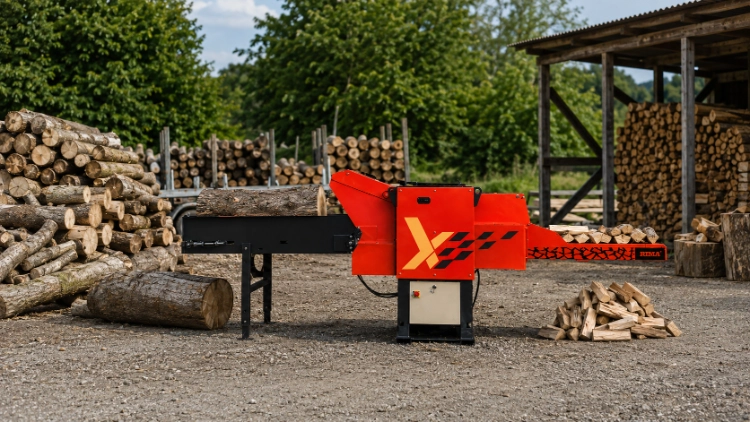
A big pile of logs can look like plenty of firewood until you start working through it. Larger rounds take longer to position. Knots and twisted grain can stop a clean split, and uneven pieces often end up going through the machine again. If you process firewood for a farm, rural home, small woodlot, or family-run firewood yard, the goal is fairly simple. You want to turn those logs into pieces that are easy to dry, stack, store, bag, or sell. A bigger machine alone does not make that happen. The whole job needs to keep moving from one log to the next. Why Does Firewood Production Slow Down with Larger Logs? Splitting force matters when you work with thick or dense wood, but it is only one part of the job. A machine may have plenty of force and still feel slow if every cycle involves too much repositioning and cleanup. Large Logs Need More Work between Splits Large rounds are heavy and awkward. They do not always sit where you want them, especially when the trunk is crooked or the cut face is uneven. Dense hardwood, wet timber, knots, and crotch sections can make each split less predictable as well. This is why it helps to look beyond the force rating when choosing equipment. Feeding, positioning, splitting, clearing the finished pieces, and getting the next log ready all affect how much wood you finish in a day. If tough wood is common on your property, this log splitter guide for tough hardwoods covers several points worth checking before you choose a setup. Uneven Pieces Create More Work Later A log breaking apart does not always mean the job is finished. If one section comes out too thick, you may have to pick it out and split it again. Do that across a large pile and the extra handling starts to add up. More even firewood is easier to work with after splitting. It stacks better, fits into bags or bundles more neatly, and can be separated by size without spending half the afternoon sorting the pile. You also get a more predictable result when you prepare wood for different stoves or heating setups. How Do Commercial Processors Keep Logs Moving? A commercial-style firewood setup is not only for a large production yard. The same working idea can make sense on a farm or larger rural property where you process wood regularly. The main difference is rhythm. Instead of treating every log as a separate job, the machine is set up to keep material moving through the same sequence. Automatic Splitting Keeps the Cycle Moving With a basic splitter, quite a bit of time can disappear between strokes. You reposition the wood, move the last pieces away, wait for the machine to reset, and then start again. The RX500 X Log Splitter uses a fully automatic splitting cycle. That makes it better suited to repeated firewood work where you have a pile of rounds waiting rather than one or two logs to deal with. The difference becomes more noticeable over a full day. You are still loading and managing the wood, but the splitting stage is not constantly stopping and starting around separate manual steps. The X-Blade Changes What Comes Out A single wedge can open a round, but large sections may still need another pass before they are small enough for the stove or woodpile. The RX500 X uses a horizontal X-blade to divide the log in a more controlled pattern. The machine can handle logs around 19.7 inches in diameter and offers up to 18 tons of splitting force. Finished firewood size can be adjusted from roughly 0.6 × 0.6 inch up to 5.9 × 5.9 inches. That range gives you room to make small kindling, normal stove wood, or larger pieces. You are not stuck producing one size from every log. How Does the RX500 X Turn Large Logs Into Sellable Firewood? There is a practical difference between split wood and firewood that is ready to use or sell. The second one needs a workable size, a fairly regular shape, and a clear path from the splitter to drying and storage. That is where the RX500 X starts to make more sense than simply choosing a machine with a large force number. Control the Finished Size before the Wood Leaves the Splitter If you heat your own property, you probably already know what size works best in your stove. Smaller pieces are handy for starting a fire. Medium pieces suit everyday burning, while larger pieces can be useful in bigger stoves or outdoor heating systems. The adjustable splitting range lets you work around those needs. If you also sell some of your firewood locally, you can prepare different sizes without changing to another machine. That saves you from creating a large mixed pile first and sorting everything afterward. Keep the Feed Area Clear and the Output Moving Even a good splitter can feel slow when the area around it becomes crowded. Finished pieces should have somewhere to go, and the next log needs a clear route into the machine. Keep loose pieces away from the feed area and do not let split wood collect around the outlet. It sounds simple, but this has a big effect on how comfortable the machine is to use over several hours. This guide on preventing feed jams on a wood processor also covers useful ways to keep material moving without constant stopping. Make the Finished Wood Easier to Handle Once the firewood comes out in a fairly consistent size, everything after the splitter becomes simpler. You can carry it more easily, build cleaner stacks, and separate kindling from larger stove wood as you go. If you are preparing bags or bundles, there is less need to pick through the pile looking for pieces that fit. This is one reason the finished split matters just as much as raw machine power. What Makes Finished Firewood Easier to Dry, Store, and Sell? Firewood still needs time and airflow after splitting. A machine cannot replace proper seasoning, but the way the wood is prepared can make the next stage much easier. Consistent Sizes Make Stacking and Drying Easier A pile filled with very different sizes can be awkward to stack. Large blocks sit next to thin pieces, gaps vary, and the wood does not always dry at a similar rate. Pieces that are closer in size are easier to arrange with good airflow around them. You can also build rows that stay more stable instead of constantly shifting as you add more wood. For your own property, this simply makes the woodpile easier to manage. If you sell some of the finished wood, a more regular load also looks better when it reaches the customer. Different Firewood Sizes Suit Different Uses There is no single perfect firewood size. Small split pieces work well as kindling. Medium pieces are useful for many household stoves and fireplaces. Larger firewood may suit bigger heating systems or customers who prefer a longer burn. The adjustable output of the RX500 X gives you room to work with those differences instead of making every batch the same. That can be particularly useful when the logs on your property vary in diameter throughout the season. How Should You Build a Practical Firewood Processing Setup? You do not need to buy every piece of forestry equipment at once. A useful setup starts with the wood you actually have and the amount you expect to process. Start with Your Logs and Finished Firewood Size Look at the logs before looking at the machine brochure. Check the normal diameter, wood species, condition, and length of the material you handle. Then decide what finished firewood size you actually want. Your working area matters too. You need enough room to bring logs in, run the splitter safely, and move finished wood out without crossing the same path all day. The RX500 X is a good fit when larger logs and repeated splitting are common enough to justify an automatic cycle and adjustable X-blade setup. Add Material Handling Only When You Need It A small woodlot may work perfectly well with the splitter, a clear feed area, and a nearby drying stack. If the amount of firewood grows later, a conveyor can help move finished pieces away from the machine. An infeed table can make it easier to keep rounds ready, while a cleaner or screener can remove loose bark and small debris before storage or packing. The wider RIMA products range includes firewood processors, log splitters, conveyors, sawmills, and other forestry equipment, so you can build around the main machine instead of replacing everything when your needs change. Why RIMA Fits This Type of Setup RIMA focuses on farm and forestry equipment, including machines for splitting, sawmilling, conveying, and timber handling. That makes the RX500 X part of a wider wood-processing range rather than a stand-alone product with nowhere to go next. For a farm, rural property, or family-run firewood operation, that can be useful. You might start with one machine and add supporting equipment later when the amount of wood increases. You can look through RIMA case examples for different equipment setups or browse the RIMA blog for more practical information on firewood processing, log splitters, sawmills, and maintenance. If you are not sure whether the RX500 X fits your log size or working area, RIMA also provides service support, and you can contact RIMA with your average log diameter, wood type, working conditions, and preferred finished firewood size. Conclusion Slow firewood production is rarely caused by one thing. Large rounds take longer to position, uneven pieces may need another pass, and a crowded working area can slow down a good machine. A more controlled setup helps keep those small delays from taking over the day. The RX500 X Log Splitter combines an automatic splitting cycle, up to 18 tons of splitting force, a horizontal X-blade, and adjustable firewood sizing. Those features make sense when you regularly need to turn larger logs into wood that is ready to dry, stack, store, or sell. For a farm, woodlot, rural home, or small firewood yard, that is the useful measure of a machine. It is not only whether the log splits. It is how easily you can move from one large round to the next and end up with firewood you can actually use. FAQ Can the RX500 X Handle Large Logs? Yes. The RX500 X can handle logs around 19.7 inches in diameter and provides up to 18 tons of splitting force. Wood species, knots, moisture, and log shape can still affect how each round splits. What Size Firewood Can the RX500 X Produce? The finished split can be adjusted from roughly 0.6 × 0.6 inch up to 5.9 × 5.9 inches. This gives you options for kindling, everyday stove wood, and larger firewood. Why Does an X-Blade Help with Firewood Production? An X-blade divides a round in a more controlled pattern than a simple single wedge. That can give you more evenly sized pieces and reduce the number of oversized sections that need another pass. Is Splitting Force the Main Factor in Firewood Output? No. Splitting force matters when you work with large or dense timber, but the overall pace also depends on feeding, positioning, cycle time, clearing finished pieces, and the condition of the wood. What Equipment Can Be Used with a Firewood Splitter? A firewood setup can include an infeed table, conveyor, cleaner, screener, or other log-handling equipment. What you need depends on how much wood you process, the space available, and what you plan to do with the finished firewood.  
Products
Contacts
WhatsApp
Email