




28th September 2026
37 Tons, 7 Seconds, and Two Wedge Options: What Really Matters in a Heavy-Duty Log Splitter?
A log splitter’s 37-ton rating is useful to know, but it does not tell you how the machine will perform in a woodlot, farm, or firewood yard. When you are working with dense hardwood, large rounds, or high volumes of firewood, other specifications become equally important.
Cycle time affects how long you wait between splits. Wedge design changes how many times you need to handle the same round. Loading also matters, especially when the wood is too heavy to lift comfortably by hand.
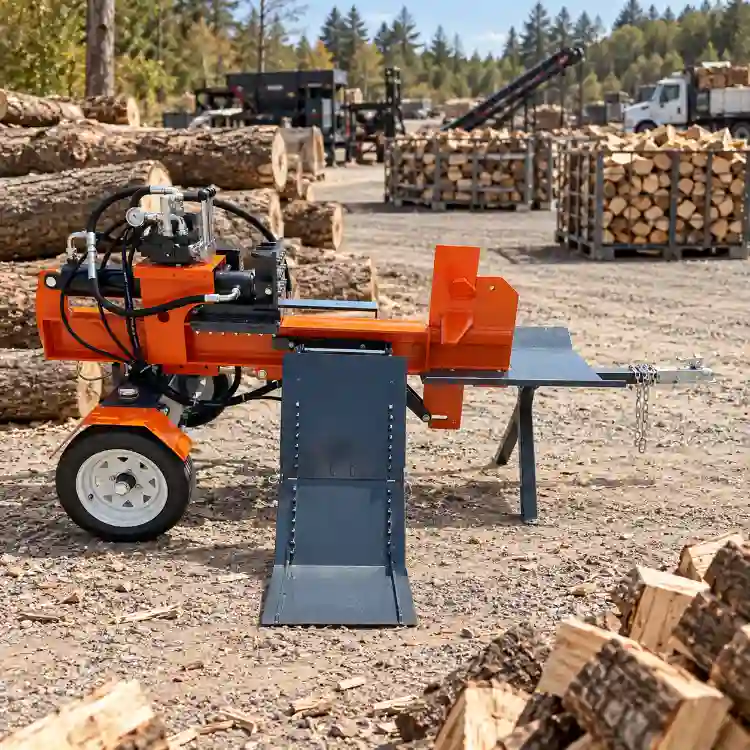
That is why the useful numbers on a heavy-duty log splitter should be read together. The LS37HD delivers 37 tons of splitting force, with a cycle time of roughly 7 seconds and both 4-way and 6-way wedge options.
What Does 37 Tons Really Tell You About a Log Splitter?
Splitting force is still the first number many people check. This gives you an indication of the amount of force that the hydraulic system can apply to the wedge when necessary.
For demanding firewood jobs, that matters. Dense hardwood, twisted grain, knots, and green rounds can create much more resistance than straight, dry wood.
Splitting Force Matters Most When the Wood Gets Difficult
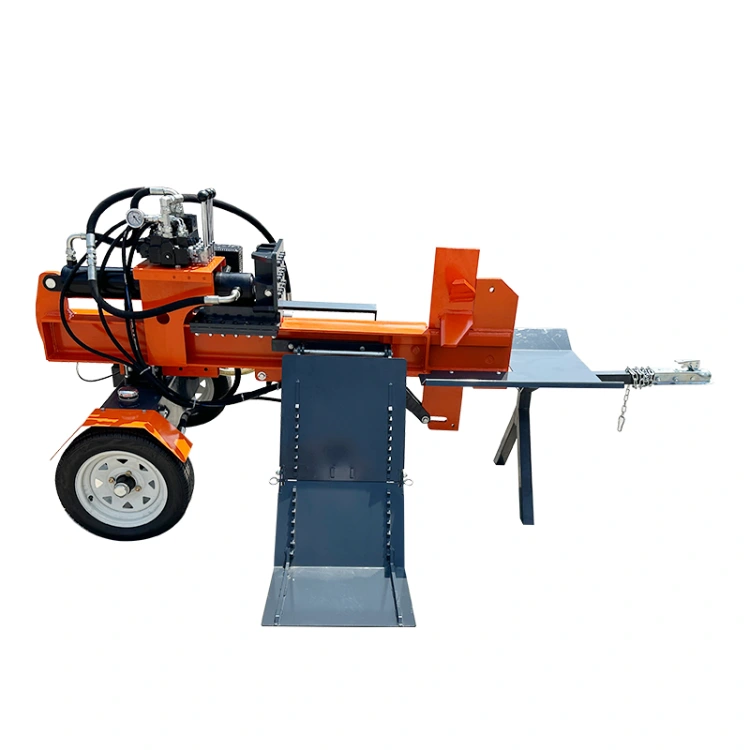
The LS37HD provides 37 tons of splitting force and handles logs up to about 24 inches long and roughly 15.7 inches in diameter. That gives you useful capacity when your work regularly includes heavier rounds instead of only small, straight logs.
You should not assume every 15-inch round will split the same way, though. Species, moisture, grain direction, and large knots can all change the job. If you often deal with oak or other stubborn hardwood, this guide on choosing a log splitter for tough hardwoods gives more context on what to look for.
More Force Does Not Remove the Need for Good Setup
Once you have enough force, the rest of the job depends on how the log reaches the wedge and what happens after the split.
A machine can have a very high tonnage rating and still feel slow if you spend too much time moving wood, waiting for the ram, or splitting the same pieces again. This becomes especially noticeable when you are processing a larger pile rather than a few occasional logs. That is where the next number in the LS37HD specification becomes more useful.
What Does a 7-Second Cycle Mean in Real Use?
A 7-second cycle does not mean every log turns into finished firewood in seven seconds. The cycle refers to the hydraulic action of the splitter. You still need time to position the log, clear the split pieces, and prepare the next round.
Even so, cycle time has a noticeable effect when you are working through a steady volume of wood.
Cycle Time Sets the Pace Between Splits
The LS37HD uses a two-stage hydraulic pump rated at about 16 GPM and has a cycle time of roughly 7 seconds. It also uses an auto-return hydraulic valve.
Once a split is finished, you do not want to spend a long time waiting for the machine to reset. A predictable cycle gives you time to clear the work area and get the next piece ready without unnecessary pauses.
The difference becomes more noticeable during extended firewood-processing sessions, especially when the machine is being used repeatedly throughout the day.
Auto-Return Keeps the Workflow Simple
Auto-return is a small feature on paper, but it fits the way people actually work. Once the splitting stroke is finished, the ram can return while you deal with the wood that has just been split.
You are still responsible for safe positioning and keeping the work zone clear. The point is not to rush the process. It is to reduce unnecessary waiting between one log and the next and keep the work moving at a steady pace.
Why Do Two Wedge Options Matter?
The LS37HD does not rely on one wedge for every job. It supports both 4-way and 6-way hydraulic knives.
That matters because the size of the original round and the size of the firewood you want are not always the same. A wedge that works well on one pile may create pieces that are too small or too large for another.
A 4-Way Wedge Gives You Larger Split Pieces
A 4-way wedge is useful when you want to divide a suitable round into several practical pieces without breaking it down too far in one pass.
This can work well with moderate-size logs or when larger finished pieces are preferred. Instead of making a basic split and then turning each half again, the multi-way wedge can reduce repeated handling and cut down on extra passes.
A 6-Way Wedge Can Reduce Extra Splitting
With larger suitable rounds, the 6-way option can create more pieces during the same splitting action. If you need smaller finished firewood, this may reduce the number of times the same wood needs to go back through the machine.
It is not simply a case of “six is better than four.” Log size, wood condition, and the finished piece size you need should guide your choice.
Machine layout matters as well. If you want to compare how different working positions affect log handling, the guide to vertical vs. horizontal log splitters covers that choice in more detail.
What Happens Before the Log Reaches the Wedge?
Heavy-duty splitting is not only about what happens at the cutting point. A large round first has to get into position.
That becomes obvious when you are working with logs near the upper end of the machine’s capacity. Rolling them around the ground may be manageable, but lifting them to working height repeatedly can slow the whole process.
A Hydraulic Log Lifter Helps With Heavy Rounds
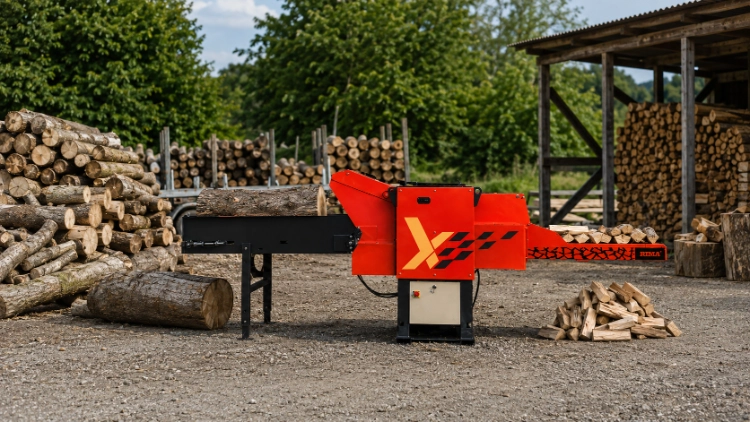
The LS37HD includes a hydraulic log lifter. Instead of lifting every heavy round onto the splitting bed yourself, you can use the machine to help bring the wood into position.
For a woodlot, farm, or professional firewood yard, that feature becomes more useful as log size and daily volume increase. You still need to organize incoming logs so they can reach the lifter easily, but the machine takes care of more of the awkward lifting step.
Horizontal Operation Keeps the Work Area Predictable
The LS37HD uses a horizontal splitting layout. You can arrange one side for incoming rounds and leave room on the other side for finished firewood.
A clear work area matters when the splitter is used repeatedly. Keep loose split wood away from your feet, leave enough space around the controls, and make sure the next round can reach the machine without blocking the operator’s position.
How Does the LS37HD Put These Features Together?
The LS37HD makes more sense when you stop looking at each specification on its own.
You have 37 tons of force for resistant wood, a 7-second cycle to keep the hydraulic work moving, two wedge choices for different finished firewood sizes, a hydraulic log lifter for heavier rounds, and auto-return for a smoother reset between splits. The hydraulic system holds about 8 gallons of oil and the machine uses a 14 HP electric-start engine.
The Better Choice Depends on Your Workload
If you only split a few small logs from time to time, you may not need this kind of setup. The LS37HD is better suited to regular heavy-duty work where larger batches, dense hardwood, or varying log sizes are part of the job.
That makes it more relevant for woodlot owners, farms, professional wood processors, and serious firewood producers who need a splitter that can handle repeated use rather than occasional light splitting.
Before buying, look at the wood you actually process. Measure typical diameter and length. Think about the finished firewood size you need and how much material normally goes through the machine during a working session.
Where RIMA Fits Into the Decision
RIMA develops farm and forestry equipment for jobs such as log splitting, firewood preparation, chipping, and sawmilling. If you are comparing equipment for a woodlot, farm, or professional firewood operation, the wider product range makes it easier to see how different machines can fit into the same wood-handling setup.
You can also use the forestry equipment blog when you want more detail on specific jobs before choosing a machine. That can help if you are still deciding how much splitting capacity you need, what wedge setup fits your firewood size, or which machine should come next in your processing setup.
Conclusion
These three specifications describe different parts of the splitting process.
Thirty-seven tons tells you how much splitting force the machine can deliver when the wood gets difficult. Seven seconds tells you about the hydraulic cycle, not the complete time needed to finish each log. The 4-way and 6-way wedges affect how far you can break down a suitable round in one pass.
The LS37HD brings those features together with a hydraulic log lifter, auto-return valve, horizontal working layout, and a hydraulic system designed for repeated heavy-duty splitting. For woodlot owners, farm operators, professional wood processors, and serious firewood producers dealing with regular or larger-volume firewood work, that combination can be more useful than choosing a splitter from tonnage alone.
If you want to confirm the right setup before ordering, you can check RIMA’s service support or contact RIMA with your usual log size, wood type, and firewood-processing needs.
FAQ
When Should You Use the 4-Way Wedge Instead of the 6-Way Wedge?
A 4-way wedge is useful when you want larger finished pieces or are working with moderate-size rounds. A 6-way wedge makes sense when suitable larger rounds need to be divided into smaller pieces with fewer passes.
What Size Logs Can the LS37HD Handle?
The LS37HD is designed for logs up to about 24 inches long and roughly 15.7 inches in diameter. Actual splitting difficulty will still depend on species, moisture, grain, and knots.
Why Does the LS37HD Have a Hydraulic Log Lifter?
The lifter helps bring heavy rounds from near ground level into the horizontal splitting position. This is particularly useful during longer firewood-processing sessions or when larger rounds need to be handled repeatedly.




LEAVE A REPLY