




12th August 2026
The 150 mm Question: When Is an Electric Wood Chipper Too Limited?
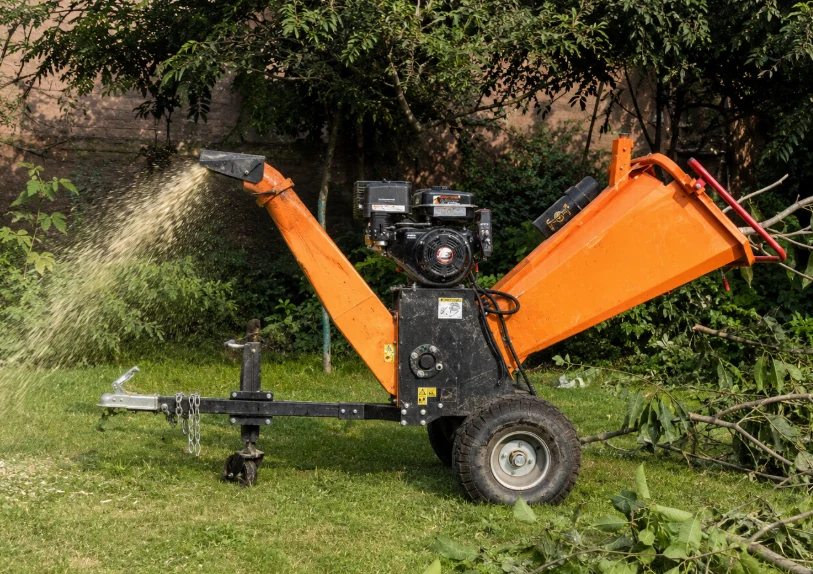
Branch diameter looks like a clean buying metric, but real wood rarely arrives as a straight, uniform cylinder. A compact electric wood chipper may handle tidy pruning with little fuss, then struggle the moment awkward forks, dense hardwood, or storm-damaged limbs enter the pile. That is why the 150 mm question matters. It is not simply about feeding one unusually thick branch. It is about how often you stop to trim side shoots, clear a blockage, wait for the cutting drum to regain speed, or drag material back toward a fixed power source.
For a small garden, those delays may be minor. It can cross an orchard, an estate or even a landscaping route and become the ‘job of choice’ to deal with a large 150 mm branch quickly. The more relevant question is whether a machine can handle its normal working load of material on a regular basis every week.
What Does a 150 mm Chipping Capacity Really Mean?
A diameter rating is a reference point, not a promise that every branch of that size will feed smoothly.
Rated Diameter Versus Everyday Material
Maximum chipping diameter describes the largest suitable branch under favorable conditions, not an all-day working size. If most material measures 40 to 70 mm, a compact unit may be enough. If regular branches sit near the ceiling, expect more trimming and interruptions.
Working Margin and Consistent Output
Useful capacity includes working room. Note how often material must be pulled back, how much preparation happens before feeding, and whether the machine repeatedly loses speed. If stoppages take longer than chipping, the unit may still be too small.
When Does an Electric Wood Chipper Become Too Limited?
Warning signs usually appear in the workflow, not on the specification sheet.
Repeated Pre-Cutting and Feed Blockages
Some pre-cutting is normal, especially with wide forks. It becomes a problem when nearly every branch needs saw work. Dull knives, overfeeding, and poor technique also cause blockages, so check maintenance first. If sharp blades and careful feeding do not help, the chipper may be undersized.
Long Duty Cycles and Heavy Debris Volumes
A few bags of pruning differ from a trailer full of storm waste. For estates, orchards, and weekly landscaping, total volume often matters more than the largest branch. Long sessions reveal limits hidden during brief garden jobs.
Power Access and Worksite Restrictions
Corded equipment works best near a suitable outlet. Woodland edges, roadside work, and scattered orchard blocks may not offer one. Extension leads add setup time and restrict placement. On larger sites, moving the chipper to the pile is usually easier than dragging bulky branches across the property.
Which Jobs Usually Need More Than a Small Electric Chipper?
More capacity makes sense when thick material is common, cleanup windows are short, or the machine must move between work areas.
Storm-Damaged Branch Cleanup
Storm waste often includes snapped limbs, awkward forks, leafy tops, and dirt-covered wood. Stones, wire, and soil must be removed before feeding. Once sorted, a larger chipper can reduce cutting and hauling while sending chips into a trailer or mulch area.
Estate and Orchard Maintenance
Orchard pruning creates high volumes at fixed times of year, while estate work adds distance between trees, hedges, and roads. In both cases, an electric wood chipper may feel restrictive even when most branches are moderate. Mobility and steady output matter as much as diameter.
Landscaping and Light Commercial Work
Small contractors meet mixed material at every site, from hedge cuttings to dense limbs and awkward forks. More capacity can reduce loading volume and return trips, but towing rules, access width, and noise limits still need checking.
How Does the RIMA CS-120 Handle Larger Branch Work?
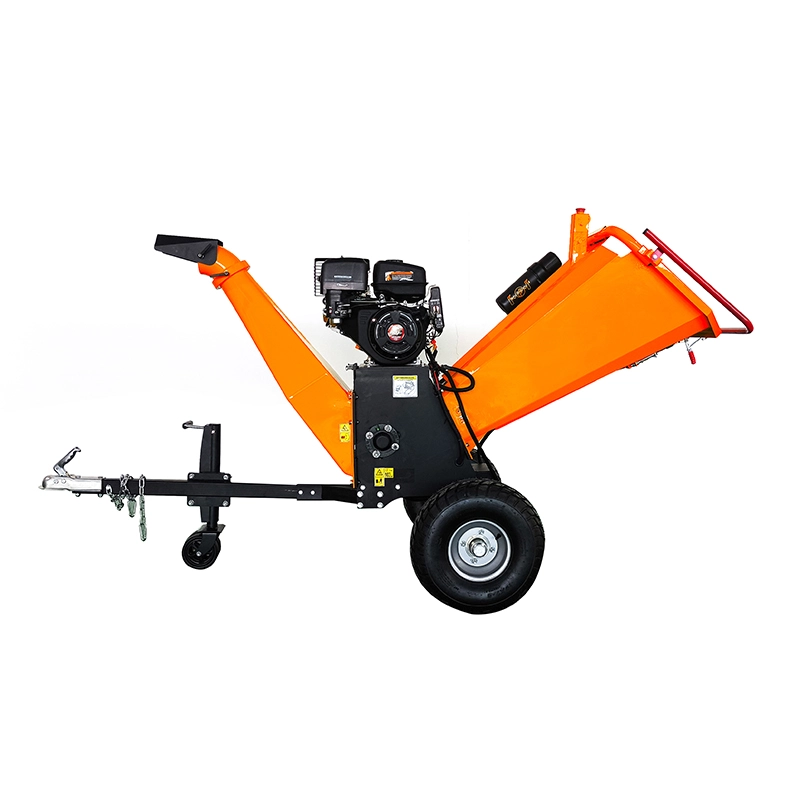
For buyers moving beyond light garden cleanup, the RIMA CS-120 offers a practical step up. It is a petrol-powered chipper with electric and recoil starting, not a mains-powered machine.
150 mm Branch Capacity
The machine is rated for branches up to 150 mm and uses a 9.0 kW, 420 cc single-cylinder four-stroke engine. That capacity can reduce pre-cutting when larger limbs appear regularly. Wood type, knots, branch shape, blade condition, and feed technique still affect the pace.
Twin-Blade Drum and Belt Drive
A high-speed drum carries two knives and runs at 2,000 min⁻¹. The belt-drive layout transfers power to the cutting drum, while the knives can be flipped or sharpened as they wear. Clean edges and controlled feeding matter more than forcing material through quickly.
| Specification | CS-120 Data | Why It Matters |
| Maximum Chipping Diameter | 150 mm | Less pre-cutting for larger branches |
| Engine Output | 9.0 kW | Heavier garden and light commercial work |
| Engine Displacement | 420 cc | Independent petrol power |
| Cutting Knives | 2 | Twin-blade drum system |
| Blade Speed | 2,000 min⁻¹ | Steady branch processing |
| Starting System | Recoil and electric start | Two starting options |
| Discharge Chute | 360° rotatable | Directs chips toward a pile or trailer |
| Mobility | Pneumatic tires and towable chassis | Easier movement between work areas |
The 150 mm figure also shows why model names should not be treated as capacity ratings. Across the CS series, maximum chipping diameter ranges from 100 to 150 mm, while engine output, starting system, mobility, and discharge layout also change between configurations. The comparison below gives a quicker view of where the CS-120 sits within the wider range.
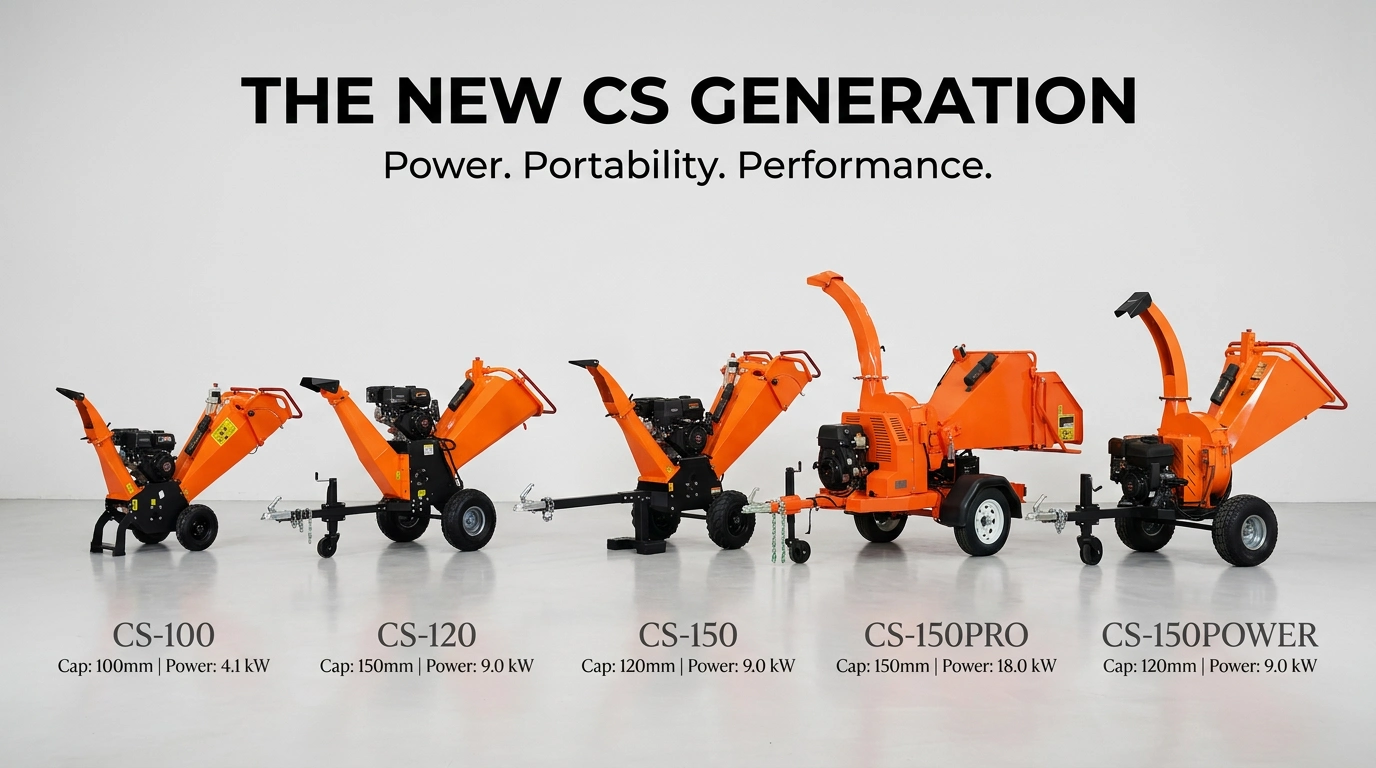
| MODEL | CAPACITY | POWER / ENGINE | START TYPE | SPEED | BEST FOR & KEY SELLING POINTS |
| CS-100 | 100mm (4″) | 4.1 kW / Loncin 196cc | Recoil (Pull Start) | 2400 rpm | Ultra-Portable Manual Push Ideal for small yards and dense gardening. Lightweight, fast cuts, and easy to store. |
| CS-120 | 150mm (6″) | 9.0 kW / Loncin 420cc | Recoil + Electric Dual Start | 2000 rpm | Best Value Champion Massive 150mm capacity, dual-start convenience, and trailer tow bar. Great for estate owners. |
| CS-150 | 120mm (4.7″) | 9.0 kW / Loncin 420cc | Recoil + Electric Dual Start | 2000 rpm | Mid-Sized Off-Road Beast All-terrain wide tires and a highly stable chassis for farms, forest areas, and rugged terrain. |
| CS-150PRO | 150mm (6″) | 18.0 kW / Loncin 764cc V-twin | Electric Key Start | 2000 rpm | Commercial Powerhouse V-twin high-torque engine. Chews through large, hard wood with ease. Built for professionals. |
| CS-150POWER | 120mm (4.7″) | 9.0 kW / Loncin 420cc | Recoil + Electric Dual Start | 2000 rpm | High-Discharge Direct Loading 360° rotating curved chute. Loads chips directly into trucks or trailers. High efficiency. |
Towable Mobility and Discharge Control
Pneumatic tires, a towable frame, and a ball hitch help move the unit around a property. The 360° chute can direct chips into a trailer, compost bay, or mulch pile. Good placement also saves shoveling later.
Should You Choose Electric Power or Electric-Start Petrol?
The names sound similar, but the machines suit different working patterns. An electric wood chipper uses an electric motor. An electric-start petrol chipper burns fuel and uses a battery-assisted starter.
Power Source and Starting Method
A true electric model suits fixed-site work, smaller material, and shorter sessions. A petrol unit can follow waste around a larger property without mains power. The CS-120 also keeps a recoil starter as a second option.
Noise, Maintenance, and Operating Costs
Electric machines are usually quieter and need less engine care. Petrol models require fuel checks, oil service, air-filter care, and proper storage. Do not compare purchase price alone. Add the hours spent pre-cutting, clearing jams, and hauling unprocessed waste.
A Workload-Based Buying Decision
Choose by the material that fills most of the pile. Light, straight pruning near power often favors electric equipment. Repeated thick branches, remote work areas, and long cleanup days support a mobile petrol machine with more working room. Leave some capacity in reserve.
Ready to Move Beyond a Small Electric Wood Chipper?
Choose from real branch samples, working hours, site access, and your chip collection plan.
RIMA Forestry Equipment Experience
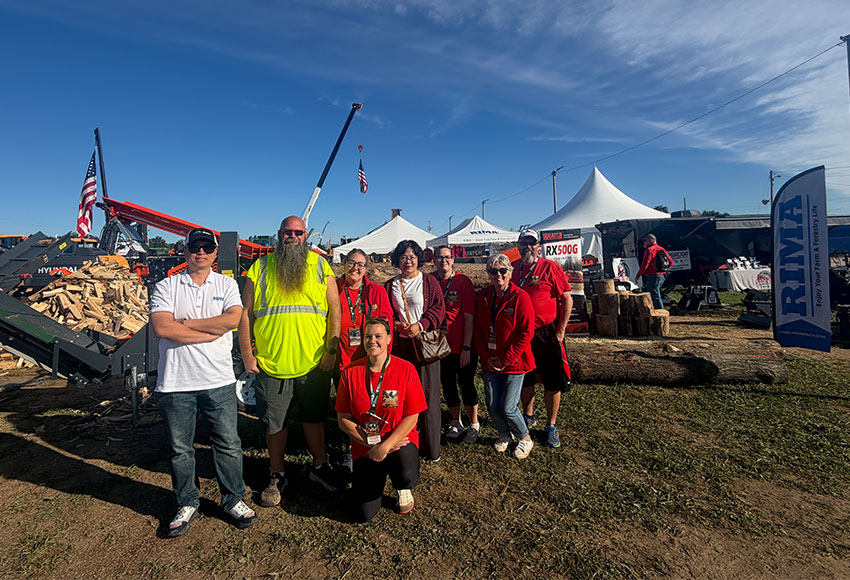
Choosing a chipper becomes easier when the manufacturer is willing to discuss the work rather than simply repeat a specification sheet. RIMA develops farm and forestry machinery for dealers, contractors, landowners, and professional operators, with products ranging from wood chippers and firewood processors to sawmills and log splitters.
Its engineering, production, inspection, and customization teams work within the same operation. That matters when questions involve branch size, transport limits, regional requirements, or OEM configurations. For buyers comparing a compact electric machine with a 150 mm petrol chipper, the conversation can begin with the wood, the property, and the expected workload instead of starting with whichever model happens to have the largest number.
Application Cases and Configuration Support
Specification tables are useful, but they rarely show how a machine fits into a working day. The company’s manufacturing and application cases provide a closer look at production processes, customer projects, factory visits, and equipment use.
Before asking for a recommendation, it helps to prepare a simple workload profile: the usual branch diameter, the percentage of forked or irregular material, expected operating hours, towing conditions, access width, and the intended destination for the chips. Those details give the manufacturer something practical to work with and make it easier to avoid buying too little capacity or paying for capability that will rarely be used.
Service and Contact Guidance
A chipper purchase should not end with the machine arriving at your site. Setup guidance, knife care, engine servicing, spare-part access, warranty terms and operator support all impact how useful a piece of equipment is after the first season.
The service team can review maintenance needs, customization options, regional configurations, and after-sales arrangements before an order is finalized. Once the workload and preferred setup are clear, use the contact channel to confirm technical details, pricing, production time, shipping, and local requirements. A focused discussion at this stage is far more valuable than choosing from diameter figures alone.
Conclusion
Choosing the right chipper comes down to the wood you handle most often, not the largest branch you may see once a year. An electric wood chipper suits light, local cleanup, while thicker limbs, longer workdays, and scattered sites call for more capacity and mobility. A realistic workload check will save time, reduce frustration, and lead to a better long-term purchase.
FAQ
Q: Can a 150 mm chipper process every branch that measures 150 mm?
A: No. The figure is a maximum. Wood species, knots, forks, blade condition, and feeding method all affect performance.
Q: Is the CS-120 an electric wood chipper?
A: No. It uses a petrol engine with electric and recoil starting. “Electric start” describes the starting system, not the power source.
Q: What should you measure before choosing a wood chipper?
A: Record the usual branch diameter, the share of forked or irregular material, total waste volume, daily working time, power access, towing needs, and the planned chip collection point.




LEAVE A REPLY