



CONTACT US

PRODUCTS

FOREST & FIREWOOD

FOREST & FIREWOOD

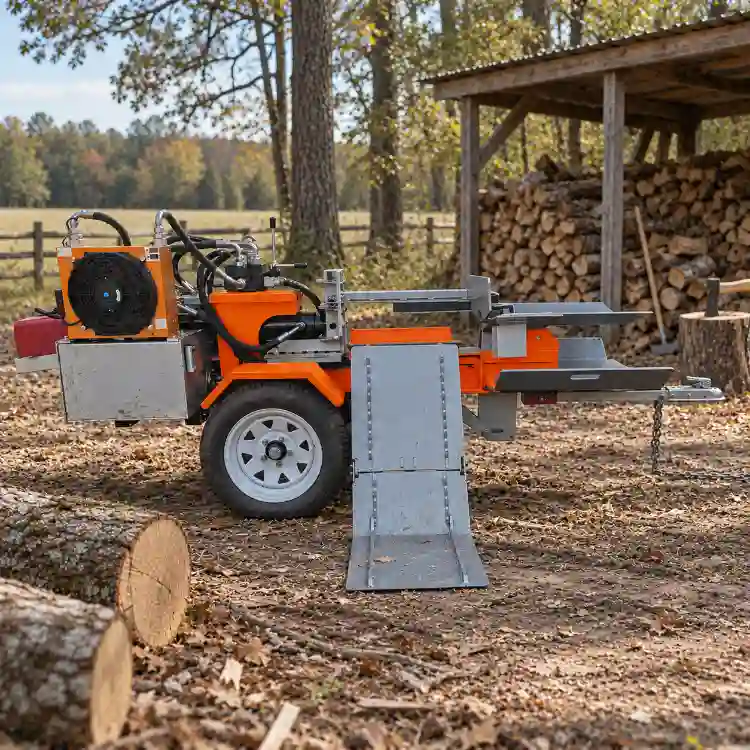
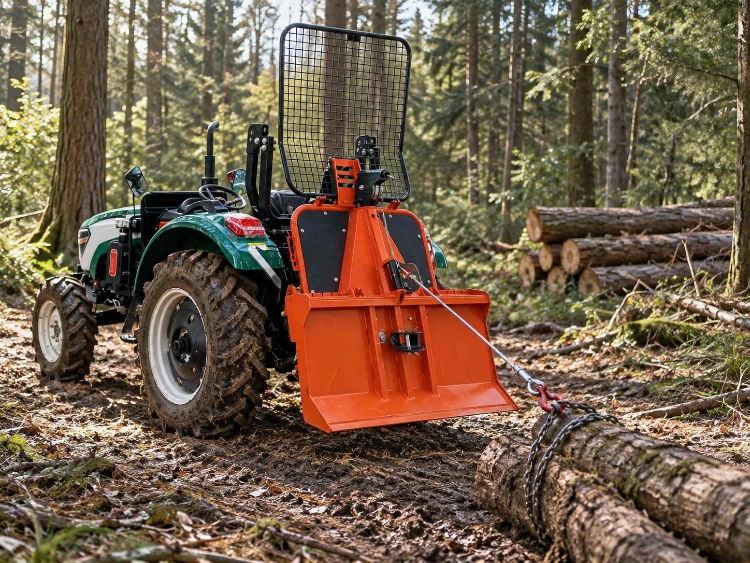
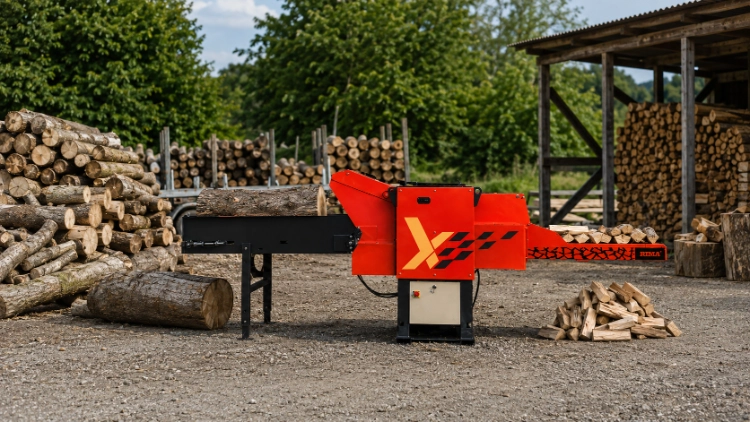
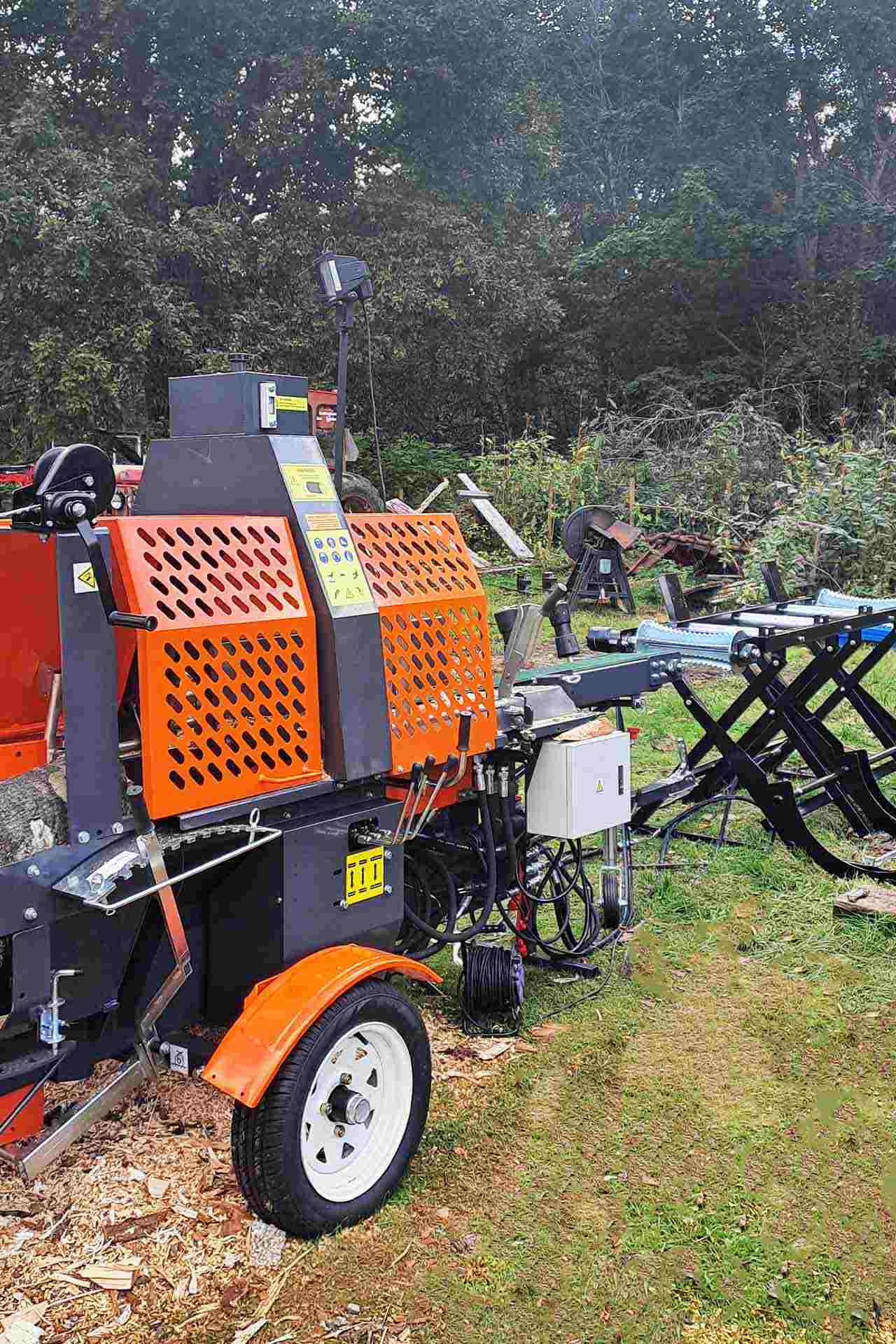
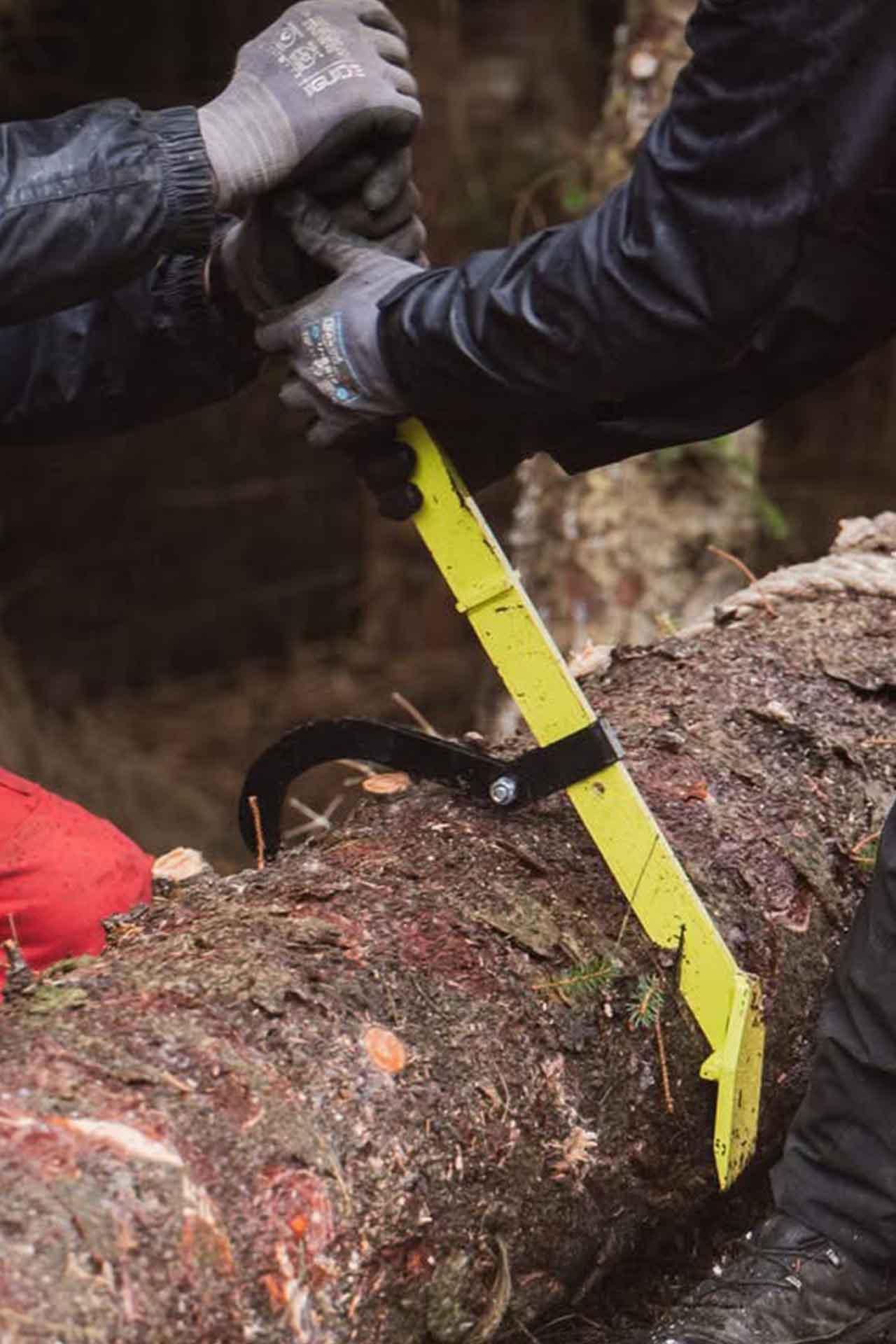
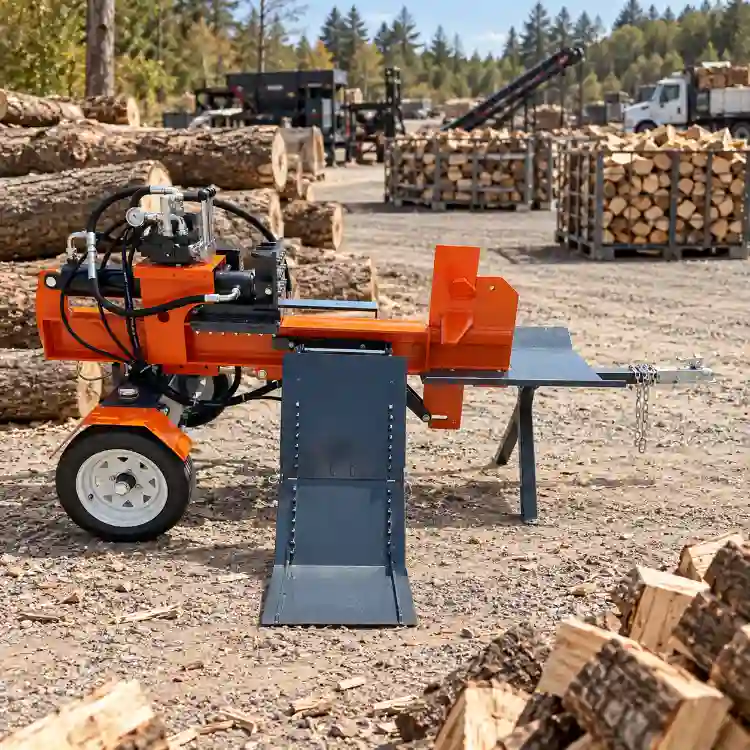
RIMA offers a complete line of forestry equipment engineered for logging, wood processing, and material handling. Our products include log splitters, log grapples, saw mills, and more — all designed to deliver reliable performance in demanding forestry operations. Whether for commercial or personal use, RIMA forestry machines ensure efficiency, safety, and precision in every task.
AGRICULTURE

AGRICULTURAL

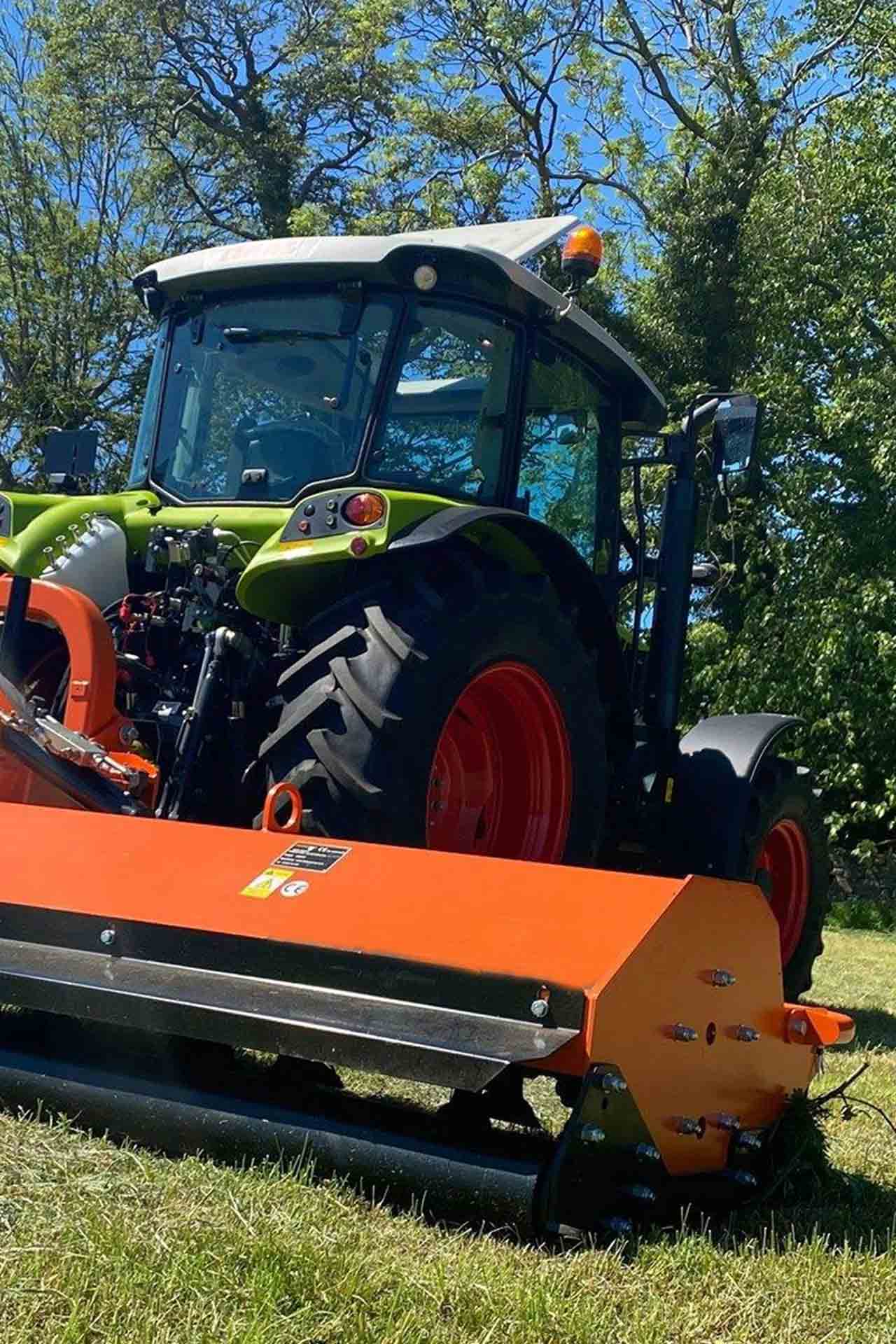
RIMA agricultural machinery is designed to make fieldwork easier, faster, and more efficient. Our range includes grass mowers, tillers, mulchers, and other essential farming tools ideal for land preparation, maintenance, and crop management. Built for durability and performance, these machines help farmers achieve higher productivity with less effort.
HYDRAULIC PARTS

HYDRAULIC

RIMA Hydraulic Parts are engineered for heavy-duty timber and stone-handling applications. Designed for stable hydraulic control, high load capacity, and long service life, our components ensure reliable performance when paired with stone grapples and timber grapples in demanding work environments.
CONSTRUCTION

CONSTRUCTION

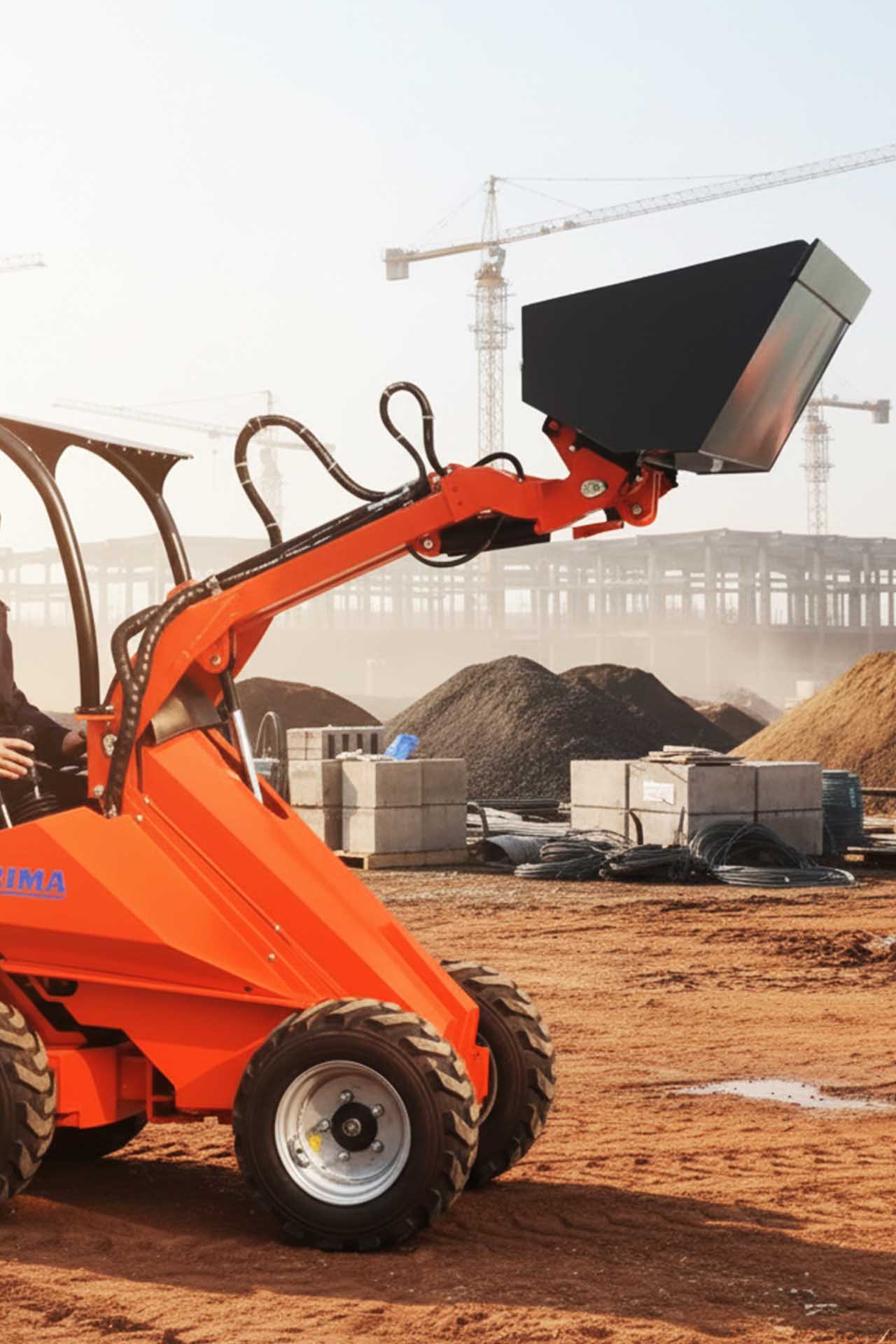
RIMA mini construction machines are compact, powerful, and versatile — perfect for small-scale projects and tight job sites. The lineup features mini excavators, mini loaders, mini cranes, and other multifunctional equipment to support construction, landscaping, and material handling needs. RIMA’s mini machinery combines performance with easy operation, offering great value for professional contractors and homeowners alike.
SNOW-BLOWER

ROAD /SNOW/ICE

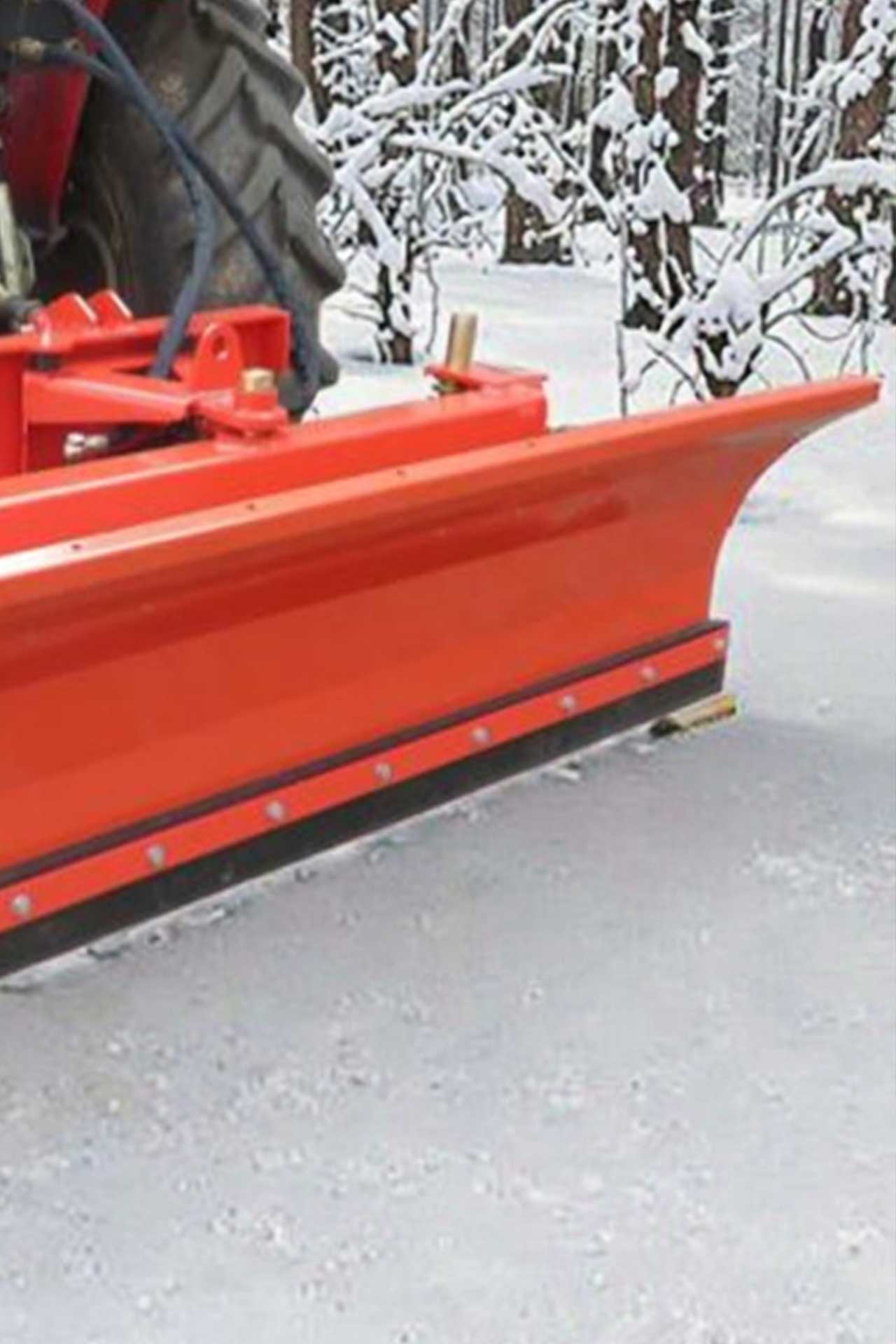
RIMA snow removal solutions are built to tackle harsh winter conditions. From snow blowers to snow blades, our equipment helps clear driveways, roads, and open spaces efficiently. With robust construction and user-friendly designs, RIMA snow equipment ensures safe and effective snow management all season long.
ATTACHMENTS

ATTACHMENTS

RIMA timber attachments are engineered for durability and precise fit. compatible and quality-tested, they simplify installation, boost handling efficiency, and ensure reliable uptime for forestry equipment.
- CLIENT FAQ

EVERY CLIENT QUERY

Here, we’ve carefully compiled the most frequently asked questions and concerns you encounter while using the product. Each answer is designed to be detailed and easy to understand, hoping to remove any obstacles and provide you with a smoother experience.

The three primary hydraulic pump categories are gear, piston, and vane. These convert mechanical force into fluid energy and are critical for industrial machinery operation.

Daily Maintenance: Remove sawdust and debris after every use to prevent buildup Inspect the blade before and after each job Replace or resharpen dull blades promptly

Log splitters serve as practical alternatives for oversized logs incompatible with processor dimensions. Standalone wood chippers and manual splitting tools remain viable for operations with intermittent processing needs.

Training: Operators should be trained and certified. Load Limits: Never exceed the recommended load capacity. Stability: Ensure the trailer is stable before operating the crane.

Maintain correct blade tension and tracking Use wrenches or screwdrivers to detach blades for inspection Inspect blades for signs of damage

RECENT
BLOG ARTICLES

From Log to Luxury: How To Create Custom Dimension Timber for Professional Builders

08
April
Achieving real efficiency in the forest requires more than just any ordinary tool. It necessitates a robust foundation in intelligent design. RIMA stands out as a leading manufacturer, connecting tough on-site challenges with skilled craftsmanship. The company serves customers worldwide, providing OEM and ODM support to regions such as North America and Europe. All this rests on its own research efforts and a capable crew that pays close attention to what users say. Strict 6S management guidelines and durable alloy metals ensure that no faulty equipment ever leaves the factory floor. This goes beyond simple transactions, focusing on comprehensive solutions that foster sustainable progress. The construction industry is highly competitive these days. Crafting Custom Dimension Timber distinguishes skilled craftsmen from mass producers. When operators process their own stock, they have control over the pattern, depth, and durability of each plank delivered to the site. The Growing Demand for Custom Dimension Timber in Modern Construction Design circles are currently undergoing significant changes. Today’s buyers are turning away from the plain, oven-dried planks sold at large retail stores. They look for personality, set sizes for solid frames, and distinct styles that on-site processing alone delivers. Market Shift toward Unique Hardwood Dimensions Store shelves are increasingly stocked with basic dimensions. Experts working on restoring old structures or building unique homes often find the stock of standard sizes insufficient. The demand for large floor panels and oversized supports creates a gap that only reliable sawing equipment can fill. Superior Strength and Aesthetics of Self-Milled Lumber Processing logs in-house allows operators to choose the best cutting techniques to highlight the wood’s inherent strength and beauty. They might angle the piece for even-grained planks that hold steady or keep natural borders for high-class room accents. Such top-tier finish rarely comes from regular vendors. High Profit Margins for Specialized Woodworking Projects Eliminating intermediaries transforms basic, inexpensive logs into premium timber. Gains from making tailored planks prove strong. Prices for custom hardwoods typically reach three to four times the price of the raw materials. High-Volume Professional Production with the RS36G-Deluxe Sawmill Operators who treat sawing as a business rather than a hobby find the RS36G-Deluxe Hydraulic Portable Sawmill to be the best fit. This unit suits cutters aiming to ease hand tasks while ramping up plank yields each day. Complete Hydraulic Log Handling and Turning System Hauling large logs can quickly wear out most workers. But this package shifts things with a full set of hydraulic tools, like a rotator, raiser, and firm holders. Simple pulls on levers flip a log or set it for the following slice. That way, shifts stretch longer without the ache of pure muscle work. Heavy-duty log processing capacity of up to 36 inches in diameter This gear goes beyond slim trunks. It handles cuts on pieces up to 36 inches wide and 20 feet in length. Operators count on it for forming hefty frames or flat slabs ideal for upscale eating areas. Powered Saw Head Controls for Rapid Industrial Output Precise work is combined with a brisk pace through powered adjustments. The saw head travels smoothly along the track, with powered up-and-down adjustments for accurate cutting. Built-in aids make each pass even. They support busy routines, even for those working alone. On-Site Versatility and Mobility with the RS18G Portable Sawmill Jobs pulling crews to out-of-the-way spots or cramped home lots demand gear that travels light yet still turns out Custom Dimension Timber. The RS18G Compact Sawmill puts together quickly and tucks away without fuss once work wraps. Lightweight Modular Frame for Rapid Field Deployment The flexible frame makes fieldwork much easier, with a single truck being able to carry it. One or two hands assemble it right by downed trees. The idea of hauling, cutting, and packing on the spot trims hours and costs tied to dragging loads elsewhere. Detachable Sawhead for Compact Workshop or Garage Storage Tight quarters challenge many workspaces. The detachable saw head can be rolled into a barn or carport for convenient storage. It shields the setup from rain and sun during off periods. Cost-Effective Production of Custom Boards and Fencing With full power, it can shape 18-inch logs into slabs with widths of up to 16 inches. Against plain chain setups, it doubles the pace and cuts scraps by two out of three. This makes it an ideal starting choice for professionals seeking reliable work in confined spaces. Technical Standards for Achieving Architectural Grade Quality Creating custom dimension timber that meets design specifications requires more than just sharp cutting skills. Gear must keep a straight path amid the load of thick hardwoods. Heavy-Duty 4-Post Carriage and Precision Linear Guides Firm footing counters blade drift. A sturdy four-post frame paired with accurate rail paths holds the cutter steady through each run. Boards end up even edge to edge basically. This cuts down hours needed for final smoothing. Advanced Blade Tensioning and Automatic Lubrication Systems Hassle-free edge swaps rely on built-in pulls that keep wheel lines true. On top, self-running oil flow chills the cutter and clears sticky resin. It lengthens use and smooths the end result. Why RIMA is the Premier Global Partner for Professional Builders Wins in wood gear fields come from metal quality and plant discipline. Business investments call for allies who stick to high marks. High-Strength Alloy Steel and Professional Hand Welding Lasting build starts with core stuff. These setups draw on dense sheets from solid suppliers and brought-in tough liners. Vital links receive skilled torch joins and backups. They top common gear in frame toughness. Strict 6S Factory Management and Quality Control Systems Uniform ways mark peak setup. Tight 6S rules—sort, clean, set, hold, safe, and order—build a steady, smooth making space. Each piece is thoroughly checked before shipment to ensure that no defects reach the customer. Extensive OEM and ODM Services for International Markets Solo hands or major sellers across Europe or North America access made-to-order fixes. Own development groups check plans for workability. They confirm setups align with local guidelines and job needs. Durable parts ensure smooth operation in custom dimension timber production. Elevate Your Construction Business with RIMA Professional Solutions Expansion in building means stepping from sweat work to smart, all-in-one kits that grow reach steadily. Comprehensive One-Stop Equipment Solutions and Support Saws form the base. Shops might later add wood breakers, trunk dividers, or lifts. One ally supplying the lot smooths the full path—from drop to last trim—under one expert group. Real-World Case Studies of Successful Forestry Operations Glances at how others fine-tune their lots yield key takeaways. The RIMA Cases spot lays out how crews around the globe put these tools to work. They boost their hunt for smoother ways and stronger yields. Expert Consultation for Custom Industrial Machine Design Odd job specs deserve spot-on matches, not near misses. Explore RIMA Services details how tweaks fit factory demands. It assures the precise kit for each role. Shaping prime Custom Dimension Timber traces a path from rough stock to fine pieces. It hinges on fitting tools. The raw force of the RS36G-Deluxe suits heavy lifts. The handy range of the RS18G fits quick shifts. Output caps rest solely on picked gear. Details on streamlining yields or chatting setup options await at Contact Us now. FAQ Q: Can I really cut any size of wood with a portable sawmill? A: No, that is not quite the case. While portable sawmills offer a lot of flexibility, you are always limited by the specific hardware you are using. The saw can cut timber into different sizes depending on the needs. The maximum cutting diameter can be seen on the product page. Q: How difficult is it for a single person to operate a large hydraulic sawmill? A: Much simpler than by-hand cuts. Outfits like the RS36G-Deluxe lean on complete fluid aids. The unit handles raises and spins, paving easy solo shifts. Q: What kind of maintenance do these sawmills require to stay accurate? A: Everyday care runs simple. Sharpen cutters with tools, hold tensions right, and check the blade lubrication system to dodge resin piles. Off-the-shelf bits like rollers stay handy to trim stop times.  

How to Choose a Log Splitter for Tough Hardwoods like Oak and Hickory

01
April
It is a scenario every commercial operator knows all too well: standing before a massive round of seasoned Hickory only to have your equipment falter. It’s the classic “Hardwood Headache.” If you run a commercial firewood business or manage large woodlots with thick timber, you can’t waste time on a device that doesn’t have enough power to complete the job. Processing these species demands more than just basic hydraulic force. It requires a combination of high – powered strength, rapid hydraulic action, and robust build quality. At RIMA, the main goal is to offer complete forestry tools that turn demanding jobs into efficient operations. By utilizing premium materials like reinforced steel plates and high-strength, wear-resistant steel, the gear is built to exceed standard industry durability. When facing nature’s toughest wood fibers, selecting the right equipment is the ultimate differentiator. The Reality of Processing Oak and Hickory Handling hardwoods is a whole different task from splitting softwoods like Pine or Cedar. Types like Oak and Hickory rank much higher on the hardness list, making their interlocking fibers incredibly difficult to penetrate. If your device lacks power, the wedge will penetrate slightly before stalling, which means you have to pull out a stuck log by hand. That process is both risky and tiring. Recognizing Fiber Density and Knots Dense hardwoods possess a high Janka rating, translating to a significant requirement for splitting force. Knots act as structural resistance points, often needing the full power of a machine to cut through without stopping. Basic home splitters, usually rated at 20 tons or less, often give up when they meet the twisted grain in old Hickory logs. The Impact of Moisture and Seasoning Seasoned hardwood is drier and splits more cleanly, but dense grain and knots still require high force, so it needs a sharp, powerful wedge for a neat split. Fresh Oak is heavy and full of water, which increases the physical burden and exacerbates operator fatigue during manual handling. Critical Factors for High-Force Splitting When you search for a device to handle business-level hardwoods, you should ignore the bright colors and focus on the technical specifications that drive wood processing performance. You want a machine that does not only push but keeps going strong. The 37-Ton Benchmarking Standard For serious wood workers, a 37-ton class splitter is widely regarded as a high-performance choice for commercial hardwood processing. The LS37PRO is engineered specifically for high-intensity tasks, delivering a massive 37-ton splitting force that can manage logs up to 610mm long. This high tonnage ensures the machine maintains consistent pressure, even when powering through the most stubborn knots in Oak or Hickory. The structural integrity of this series is supported by a reinforced chassis engineered to prevent deflection under maximum load. Pump Efficiency and Cycle Times Shear force is ineffective without speed; you need a hydraulic system that delivers rapid cycle times engineered for high-volume, continuous production. While the standard LS37PRO utilizes a high-efficiency 2-stage pump, the LS37PRO-T takes it a step further with a enhanced high-flow hydraulic system, ensuring smooth ram movement even under heavy load. A rapid cycle time, as low as 5.5 seconds, significantly increases your hourly cord production compared to conventional single-stage setups. This strong performance comes from work-grade engine choices, like 14HP or 24HP electric-start gas engines, providing reliable power for independent operation on off-grid jobsites. Maximizing Productivity Through Ergonomics If you have worked a full day over a log splitter, you realize that the “pain point” is often literally in your lower back. When you deal with heavy Hickory logs, ergonomic design is a prerequisite for operational efficiency. It is essential for reducing labor intensity and preventing operator injury. Hydraulic Log Lifters and Multi-Way Wedges Manually lifting a 100kg Oak log leads to rapid operator fatigue. Equipped with 200kg-capacity hydraulic lifters, RIMA log splitters take the heavy lifting out of the job. With the log in place, a 4-way hydraulic box wedge lets you break a round into four even parts in one go. Heat Management for Continuous Operation Processing dense hardwood generates significant friction and heat in the hydraulics. These units come standard with integrated hydraulic oil coolers to mitigate overheating and ensure system stability during high-intensity summer shifts. A bigger hydraulic tank size, like the 50L ones in the PRO line, keeps temperatures even and work steady. Even heat levels guard your seals and pump, extending the service life of your investment. Versatility in Terrain and Mobility Performance matters most where the logs are. Whether you’re working on a level yard or in a dense forest, choose a model that matches your specific mobility needs. Towable Axles vs. Track Systems Need to move fast? A torsion axle and 14-inch road tires provide the stability and safety you need for quick, worry-free transport between sites. The LS37PRO-T offers a different approach, featuring a durable track system designed for unmatched stability in rugged, uneven environments. Track setups offer a larger ground contact area and lower ground pressure, which is important to keep the machine from sinking into loose dirt while handling heavy hardwood logs out in the open. Why RIMA Engineering Makes the Difference Picking a log splitter goes beyond just looking at lists of features. It is about relying on the build process that occurs out of sight. RIMA blends its own research and development with careful checks, ensuring every unit delivered is fully field-ready upon arrival. Standardized Manufacturing Excellence The factory implements a rigorous 6S management system, which includes Sort, Shine, Standardize, Sustain, Safety, and Organize, to ensure zero-defect delivery. Our comprehensive pre-shipment testing guarantees trouble-free operation, so you can put your equipment to work immediately without worry. Professional hand-welding and high-density industrial coatings ensure superior corrosion resistance, even when exposed to the harsh elements for extended periods. Customization and Global Support Recognizing that every woodlot environment is unique, RIMA provides tailored engineering solutions (OEM/ODM) to fit certain local or tech needs. Our dedicated R&D team refines the product line annually based on real-world operator feedback, ensuring our technology evolves alongside market demands. No matter if you are in North America or Europe, you can reach a professional service network for help with tech issues and replacement parts. Conclusion and Next Steps Selecting a log splitter for Oak and Hickory demands an investment in equipment that respects the density of the wood. By going for a 37-ton work-grade model, you are not just buying a tool; you are investing in a high-performance system that lowers effort, boosts safety, and ensures your firewood production remains profitable. The LS37PRO series shows the best of this build idea. It mixes strong push, easy lifters, and fast cycles, ensuring it is ready to outperform the competition and conquer your most challenging logs. Contact Us Today If you are ready to upgrade your forestry fleet or need a full price list for large buys, our skilled team at RIMA is here to help. We assist you in navigating the precise technical requirements… ensuring you acquire the high-performance machinery your operation demands. Visit our Website: Look at the whole set of wood processors and tree tools. Request a Quote: Receive exclusive pricing and shipping logistics tailored to your location. Technical Consultation: Talk with our research group about changes made just for your wood problems. Frequently Asked Questions Q: Why is a 37-ton log splitter necessary for processing species like Oak and Hickory? A: Dense hardwoods have high Janka ratings and internal knots that act as structural anchors, often causing standard 20-ton residential splitters to stall or halt. The LS37PRO series is specifically engineered for this level of intensity, delivering a massive 37-ton splitting force that ensures the machine maintains consistent pressure even when encountering the most stubborn grain patterns found in Hickory rounds. This raw power prevents the common “Hardwood Headache” where a wedge becomes stuck in a dense log. Q: How do ergonomics and specialized attachments increase hourly firewood production? A: Manual handling of heavy hardwood rounds leads to quick operator fatigue; RIMA professional splitters address this with hydraulic log lifters capable of raising logs up to 200kg. Furthermore, the hydraulic 4-way box wedge allows you to split a round into four uniform pieces in a single stroke. This one-step method dramatically reduces the number of times you must handle the same piece of wood, which can double or triple your hourly output while protecting your back from injury. Q: What is the difference between the LS37PRO and the LS37PRO-T regarding site accessibility? A: The choice depends on your specific work environment. If you need to shift between work spots quickly, a model with a 14-inch high-speed torsion axle is essential for stability and safety during towing. However, the LS37PRO-T features a reinforced track system designed specifically for unmatched stability in rugged, uneven, or bumpy places. These tracks provide a wider ground contact area, which is vital for preventing the machine from sinking into soft or wet soil while handling heavy hardwood rounds out in the open.  

Why Automated Firewood Processors are the Only Cure for 2026 Labor Shortages

25
March
As you think about the field of the forest and firewood business in 2026, you probably face a problem that has changed from a small bother to a major work issue: the serious lack of steady hand labor. The era of relying on seasonal crews willing to endure the physical toll of traditional wood processing is rapidly coming to an end. Labor costs continue to climb, but the number of workers ready to take jobs keeps getting smaller, which leaves many business runs at a key turning point. To keep making money and fill the growing world need for green wood heat, you have to change your plan. For your company to do well in this setting, automation is no longer a luxury; it has become a fundamental necessity for business survival. RIMA has seen this change in the business coming by building strong machines that swap hand groups for machine exactness. By shifting from a way that needs hand work to one run by systems, you can steady your making costs and greatly boost your daily amount. The Unsustainable Cost of Manual Labor in 2026 If you still rely on manual labor, your profit margins are likely under siege. Hand work in the firewood area brings several hidden costs that build up quicker than most runners notice. Fatigue and Output Inconsistency Human productivity naturally declines over an eight-hour shift due to fatigue. As tiredness comes in, the rightness of cuts falls and the pace of cutting slows. This brings uneven wood sizes, which can push away top buyers who want same-round pieces for auto heaters or fine fire spots. Rising Insurance and Safety Risks Hand log moving is by nature risky. The chance of back hurts, wood chips, and smash accidents stays high with hand tools. In 2026, this turns into higher insurance fees and possible stop time that a current business just cannot pay for. In comparison, an auto firewood machine keeps the runner at a safe spot from the cutting and splitting move, often in a guarded control area. High-Volume Commercial Success: The Firewood Processor WeMax400 When your main aim is to get the most cords made per worker-hour, you need a machine that does the hard jobs without getting slower. The Firewood Processor WeMax400 is made just for this kind of business-size hard work. It fixes the worker lack by making auto the parts of the making cycle that take the most time. Industrial-Grade Speed and Efficiency The primary value proposition of the WeMax400 lies in its rapid 7-second cycle time. While a hand worker is still setting one log in place, this machine has already cut, split, and sent a piece onto the out belt. Max Log Diameter: 40 cm (15.7 inches) Max Log Length: 61 cm (24 inches) Engine Power: 14HP Kohler Gasoline engine with electric start This size lets you deal with big, odd-shaped logs that would usually need several workers to handle, which really brings your worker group down to just one runner. Integrated Material Handling A usual block in hand runs is shifting the done product. Without machine help, you need more staff just to pile or load cut wood into trucks. The WeMax400 eliminates this bottleneck through its integrated 3.2-meter firewood conveyor. With a 250 mm belt width and a hand winch for height change, it lets the machine put finished wood right into a send truck or store bags. By automating material handling, you effectively reduce your payroll requirements by replacing manual labor with mechanical efficiency. Overcoming Terrain Barriers: The RM7-12TS/20TS Automatic Model While fixed units are great for yard jobs, your run may need you to work wood in deep forests, on sharp hills, or in soft ground where old vehicles have trouble. For these places, the RM7-12TS/20TS Automatic Model gives the best worker-saving move. Superior Mobility with a Tracked Chassis The key part of this line is its track base, which measures 1230 mm by 940 mm. Unlike wheel machines that sink in mud, these tracks let the machine cross challenging terrains with a top allowed slope of around 30°. Instead of paying a group to hand pull logs out of a deep spot to a main land area, you can take the RM7 right to the wood. This move cuts hours of hand pulling and winching, which are the hardest body parts of forest work. Automated Precision and Power Machine work is the center of the RM7 line. These types have an “Auto” saw setup with an 18-inch first STIHL chain saw, giving clean and fast cuts with a saw motor at 4800 rpm. Specification RM7-12TS RM7-20TS Splitting Force 12 Ton 20 Ton Cycle Time 7 Seconds 8 Seconds Cylinder Bore 3.2 inch 4 inch Standard Wedge 4-way (Optional 6-way) 4-way (Optional 6-way) The RIMA Advantage: Why Engineering Matters in 2026 Selecting the right equipment is a strategic investment in your company’s long-term viability. RIMA stands out because the main point is on how long the stuffs last and how exact the making steps are. When workers are few, you cannot pay for gear stop time. High-Strength Materials and Hand-Crafted Quality RIMA machines are constructed using high-strength, wear-resistant steel plate from known makers, plus brought-in strong, rub-proof sheets. Every key join has pro hand welding and special thick paint to stop rust in rough outside places. From starting with good add-ons, each item is carefully changed, ensuring its durability and reinforcement are far superior to industry standards Strict Quality Control and Standardization Every machine that goes out of the plant faces rigorous testing to guarantee no defective units get to your place. The plant uses a tight 6S way to run things, which is Sort, Shine, Standardize, Sustain, Safety, and Organize, to keep a high level of set quality. This promise to set ways means that when you get a RIMA machine, you have one made to work just as said, day by day. Independent R&D for Future Needs RIMA keeps its own design and study group that keeps making products better based on what users say. This makes sure your gear is not just for today’s problems but set to fit the changing needs of the 2026 field. Whether it is adding new auto steps or raising the cutting push of a liked type, RIMA works hard to put out two or more new items each year to keep you in front of others. One-Stop Solutions and Global Service In 2026, you do not just need a machine; you need a helper. RIMA gives full fixes for farm and forest gear, acting as a maker and seller for buyers around the world. Customized OEM and ODM Services RIMA offers special OEM and ODM help to buyers in Europe and North America, like Germany, France, Britain, and Canada. If your exact run needs special changes, the pro tech group is ready to talk about your wants and check if custom plans from your drawings can work. Certified Performance RIMA’s wood machines, log cutters, and log belts have pro field papers, making sure they follow world safety and work rules. This follow gives you calm that your money put is safe, right by law, and good at work. Responsive Support The RIMA group works on steady bettering, not only in item worth but also in their after-sell help setup. Skilled workers are always there to answer fast to your tech questions, making sure your gear keeps top run time during your hardest work times. Contact RIMA Today Fixing your worker lack does not mean finding more people; it means finding better machines. By putting RIMA’s auto machines into your work flow, you can make your business safe from the going-up costs of hand work and set yourself as a top in the 2026 wood heat field. Go to the main website to look at the full line of forest fixes or get in touch with the sell group right for a custom price. Take the first move toward a better, money-making, and machine-run tomorrow. FAQ Q: How much firewood can a RIMA processor typically produce in a single shift? A: The amount out depends on the exact type and log kind. But, the WeMax400 and RM7 line have cycle times of 6–8 seconds. In a business place with steady log flow, an auto RIMA machine can do much better than a 3-person hand group, often making many cords of same wood per day with one runner. Q: Is the RM7-20TS stable enough to operate on steep gradients without the risk of overturning? A: The RM7-20TS is made on a wide track base (1230mm x 940mm) set for steady hold. It is set for a top allowed slope of 30°, which makes it very good for work on hill sides and banks where wheel vehicles cannot run safe. Q: What kind of maintenance is required for the automated saw systems? A: RIMA machines are set for easy care. The RM7 line uses good STIHL chain saws, and many types have an auto saw oil setup to make the bar and chain last longer. Regular looks at Hydraulic system fluid levels and saw sharp are the main needs for keeping long trust.  

A Buyer’s Guide: Top 7 Features to Look for in a Commercial Firewood Screener

18
March
As a commercial firewood producer, you know customer expectations are higher than ever. They want wood that burns well and produces little smoke. Cleaning your firewood matters a lot because it helps the wood dry faster, burn efficiently and cleanly, and have a more uniform appearance. Supplying wood full of soil, loose bark, and sharp pieces damages your reputation and cuts into your earnings. On the other hand, the small bits of wood gathered during screening can be reused as starter material, which creates an additional revenue stream. To achieve this quality at scale, manual sorting is no longer viable. Investing in an automated screening system is essential. Picking the best one means checking certain design elements that affect daily output and operational cost. This guide looks at the main seven features to focus on when buying a commercial firewood screener, so you can choose something that helps your business grow. 1. Powerful and Versatile Drive Systems How well your whole setup works depends a great deal on the power that moves your machine. Machinery that bogs down under heavy workloads quickly becomes a bottleneck. You need a drive setup that gives steady power and can fit into your particular work area. Multiple Power Source Options When evaluating screeners, look for models that offer different power choices to match your needs. The 251016 – 251017 and 251018 commercial screener offers great flexibility. You can run the equipment with a 7HP engine power unit, an electric motor, or tractor hydraulics. For remote, off-grid locations, the 7HP gasoline unit lets you operate independently. For jobs in a fixed location, the 0.55KW electric motor choice provides quiet, emission-free power. Consistent Performance Under Load In a busy commercial yard, your equipment faces heavy workloads. If you pick the tractor-driven type, the setup runs at a strong hydraulic pressure of 18Mpa, ensuring the rollers maintain their momentum even when handling heavy hardwood. This consistent power delivery prevents stalling and keeps your work flowing well all day long. 2. High-Efficiency Vibrating Roller Design The cleaning mechanism directly dictates your final product quality. While older designs rely on simple gravity, advanced models utilize active agitation to knock debris loose. Optimal Debris Removal For the best cleaning results, choose machinery that uses vibrating rollers to handle the firewood easily. This design is highly aggressive on loose bark and dirt, yet gentle enough to avoid splintering the good wood. This roller setup fits best for screening firewood shorter than 50 cm, which includes most common cuts for homes and businesses. Durable Sifting Area Construction Since you will load tons of wood onto the machine every day, the sifting area must be expansive and built to last. Top models have a big screening area of 2560x545mm. Plus, adding 16 sets of discs ensures each piece of wood is thoroughly agitated and cleaned before being discharged. High Throughput Capacity Your screening tool has to match the speed of your wood splitters. A strong vibrating roller system works well when paired with a few firewood processors at once. This setup lets you send wood from a high-capacity splitting line or dual-lines into one screener, which cuts down on the number of machines you need and keeps your output high each hour. 3. Dimension Flexibility and Easy Placement Room can be tight in active wood yards. Your machinery should be big enough to handle lots of work but built smartly so it doesn’t block your loaders or trucks. Compact Overall Footprint Pick a machine with a simple shape that saves space. Pro models do this with a total width of 1500mm and a length of 5700mm. This size gives enough length to clean the wood well without wasting room in your yard. Adjustable Stand Heights Each wood yard has its own layout. Being able to adjust the height of your equipment is key. Good screeners have an adjustable stand height from 860mm to 1760mm, and an overall height that goes from 2155mm to 3020mm. This range in height means you can line up the input just right with your current splitters. 4. Seamless Workflow Integration Automation only maximizes ROI if the machines integrate seamlessly. Your new screener has to link smoothly between splitting tasks and final storage or shipping plans. Eliminating Double-Handling The aim is to handle the wood as little as possible. Modern machines let you move the firewood to the screener right from the production line or straight from bags or front loaders. This flexibility means you don’t have to change your whole process to add the new tool. Easy Rescreening Capabilities Seasoning causes wood to release additional debris. A smart system allows you to screen the dried wood again if needed. Cleaning the dried firewood cuts down on loose bits that come out during drying, ensuring your customers receive a premium product. Advanced Conveyor Systems To shift the finished wood quickly, an output conveyor is a common add-on since it easily transports firewood to an elevated location. Strong models come with a large 3000x420mm outfeed conveyor. You can also change the outfeed conveyor angle by up to ±15° and tweak the outfeed conveyor speed to fit your loading needs exactly. 5. Robust Build Quality and Material Longevity Heavy machinery represents a major capital investment. You need to make sure the tool is built to last through years of rough daily use outside in tough weather. Industrial Steel Frames Seek out machines made with thick steel sheets from trusted makers and imported tough steel plates that resist wear. Solid building methods, like skilled hand welding, prevent the frame from flexing or cracking under constant vibration. This tough build shows in the machine’s weight; for example, the gasoline model with the conveyor tips the scales at 1015kg. Protection Against the Elements Because firewood processing is a year-round operation, your equipment will face rain, snow and corrosive tree sap. Look for machinery finished with a heavy-duty industrial coating. This serves as a shield, preventing rust from compromising the machine’s structural integrity over time. 6. Operational Simplicity and User Safety Complex machinery often leads to operator errors, requires longer training times, and increases the risk of workplace injuries. The top tools for business are made for easy handling. Simple Setup and Control Your workers should focus on handling wood, not deciphering complex manuals. Gear with basic hydraulic controls or plain engine units makes sure people at any skill level can start and stop safely. Being able to adjust the conveyor speed fast matches your team’s capabilities. Low Maintenance Requirements Downtime severely impacts profitability. Choosing a design with lasting vibrating rollers and top hydraulic parts means fewer small pieces that need checking every day, so you spend less time on fixes and more on production, which keeps everything running smoothly over the long term without constant worries about breakdowns. 7. Brand Reputation and Professional Support Buying heavy equipment means starting a lasting tie with the maker. You need to team up with a firm that backs its work and gives ongoing help. Proven Manufacturing Standards It’s key to select a provider that sticks to tight checks on quality during all production steps. A manufacturer utilizing the 6S management system… ensures every unit shipped meets the highest operational standards, giving you confidence in every part from start to finish. Global Experience Working with an established global supplier provides peace of mind. RIMA offers OEM and ODM service to Germany, France, Britain, Italy, Sweden, Canada, US and other countries. Our goal is to provide one-stop solutions for customers worldwide. Partnering with an established global manufacturer guarantees reliable equipment, responsive technical support, and machinery optimized for superior durability. FAQ Q: What is the maximum length of wood I can put through the vibrating roller screener? A: The vibrating roller mechanism is specifically engineered and best suited for screening firewood less than 50 cm long. This size ensures that the wood makes proper contact with the 16 sets of discs to knock off all loose bark and dirt effectively. Q: Can this equipment be used to clean seasoned wood right before delivery? A: Yes, the design easily enables re-screening of the dry firewood, if necessary. You can load the machine directly from a sack or front loader. Cleaning the dry firewood minimizes wood debris, which is often released in the drying process, ensuring your customers receive a premium product. Q: Do I need a tractor to operate the commercial screener?  A: No, It doesn’t only work with tractor hydraulic but can with variety powers. You can power the machine with a 7HP engine power unit, an electric motor, or tractor hydraulics depending on what works best for your specific yard setup.  
Products
Contacts
WhatsApp
Email