




1st July 2026
Portable Sawmill Service for Storm-Damaged Trees: How to Turn Fallen Logs into Valuable Lumber
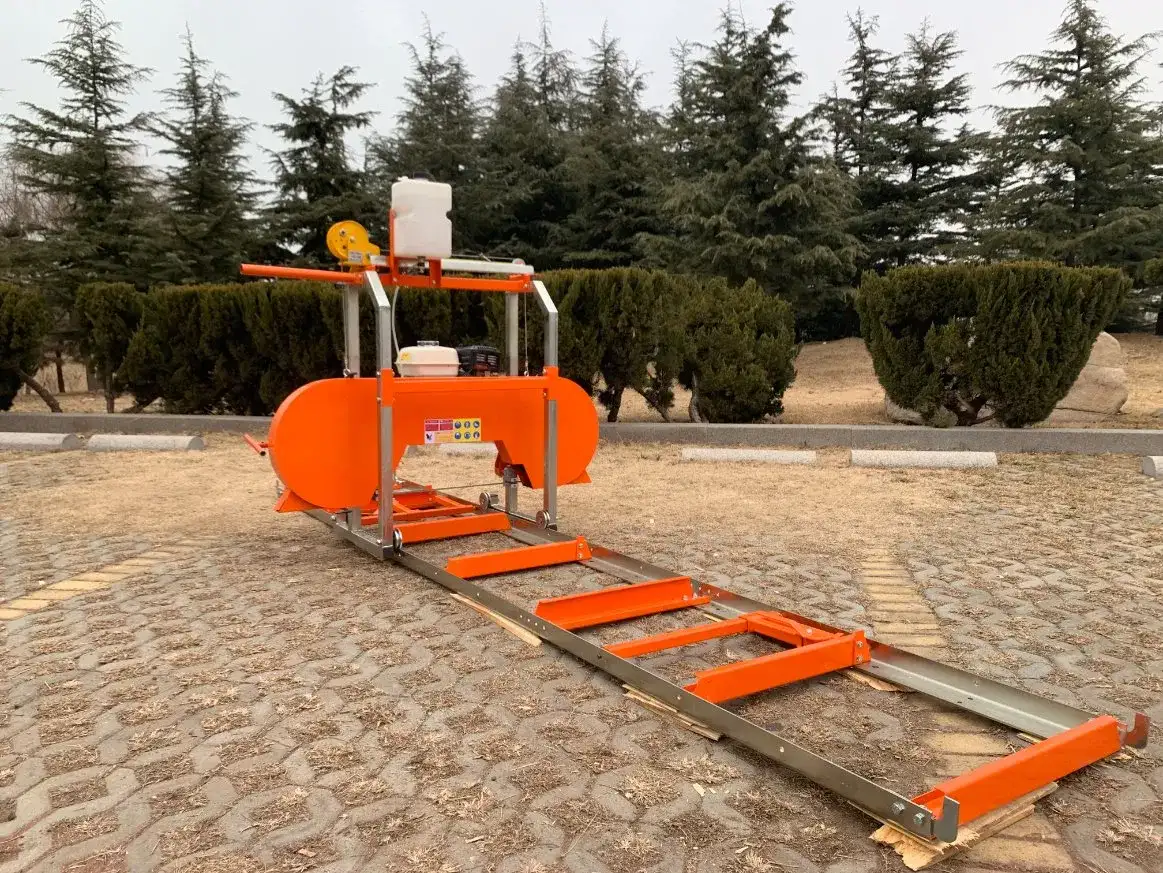
Cleaning up a property after a massive storm blows through usually leaves folks staring at a tangled, frustrating mess of heavy trunks and snapped branches. Paying a local crew to haul everything to the dump gets ridiculously expensive fast, and chopping a perfectly solid oak trunk into standard firewood rounds often feels like a massive waste of perfectly good material. A portable sawmill steps in right here to give those battered trees a totally different second life.
Rather than dragging massive, muddy logs down the highway to a stationary commercial mill, you process that usable timber right near the spot it hit the dirt. People typically imagine all sorts of raw materials waiting to be plucked from trunks of trees—fence boards rough-cut from trees, lumber for a new tractor shed, workbench tops, live-edge slabs so highly prized. The goal of rural landowners, of farm managers, and of independent sawyers is to cut up those logs into straight, dry, usable boards to be used as building materials, to reduce the number of trips required to transport them and to reduce the wood that would otherwise be wasted.
Why Does Portable Sawmill Matter After Storm Damage?
Trees knocked down by severe weather almost never land in convenient, flat spots. They crash across back pastures, block gravel driveways, or smash down right behind agricultural buildings where a heavy truck simply cannot reach them. If you attempt to drag whole round logs out first and mill them weeks later, your operating costs shoot up way before a single board even gets cut.
On-Site Log Recovery
Running a portable sawmill makes the most sense when the timber is simply too good to run through a commercial chipper but way too heavy to move twice. Setting up the mill right near the fall site cuts out most annoying loading time and saves your utility trailer from taking a severe beating to a large extent. It literally saves the day when a property features tight gates or the ground is nothing but deep spring mud.
Higher Lumber Value
Logs dropped by high winds can still yield excellent lumber, provided you inspect and cut them before the bugs move in and deep decay takes over. Straight trunk sections easily turn into boards for fencing, raised garden beds, or general shop stock. The wider cuts might become thick slabs for custom dining tables and high-end counters.
Faster Site Cleanup
When you mill logs right there on the property, the whole cleanup operation gets much more organized. The property owner can then neatly stack flat boards instead of hoarding massive round logs that just sit there cracking, rotting, and attracting annoying powderpost beetles. It evolves into a smarter, cleaner way to manage ruined timber.
How Can Fallen Logs Become Valuable Lumber?
A profitable milling job actually starts well before the saw blade ever touches the bark. You have to figure out which logs are genuinely worth saving, decide exactly what dimensions to cut, and plan how the fresh boards will be stored after the sawing stops.
Log Sorting and Inspection
Not every downed tree belongs on a sawmill bed. Trunks with deep heart rot, severe twist, hidden embedded metal, or massive stress cracks will just waste your time and dull your expensive equipment. The best candidates have solid wood, a manageable girth, and decent usable length.
Cutting Plan for Boards and Slabs
The smartest cut always depends on what the wood will ultimately become. Basic fence boards require a totally different thickness and surface finish compared to a high-end live-edge tabletop. Farm repair jobs usually need practical, beefy dimensions like true two-by-fours, while custom woodworkers are constantly hunting for extra-wide slabs showing off the natural bark edge.
Drying and Storage Preparation
Freshly milled boards, often called green lumber, are nowhere near ready for building furniture. They desperately need stickers placed between each layer, plenty of airflow, a bit of shade, and total protection from ground moisture. Keep the foundation of the stack perfectly level, throw some heavy weight on the top layer to prevent cupping, and leave enough breathing room for the wind to do its job.
What Should You Look For in a Portable Sawmill Service Setup?
If you want to start offering milling services after bad weather rolls through, or if you simply want to buy your own machine to manage a farm or private woodlot, the equipment needs to meet a few strict criteria. The sawmill has to be easy to tow or carry, rock-solid while the blade is spinning, and quick enough to make processing each log actually worth the sweat.
Cutting Capacity and Log Size:
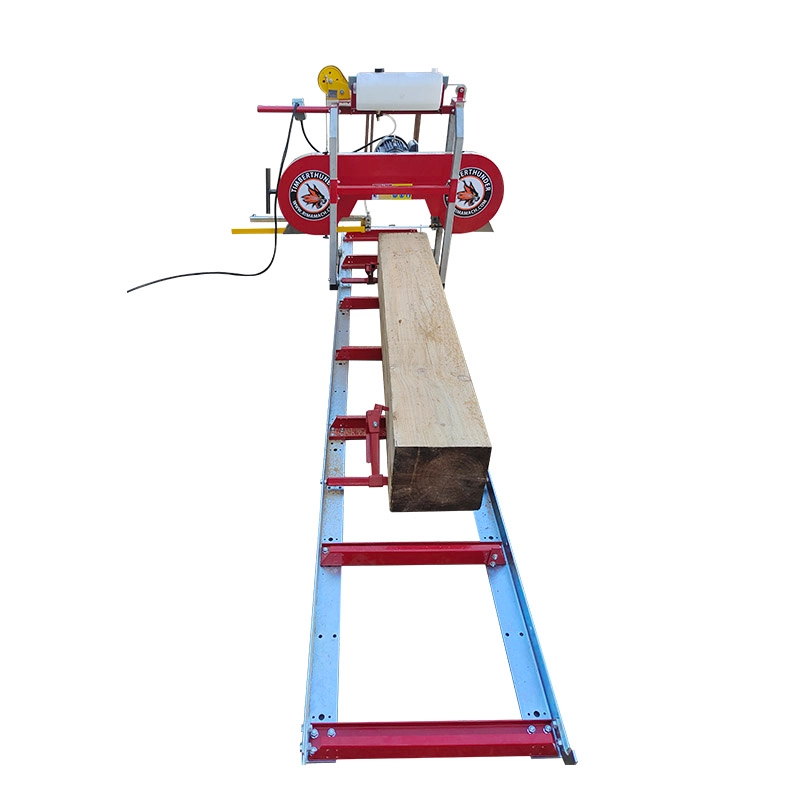
The RIMA RS18E Portable Sawmill stands out as a highly practical choice for small-scale storm timber recovery. It happily handles logs up to 18 inches in diameter and boasts a cutting capacity of 460 × 170 × 2780 mm.
Narrow-Kerf Cutting Efficiency:
The RS18E relies on a narrow-kerf band saw setup. If you compare it to a guy sweating over an Alaskan chainsaw mill, this band saw cuts up to 2 times faster while wasting about 66% less wood. Getting more usable lumber out of a single log creates significantly better value for the customer and leaves way less sawdust piled up in the yard.
| Factor |
RS18E Portable Sawmill Data |
Why It Matters for Storm Logs |
| Maximum
Log Diameter |
18 in / 460 mm | Fits many fallen trees from farms, residential yards, and small woodlots. |
| Cutting
Capacity |
460 × 170 × 2780 mm | Highly useful for standard boards, structural beams, and shorter furniture slabs. |
| Maximum
Cutting Width |
16 in | Helps the operator produce wider boards from suitable hardwood logs. |
| Standard
Track Size |
3600 × 607 mm | Gives a very stable support base for regular daily milling jobs. |
| Blade
Size |
3050 × 32 × 0.9 mm | A narrow band saw blade helps reduce waste and speeds up the cut. |
| Standard
Power |
4.0 kW, 220 V, 50 Hz, 3-phase | Perfectly suited for a home workshop or fixed-yard environment. |
| Optional
Power |
6.5 HP gasoline or 7 HP gasoline option | A much better option for field work where finding a power outlet is impossible. |
| Winch | 1200 lbs | Helps the operator lift and position heavy, awkward logs safely. |
| Minimum
Cutting Thickness |
20 mm / 0.78 in | Allows very practical and precise board thickness control. |
| Machine
Weight |
176 / 200 kg | Portable enough for small business operators, yet built heavy enough for serious cutting. |
Why Is the RIMA RS18E Portable Sawmill a Practical Choice?
The RS18E is definitely not trying to compete with a million-dollar commercial mill facility. It provides a compact, tough machine that you can take straight to the fallen tree, use for actual and profitable lumber recovery.
Compact Professional Performance
RIMA manufactures farm and forestry equipment specifically for people who need tools that survive real field conditions, not just look pretty in a showroom. The RS18E fits perfectly for rural landowners, small-scale sawyers, farm workshops, and local service crews that require good daily output without dedicating half an acre to a fixed milling setup.
Stable Power Options
Your choice of power directly dictates where you can take jobs. The RS18E comes standard with a 4.0 kW electric motor for stationary use in a wired shop. However, the gasoline engine options make way more sense for outdoor milling where dragging a generator around is just a huge pain.
Durable Structure and Easy Maintenance
A seriously heavy-duty steel frame goes a long way in controlling annoying blade vibration during a tough cut. Standard, easy-to-find bearings, blades, belts, and common replacement parts make basic upkeep a breeze.
How Can RIMA Support Your Portable Sawmill Service Project?
Picking out a sawmill involves a lot more than just looking at the maximum blade size. You also desperately need solid customer support, reliable access to spare parts, and practical advice on the best setup for your specific local working conditions.
Forestry Equipment Solutions
RIMA offers a very wide forestry equipment line, meaning buyers can build a much fuller, more efficient workflow around milling, log dragging, firewood splitting, and general land maintenance.
Product Service and Custom Support
Whether you are stuck trying to decide between electric and gasoline configurations, calculating the exact track length you need, or planning your spare blade inventory, the service team is there to help match the RS18E to your personal work style.
Contact for Sawmill Recommendations
A storm-damaged tree definitely does not have to end up in a landfill or a fire pit. With the right portable sawmill service, those fallen logs can easily become beautiful boards, heavy slabs, and lumber with real, lasting use. To chat about your specific project needs, you can easily reach out to RIMA directly for some highly practical sawmill recommendations.
FAQ
Q: Is portable sawmill service worth it for storm-damaged trees?
A: Absolutely, assuming the logs are sound, large enough to bother with, and physically accessible. A portable sawmill service turns those messy fallen logs into boards, slabs, or structural repair lumber, largely simplifying the tedious work of transporting whole logs to distant locations.
Q: What size logs can the RS18E Portable Sawmill cut?
A: The RS18E comfortably handles logs up to 18 inches in diameter, and it features a cutting capacity of 460 × 170 × 2780 mm. It is suitable for most types of farm hardwood, yard trees, and small woodland timber.
Q: Should you choose electric or gasoline power for storm cleanup milling?
A: Electric power is fantastic in a fixed yard or a home workshop where you have a rock-solid, stable power supply. Gasoline power, on the other hand, is vastly superior for field jobs, remote rural properties, and any mobile sawmill work where finding a plug-in power source is essentially impossible.





LEAVE A REPLY