




29th April 2026
4 Key Procurement Criteria for Industrial-Grade Log Splitters in 2026
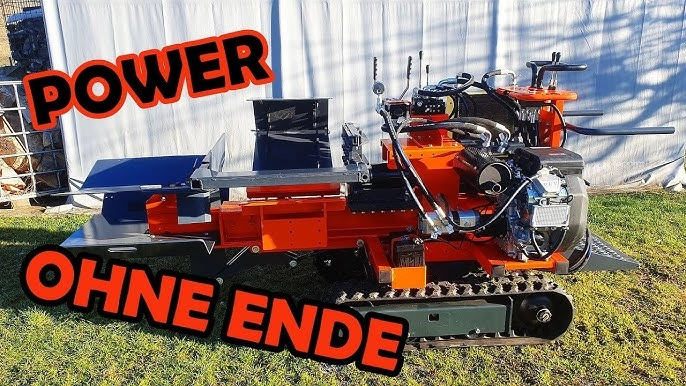
If you buy equipment for commercial firewood production, choosing a Log Splitter is no longer just about power and price. In 2026, buyers care more about real output, operator fatigue, mobility on the jobsite, hydraulic speed, and after-sales support. A machine may look strong on paper, but if your crew still has to drag heavy rounds, stop often, or work around awkward controls, production drops fast.
For forestry dealers, rental fleets, firewood yards, farms, and wood-processing contractors, the real question is simple: which machine can help your crew stay productive when logs are heavy, the ground is rough, and orders keep coming in?
If you are comparing professional forestry equipment, RIMA is a practical name to know. The company designs, builds, and supplies farm and forestry equipment, including firewood processors, sawmills, wood chippers, tree-cutting machines, stump grinders, and log-splitting machinery. Its team works with OEM and ODM buyers across Europe and North America, with machines shaped by durability requirements, field feedback, product testing, and responsive support. That matters because industrial buyers need more than a machine. They need a supplier who can answer technical questions, handle repeat orders, and match each configuration to local working conditions. A strong example for demanding wood-splitting work is the LS37PRO-T, a heavy-duty model with a crawler track system, hydraulic log lifter, hydraulic 4-way box wedge, and integrated control layout.
Industrial Log Splitter Buying Priorities in 2026
Commercial Firewood Production Needs
Start with the workload you need the machine to handle. A homeowner-grade machine may handle weekend splitting, but commercial production demands more. You need consistent cycle times, strong splitting force, easier material handling, and a frame built for daily use.
Under U.S. measurement standards, a full cord of firewood is 128 cubic feet. That number matters because commercial buyers measure output by cords per day, not by one log at a time. If your crew sells by the cord, every delay in loading, splitting, moving, and stacking adds to your cost.
Heavy Hardwood Processing Standards
Industrial buyers often process oak, hickory, beech, ash, maple, or mixed hardwood. These logs are not always straight, clean, or dry. Knots, crotch sections, twisted grain, and large rounds can slow down lighter-duty machines.
This is where the LS37PRO-T starts to make sense for high-volume work. Its 37-ton splitting force and 610mm splitting length make it better suited to large hardwood rounds. The 24HP version comes with a 5.5-second cycle time, 111.6L/min hydraulic pump capacity, a 50L hydraulic tank, a hydraulic oil cooler, and a 5″×24″ hydraulic cylinder. These specifications matter because they influence how smoothly your crew can load, split, and clear wood over a full shift.
Product Fit for Professional Buyers
The LS37PRO-T is a good fit if you need one machine for tough logs, outdoor yards, and high-volume work. It is built more for commercial yards and professional firewood operations than occasional backyard splitting. That makes it especially relevant for firewood producers, forestry contractors, farms, rural dealers, and rental companies that need stronger splitting power with less manual handling.
The best choice is the machine that balances power, handling, mobility, and control. Power alone is not enough. A serious industrial machine also needs easy log handling, jobsite mobility, steady hydraulics, and controls that still feel natural after a long shift.
Criterion 1: Splitting Power and Box Wedge Efficiency
37-Ton Splitting Force
Splitting force is still the first number many buyers check, and for good reason. A 37-ton rating gives the LS37PRO-T the force needed for dense hardwood, knotty rounds, and twisted grain. In daily work, that can help reduce failed splits, less repositioning, and fewer extra passes.
Do not judge a splitter by tonnage alone. If the wedge design is slow, or the pump cannot feed the cylinder fast enough, the machine still wastes time. That is why the hydraulic system and wedge design matter just as much as raw force.
Hydraulic 4-Way Box Wedge
A standard single wedge divides one log into two pieces. A hydraulic 4-way box wedge can split a suitable round into several pieces in one stroke, depending on log size and positioning. If you sell stove wood, that difference matters every day. You get more finished pieces per cycle and spend less time touching the same log twice.
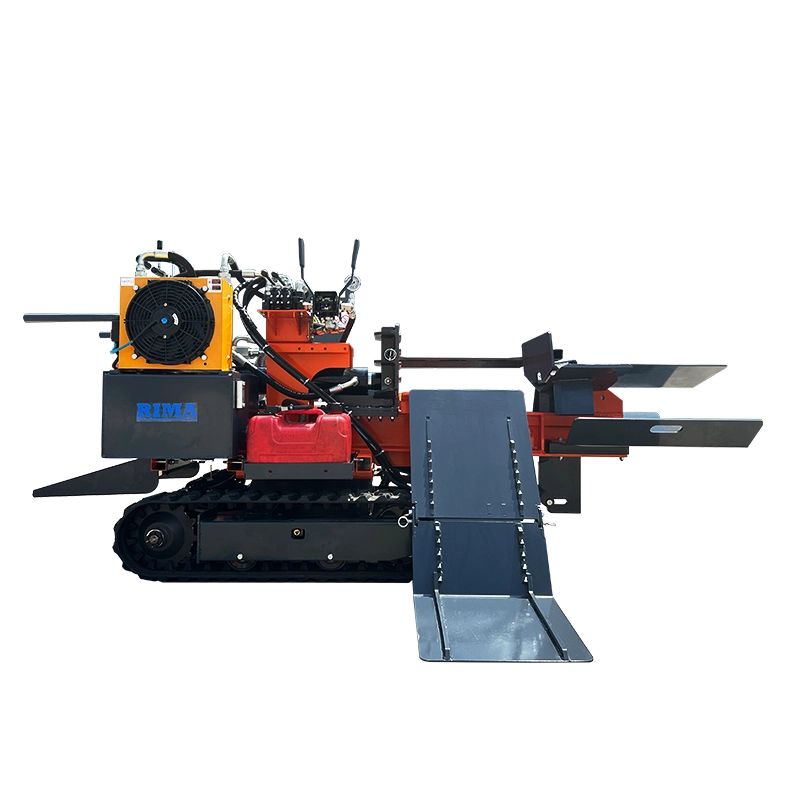
The LS37PRO-T uses a hydraulic 4-way box wedge as standard, with a 160mm hydraulically adjustable wedge height. That gives you more control over piece size, especially when log diameter changes from batch to batch.
Faster Multi-Piece Output
Here is a quick way to compare what matters in daily production:
| Procurement Factor | Verified Data Point | Why It Matters |
| Firewood sales unit | 1 cord = 128 cubic feet | Output should be judged by volume, not just single-log speed |
| Manual lifting reference | NIOSH lifting equation starts from 51 lb, or about 23 kg, under ideal conditions | Heavy rounds may quickly exceed sensible manual handling limits |
| LS37PRO-T log lifter | Up to 200 kg hydraulic lifting capacity | Better for large rounds and long work sessions |
| LS37PRO-T splitting force | 37 tons | Suitable for dense hardwood and commercial loads |
| LS37PRO-T cycle time | As fast as 5.5 seconds on 24HP models | Supports steady production when paired with efficient log loading and clearing |
The NIOSH lifting equation uses a 51 lb load constant under ideal lifting conditions, then adjusts that number down based on reach, posture, twisting, frequency, and grip quality. OSHA also refers to this 51 lb starting point when discussing manual lifting risk. In real firewood yards, logs are rarely ideal loads. That is why mechanical lifting and fewer handling steps are worth paying for.
Criterion 2: Jobsite Mobility and Crawler Track Stability
Standard Crawler Track System
A Log Splitter that cannot reach the work area may look good in a showroom but fail in the yard. Forestry work rarely happens on smooth concrete. You may need to move across mud, gravel, wood chips, slopes, farm lanes, or uneven storage areas.
The LS37PRO-T comes with a standard track system. This matters if you want the machine to move around the site without relying on a tractor, ATV, or constant towing. The crawler setup helps the machine move where wheels may sink, slip, or struggle.
Rough Terrain Movement
Crawler tracks spread the machine’s weight across a wider contact area. In practical terms, that means better grip and lower ground pressure. For firewood yards, woodland edges, farms, and rough storage sites, this can cut setup time and help you position the machine closer to the log pile.
It also makes the workflow more efficient. You can bring the splitter closer to the pile and reduce how far your crew needs to move each round. Over a full day, that difference shows up in fuel use, labor hours, and operator fatigue.
Stable Forestry Operation
The LS37PRO-T weighs up to 1010kg, depending on configuration. With its crawler base and rugged frame, that weight helps the machine stay planted during heavy splitting. A lighter unit may be easier to ship or store, but heavy hardwood work calls for weight, grip, and frame strength.
Criterion 3: Labor Reduction and Hydraulic Log Handling
200kg Hydraulic Log Lifter
Manual loading is often the hidden cost in wood splitting. Even if the cylinder is fast, the operator still spends time and energy rolling large rounds onto the beam.
The LS37PRO-T addresses that pain point with a hydraulic log lifter rated up to 200kg. That feature is not just about comfort. It helps keep production moving. The operator can bring heavy logs from ground level to splitting height with far less strain.
Reduced Manual Lifting Risk
If your team splits all day, fatigue becomes a safety issue. Tired workers move slower, make more mistakes, and are more likely to get hurt. A hydraulic lifter takes much of the strain out of the hardest part of the job: handling awkward hardwood rounds. For rental buyers, this also matters because users vary in strength, skill, and work habits. A machine with built-in lifting support is easier to rent, sell, and recommend to more users.
Continuous Heavy-Duty Workflow
Good log handling lets the hydraulic system do more real work. The aim is simple: feed, lift, split, clear, repeat. When the lifter, wedge, pump, and controls work together, the whole process feels smoother, with fewer stops between logs. This is where the LS37PRO-T makes sense as a complete package. The crawler track helps position the machine, the log lifter handles heavy rounds, the box wedge produces more pieces per stroke, and the control layout keeps the operator close to the work.
Criterion 4: Operator Control and Hydraulic System Performance
Integrated Control Layout
Controls can make or break long-shift productivity. If the levers are scattered, stiff, or poorly placed, every cycle takes more effort than it should. An integrated control layout keeps the main functions close at hand, easy to identify, and easy to repeat. For buyers, this is not a small detail. A simple control layout helps new operators learn faster and helps experienced workers keep a steady rhythm. In high-volume work, rhythm directly affects profit.
3-Stage Hydraulic Pump
In the 24HP configuration, the LS37PRO-T uses a 3-stage hydraulic pump with up to 111.6L/min, or 29.48GPM, pump capacity. That pump helps the cylinder move quickly while still delivering the force needed when the wedge meets tough wood.
This is the kind of detail buyers should compare carefully. A strong cylinder with a slow pump can feel sluggish. A fast pump without enough pressure may stall on hard rounds. The whole hydraulic system has to work together.
5.5-Second Cycle Time
Cycle time is easy to overlook until your crew starts tracking output by the day. A 5.5-second cycle time on the 24HP model helps your crew keep a fast pace, especially with the 4-way wedge and hydraulic lifter.
The hydraulic oil cooler also matters here. Long work sessions create heat. Heat can shorten component life and weaken performance. A cooler helps the machine stay more consistent during demanding use.
Choose the LS37PRO-T for Industrial Log Splitter Procurement
One-Stop Forestry Machinery Supplier
If you are sourcing for a dealership, rental fleet, or firewood business, the machine is only part of the purchase. You also need stable supply, clear parts support, proper documentation, and people who understand forestry equipment. The manufacturer also offers log splitters, log grapples, sawmills, and other wood-processing equipment. That makes sourcing easier if you prefer one supplier for related machines.
Case-Based Buyer Confidence
Before you commit, look at real applications, not only product photos. The case section helps you see how the equipment is used in real working conditions. For procurement teams, case references make it easier to compare the spec sheet with real jobsite needs.
Service and Contact Support
The LS37PRO-T is a practical choice if you need a crawler-based, heavy-duty Log Splitter that reduces manual lifting and improves multi-piece splitting efficiency. It combines 37-ton splitting force, 610mm splitting length, a 200kg hydraulic log lifter, a hydraulic 4-way box wedge, integrated controls, a 3-stage hydraulic pump, an oil cooler, and a standard track system in one work-ready machine.
Consider the next steps which are to review available service support and contact the team to discuss configuration, order quantity, proposed delivery destination and lead time.
FAQs
Q: What Makes a Log Splitter Suitable for Industrial Use?
A: An industrial-grade machine should offer high splitting force, strong hydraulics, heavy-duty construction, fast cycle time, safe log handling, and stable operation on demanding jobsites.
Q: Why Does a Hydraulic Log Lifter Matter for Commercial Firewood Work?
A: It reduces manual lifting, helps the operator handle large rounds, and keeps the work cycle moving. For heavy hardwood, a 200kg lifter is can make loading easier and less tiring.
Q: Is a Crawler Track System Worth It for a Log Splitter?
A: Yes, if you work on rough ground, farms, forestry yards, or muddy storage areas. Tracks help you move the machine closer to the wood pile, so you spend less time dragging heavy logs.




LEAVE A REPLY