




9th September 2026
Tired of Slow Firewood Production? How Commercial Processors Turn Large Logs Into Sellable Firewood
A big pile of logs can look like plenty of firewood until you start working through it. Larger rounds take longer to position. Knots and twisted grain can stop a clean split, and uneven pieces often end up going through the machine again.
If you process firewood for a farm, rural home, small woodlot, or family-run firewood yard, the goal is fairly simple. You want to turn those logs into pieces that are easy to dry, stack, store, bag, or sell. A bigger machine alone does not make that happen. The whole job needs to keep moving from one log to the next.
Why Does Firewood Production Slow Down with Larger Logs?
Splitting force matters when you work with thick or dense wood, but it is only one part of the job. A machine may have plenty of force and still feel slow if every cycle involves too much repositioning and cleanup.
Large Logs Need More Work between Splits
Large rounds are heavy and awkward. They do not always sit where you want them, especially when the trunk is crooked or the cut face is uneven. Dense hardwood, wet timber, knots, and crotch sections can make each split less predictable as well.
This is why it helps to look beyond the force rating when choosing equipment. Feeding, positioning, splitting, clearing the finished pieces, and getting the next log ready all affect how much wood you finish in a day. If tough wood is common on your property, this log splitter guide for tough hardwoods covers several points worth checking before you choose a setup.
Uneven Pieces Create More Work Later
A log breaking apart does not always mean the job is finished. If one section comes out too thick, you may have to pick it out and split it again. Do that across a large pile and the extra handling starts to add up.
More even firewood is easier to work with after splitting. It stacks better, fits into bags or bundles more neatly, and can be separated by size without spending half the afternoon sorting the pile. You also get a more predictable result when you prepare wood for different stoves or heating setups.
How Do Commercial Processors Keep Logs Moving?
A commercial-style firewood setup is not only for a large production yard. The same working idea can make sense on a farm or larger rural property where you process wood regularly.
The main difference is rhythm. Instead of treating every log as a separate job, the machine is set up to keep material moving through the same sequence.
Automatic Splitting Keeps the Cycle Moving
With a basic splitter, quite a bit of time can disappear between strokes. You reposition the wood, move the last pieces away, wait for the machine to reset, and then start again.
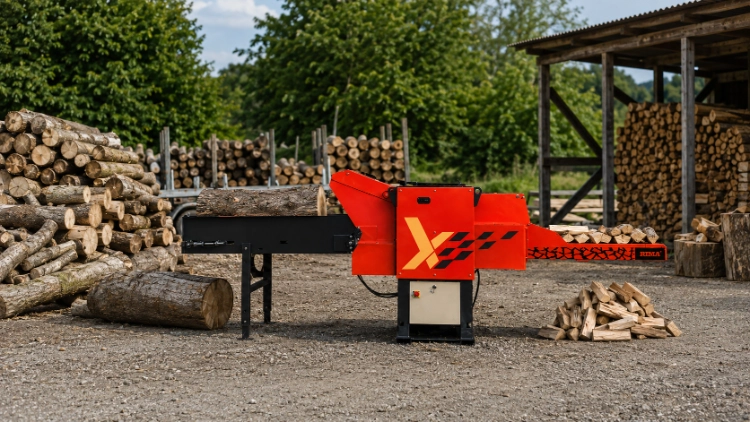
The RX500 X Log Splitter uses a fully automatic splitting cycle. That makes it better suited to repeated firewood work where you have a pile of rounds waiting rather than one or two logs to deal with.
The difference becomes more noticeable over a full day. You are still loading and managing the wood, but the splitting stage is not constantly stopping and starting around separate manual steps.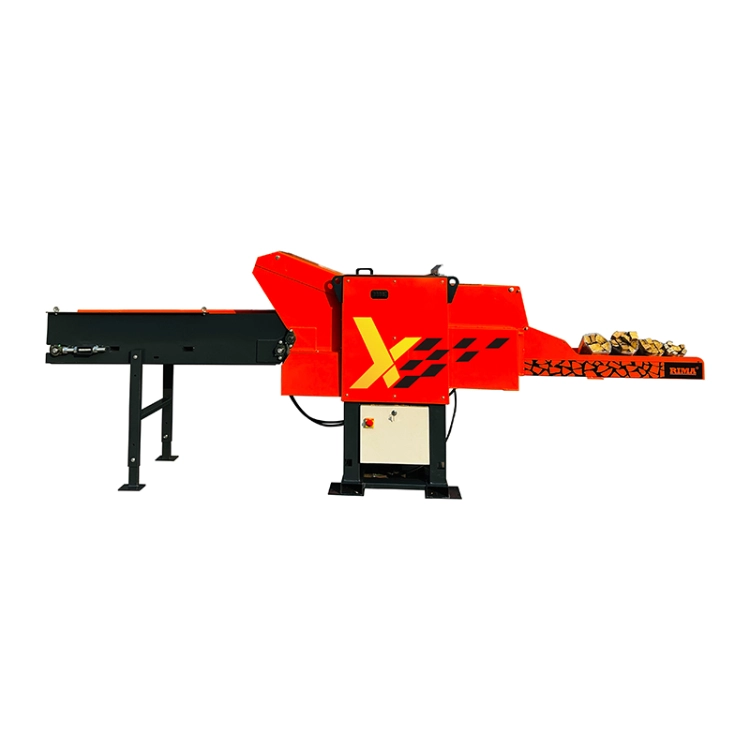
The X-Blade Changes What Comes Out
A single wedge can open a round, but large sections may still need another pass before they are small enough for the stove or woodpile.
The RX500 X uses a horizontal X-blade to divide the log in a more controlled pattern. The machine can handle logs around 19.7 inches in diameter and offers up to 18 tons of splitting force. Finished firewood size can be adjusted from roughly 0.6 × 0.6 inch up to 5.9 × 5.9 inches.
That range gives you room to make small kindling, normal stove wood, or larger pieces. You are not stuck producing one size from every log.
How Does the RX500 X Turn Large Logs Into Sellable Firewood?
There is a practical difference between split wood and firewood that is ready to use or sell. The second one needs a workable size, a fairly regular shape, and a clear path from the splitter to drying and storage.
That is where the RX500 X starts to make more sense than simply choosing a machine with a large force number.
Control the Finished Size before the Wood Leaves the Splitter
If you heat your own property, you probably already know what size works best in your stove. Smaller pieces are handy for starting a fire. Medium pieces suit everyday burning, while larger pieces can be useful in bigger stoves or outdoor heating systems.
The adjustable splitting range lets you work around those needs. If you also sell some of your firewood locally, you can prepare different sizes without changing to another machine.
That saves you from creating a large mixed pile first and sorting everything afterward.
Keep the Feed Area Clear and the Output Moving
Even a good splitter can feel slow when the area around it becomes crowded. Finished pieces should have somewhere to go, and the next log needs a clear route into the machine.
Keep loose pieces away from the feed area and do not let split wood collect around the outlet. It sounds simple, but this has a big effect on how comfortable the machine is to use over several hours.
This guide on preventing feed jams on a wood processor also covers useful ways to keep material moving without constant stopping.
Make the Finished Wood Easier to Handle
Once the firewood comes out in a fairly consistent size, everything after the splitter becomes simpler.
You can carry it more easily, build cleaner stacks, and separate kindling from larger stove wood as you go. If you are preparing bags or bundles, there is less need to pick through the pile looking for pieces that fit.
This is one reason the finished split matters just as much as raw machine power.
What Makes Finished Firewood Easier to Dry, Store, and Sell?
Firewood still needs time and airflow after splitting. A machine cannot replace proper seasoning, but the way the wood is prepared can make the next stage much easier.
Consistent Sizes Make Stacking and Drying Easier
A pile filled with very different sizes can be awkward to stack. Large blocks sit next to thin pieces, gaps vary, and the wood does not always dry at a similar rate.
Pieces that are closer in size are easier to arrange with good airflow around them. You can also build rows that stay more stable instead of constantly shifting as you add more wood.
For your own property, this simply makes the woodpile easier to manage. If you sell some of the finished wood, a more regular load also looks better when it reaches the customer.
Different Firewood Sizes Suit Different Uses
There is no single perfect firewood size.
Small split pieces work well as kindling. Medium pieces are useful for many household stoves and fireplaces. Larger firewood may suit bigger heating systems or customers who prefer a longer burn.
The adjustable output of the RX500 X gives you room to work with those differences instead of making every batch the same. That can be particularly useful when the logs on your property vary in diameter throughout the season.
How Should You Build a Practical Firewood Processing Setup?
You do not need to buy every piece of forestry equipment at once. A useful setup starts with the wood you actually have and the amount you expect to process.
Start with Your Logs and Finished Firewood Size
Look at the logs before looking at the machine brochure.
Check the normal diameter, wood species, condition, and length of the material you handle. Then decide what finished firewood size you actually want. Your working area matters too. You need enough room to bring logs in, run the splitter safely, and move finished wood out without crossing the same path all day.
The RX500 X is a good fit when larger logs and repeated splitting are common enough to justify an automatic cycle and adjustable X-blade setup.
Add Material Handling Only When You Need It
A small woodlot may work perfectly well with the splitter, a clear feed area, and a nearby drying stack.
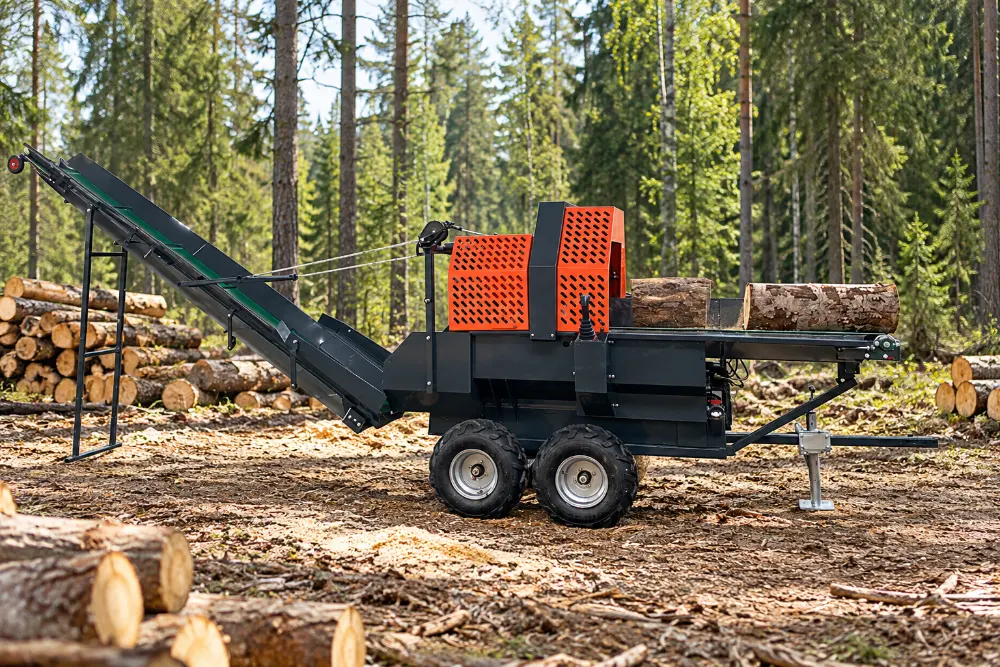
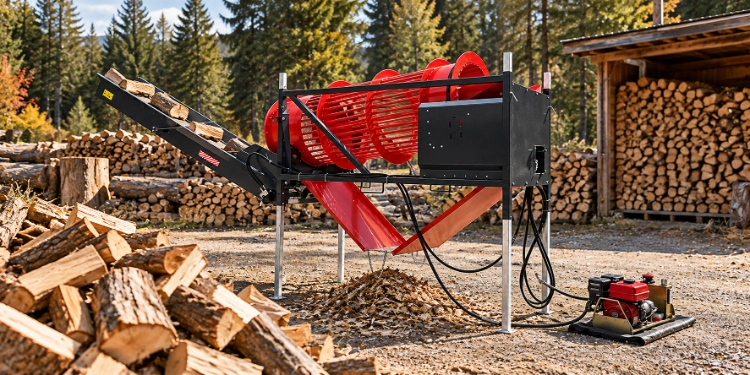
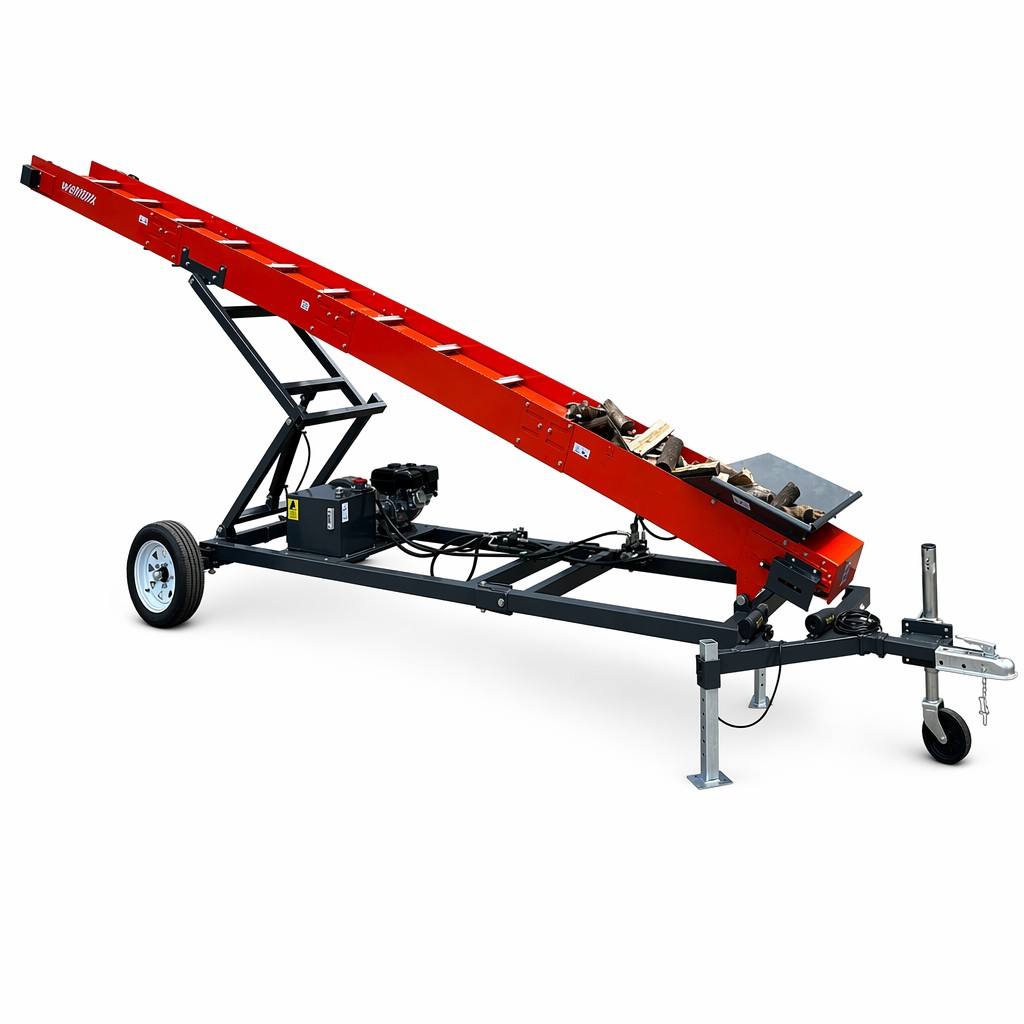
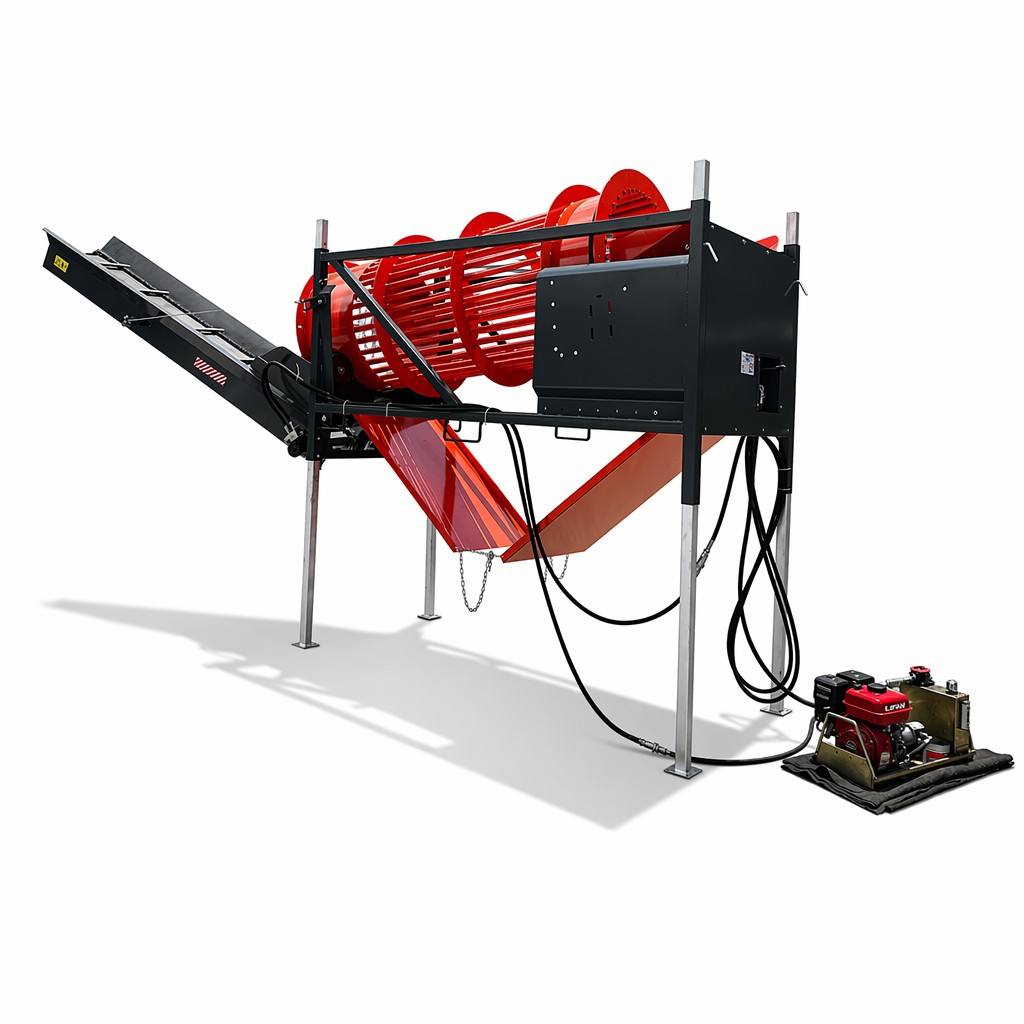
If the amount of firewood grows later, a conveyor can help move finished pieces away from the machine. An infeed table can make it easier to keep rounds ready, while a cleaner or screener can remove loose bark and small debris before storage or packing.
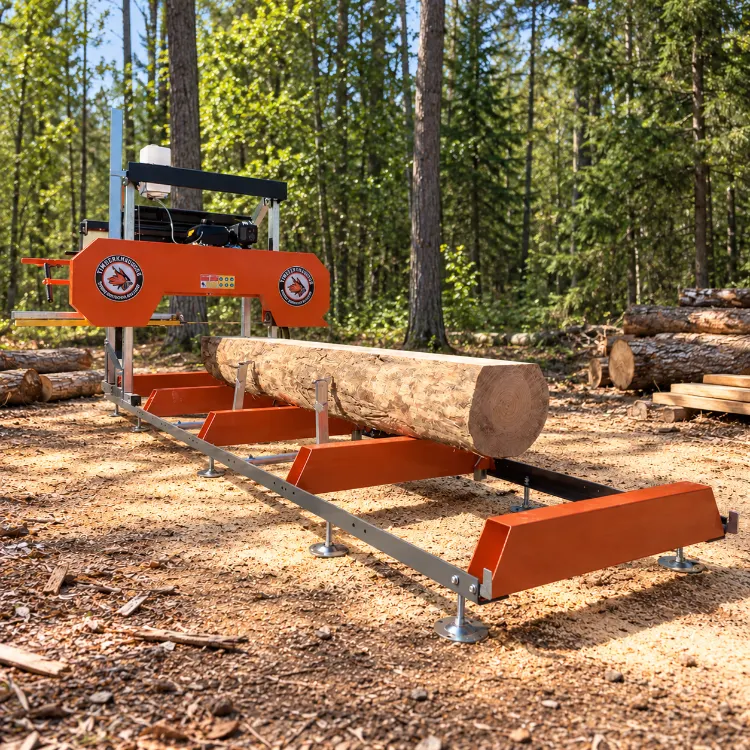
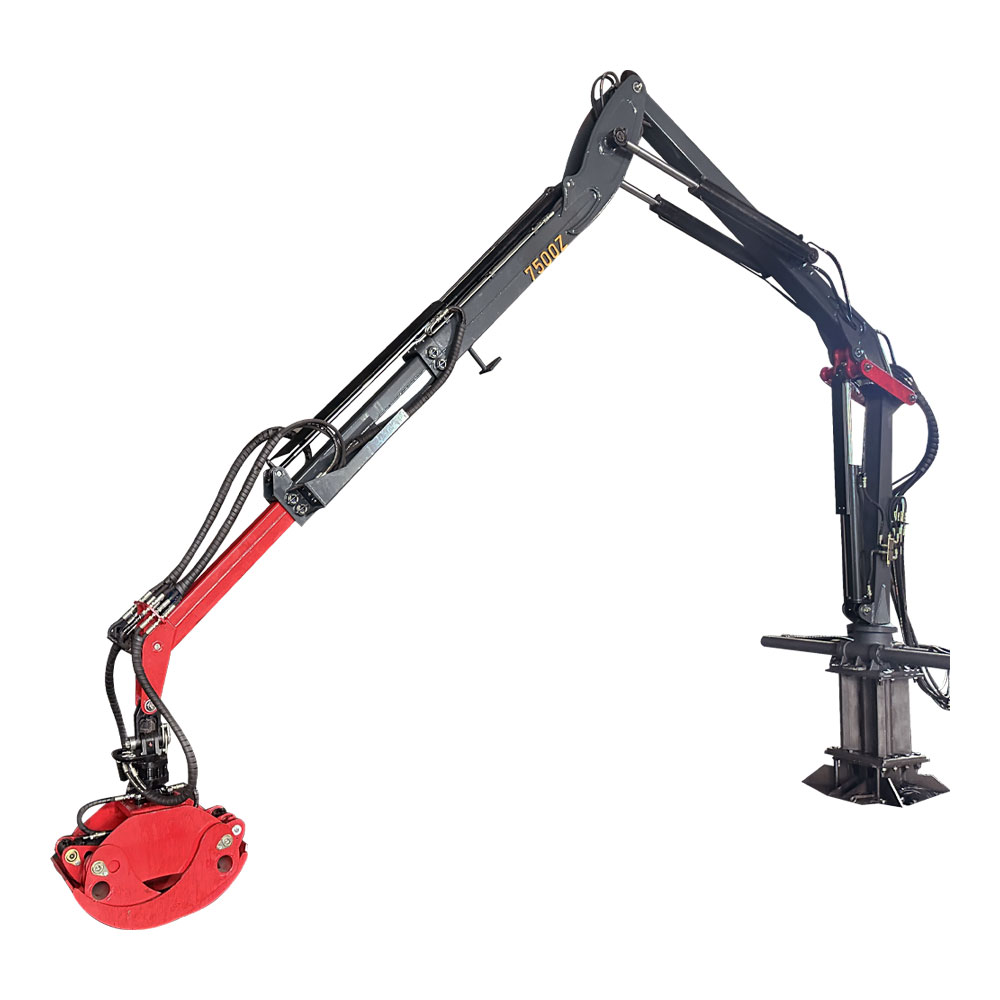
The wider RIMA products range includes firewood processors, log splitters, conveyors, sawmills, and other forestry equipment, so you can build around the main machine instead of replacing everything when your needs change.
Why RIMA Fits This Type of Setup
RIMA focuses on farm and forestry equipment, including machines for splitting, sawmilling, conveying, and timber handling. That makes the RX500 X part of a wider wood-processing range rather than a stand-alone product with nowhere to go next.
For a farm, rural property, or family-run firewood operation, that can be useful. You might start with one machine and add supporting equipment later when the amount of wood increases.
You can look through RIMA case examples for different equipment setups or browse the RIMA blog for more practical information on firewood processing, log splitters, sawmills, and maintenance.
If you are not sure whether the RX500 X fits your log size or working area, RIMA also provides service support, and you can contact RIMA with your average log diameter, wood type, working conditions, and preferred finished firewood size.
Conclusion
Slow firewood production is rarely caused by one thing. Large rounds take longer to position, uneven pieces may need another pass, and a crowded working area can slow down a good machine.
A more controlled setup helps keep those small delays from taking over the day. The RX500 X Log Splitter combines an automatic splitting cycle, up to 18 tons of splitting force, a horizontal X-blade, and adjustable firewood sizing. Those features make sense when you regularly need to turn larger logs into wood that is ready to dry, stack, store, or sell.
For a farm, woodlot, rural home, or small firewood yard, that is the useful measure of a machine. It is not only whether the log splits. It is how easily you can move from one large round to the next and end up with firewood you can actually use.
FAQ
Can the RX500 X Handle Large Logs?
Yes. The RX500 X can handle logs around 19.7 inches in diameter and provides up to 18 tons of splitting force. Wood species, knots, moisture, and log shape can still affect how each round splits.
What Size Firewood Can the RX500 X Produce?
The finished split can be adjusted from roughly 0.6 × 0.6 inch up to 5.9 × 5.9 inches. This gives you options for kindling, everyday stove wood, and larger firewood.
Why Does an X-Blade Help with Firewood Production?
An X-blade divides a round in a more controlled pattern than a simple single wedge. That can give you more evenly sized pieces and reduce the number of oversized sections that need another pass.
Is Splitting Force the Main Factor in Firewood Output?
No. Splitting force matters when you work with large or dense timber, but the overall pace also depends on feeding, positioning, cycle time, clearing finished pieces, and the condition of the wood.
What Equipment Can Be Used with a Firewood Splitter?
A firewood setup can include an infeed table, conveyor, cleaner, screener, or other log-handling equipment. What you need depends on how much wood you process, the space available, and what you plan to do with the finished firewood.




LEAVE A REPLY