




29th July 2026
The Ultimate Electric Wood Chipper Buyer’s Guide: 7 Questions to Ask Before You Buy
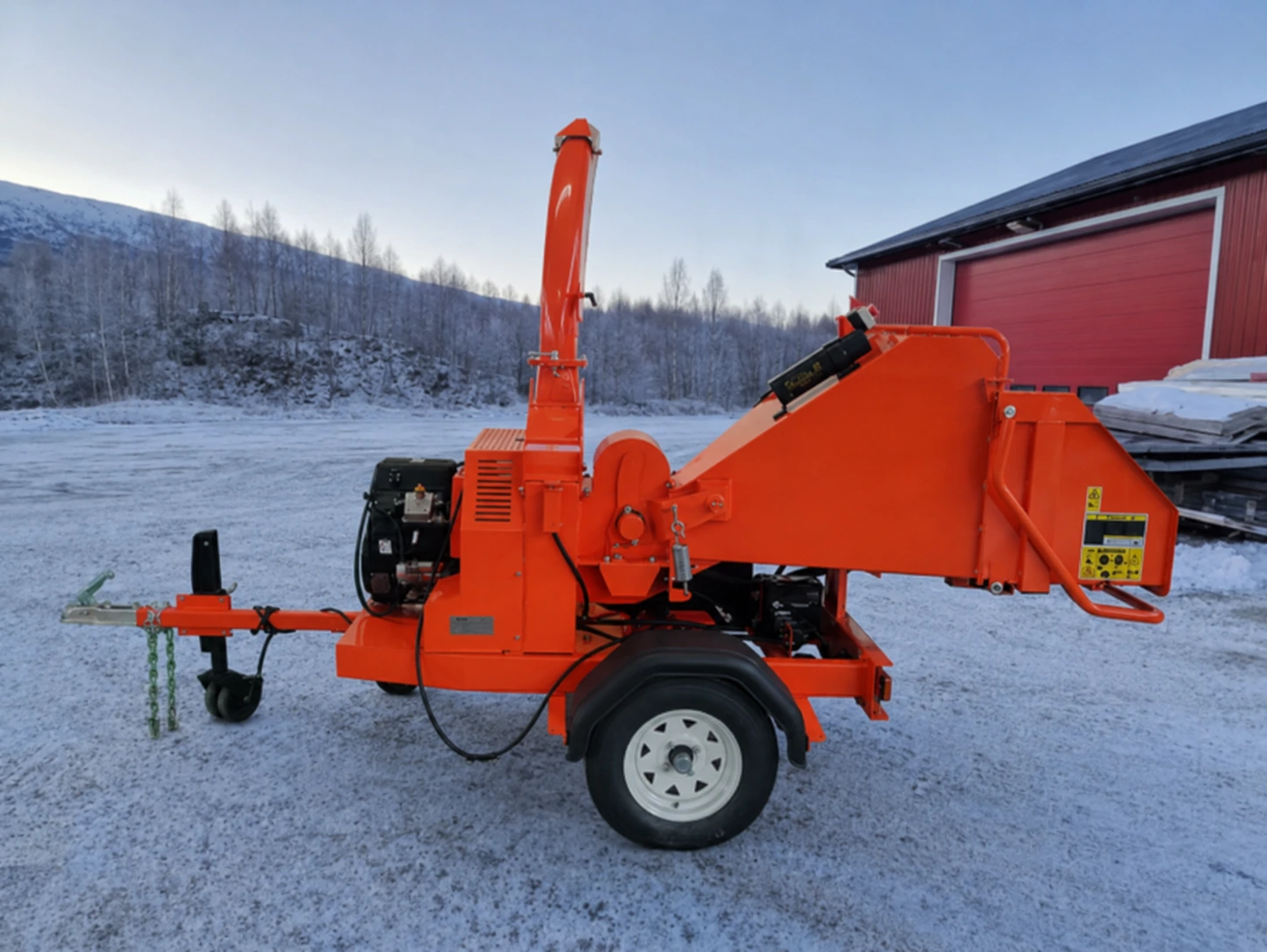
Buying an Electric Wood Chipper starts with seven practical questions: where will it run, what branch sizes will it meet, how much must it process, how does it feed and discharge, can it move safely, what will it cost to own, and what support follows delivery? A compact garden machine and a towable professional chipper may both reduce pruning waste, yet they belong on very different sites.
In this article, we will use RIMA’s CS-150PRO chipper as a practical example to explain how to approach the seven questions in this buyer’s guide. Rather than judging a machine by one specification, you will see how its power system, branch capacity, material flow, mobility, operating cost, and supplier support relate to real working conditions.
Is an Electric Wood Chipper the Right Power Type for Your Site?
First, separate the power source from the starting method. “Electric” normally means mains or battery power. “Electric start” means a battery starts a combustion engine. Product listings often blur this distinction.
Plug-In Power Availability
A true electric model fits light trimming near a house, workshop, or fixed maintenance area. Check voltage, circuit capacity, cable length, and rules for damp conditions. A long lead across wet grass limits reach and safe placement.
Off-Grid Operating Range
Petrol power suits farms, estates, roadsides, and woodland edges far from a socket. Moving the chipper to the pile beats dragging forked limbs across a property. PTO power suits work where a compatible tractor is already available.
Electric-Start Petrol Power
The CS-150PRO uses a 764 cc, 18 kW four-stroke petrol engine with electric start. It is not a plug-in machine. Independent power and push-button starting suit mobile work and thicker branches.
What Branch Diameter and Daily Volume Must Your Chipper Handle?
The second and third questions belong together. Maximum diameter is a stated limit; daily volume shows job fit. One large, straight branch says little about hours of wet, crooked waste.
Typical Branch-Diameter Profile
Record your common diameter, then note occasional maximums. The CS-150PRO has a published limit of 150 mm, roughly 5.9 inches, for substantial orchard limbs, landscaping debris, and light forestry material. If most cuttings are thin, a smaller Electric Wood Chipper may cost less to buy and move.
Wood Type and Moisture
Softwood, dense hardwood, dry deadwood, green branches, and forks feed differently. Send photos, common diameters, moisture condition, and species. A maximum figure does not mean every knotted hardwood limb of that size passes without trimming.
Daily Throughput and Duty Cycle
State daily running hours, moves, and seasonal peaks. The CS-150PRO lists an 18 kW engine, feed roller, and 2,000 min⁻¹ blade speed, but no verified tonnes-per-hour rate. Request a video or test with similar branches rather than guessing output from engine speed.
Which Feed, Cutting, and Discharge Features Keep Work Moving?
Question four covers the full material path. Power is wasted when branches need repeated pushing or chips land beside the trailer.
Feed-Roller Control
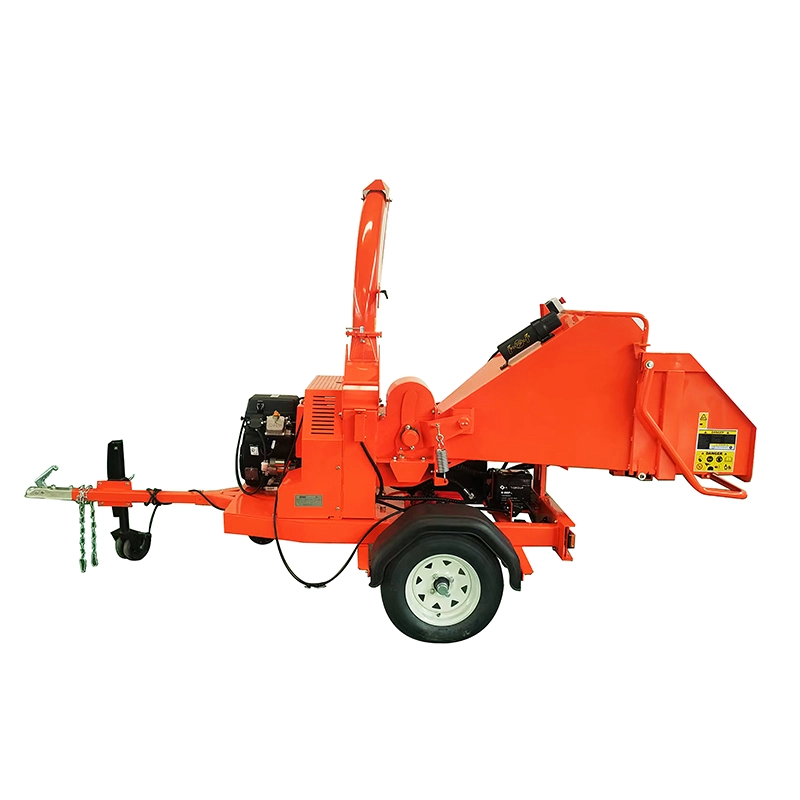
An active roller draws material toward the cutter. The CS-150PRO wood chipper pairs one with a wide, angled hopper. Confirm speed control, reverse, emergency-stop layout, and jam-clearing steps.
Two-Knife Cutting System
The design uses two knives and industrial blade-shaft bearings. Ask about bed-knife clearance, fastener torque, sharpening access, reversible edges, and first-order wear parts.
360-Degree Discharge Control
A high, 360-degree rotatable chute aims chips without moving the machine. Check receiving height and clearance. Missing a trailer wall by a few centimetres creates cleanup on every load.
These published specifications give buyers comparing an Electric Wood Chipper a reference for checking quotes and manuals.
| Buyer Check | Published CS-150PRO Specification | Practical Meaning |
| Maximum chopping diameter | 150 mm | Check against normal and occasional sizes |
| Engine | 764 cc, 18 kW, four-stroke petrol | No mains power required |
| Starting system | Electric start | Easier starting than a recoil-only setup |
| Blade system | 2 knives at 2,000 min⁻¹ | Check sharpening and spare knives |
| Feed system | Feed roller | Confirm reverse and emergency controls |
| Discharge | 360° rotatable chute | Aim chips at the receiving point |
| Protection class | IP20 | Confirm permitted weather, cleaning, and storage conditions |
How Safe and Mobile Is the Chipper on Real Job Sites?
Question five links mobility with risk. Closer placement cuts carrying, but towing, slopes, operator position, and maintenance access still need checks.
Enclosed Cutting Protection
The enclosed cutting chamber, covers, and warning labels do not replace training, eye and hearing protection, close-fitting clothing, or lockout steps. Confirm emergency controls and cutter isolation.
Trailer and Tire Stability
A single-axle trailer, tow hitch, and pneumatic tires aid site movement. “Towable” does not mean road legal. Confirm hitch size, transport speed, lights, brakes, registration, and vehicle compatibility locally.
Site Access and Weather Exposure
Measure gates, paths, turning space, trailer access, and level operating ground. With the listed IP20 rating, ask which rain, washing, storage, and ambient conditions are allowed. Appearance does not prove weather resistance.
What Will the Chipper Cost to Own after Purchase?
Question six looks beyond the invoice. Fuel, labour, wear parts, downtime, and slow deliveries can outweigh a price difference.
Fuel and Labour Costs
Estimate fuel by running hours, not the full shift. Count labour saved when the chipper sits beside debris and fills a trailer. On scattered sites, shorter carrying routes may matter more than a small fuel difference.
Blade and Bearing Maintenance
Request prices and lead times for knives, bearings, belts, filters, and service items. Use the manual to build daily, weekly, and seasonal checks for fasteners, debris, fluids, and blade damage.
Warranty and Spare-Parts Scope
RIMA publishes a one-year remote warranty, but the quotation should state model-specific coverage. Confirm the start date, freight, evidence required, and labour terms. Request spare-parts item codes.
Why Choose RIMA, and What Should You Confirm before Ordering?
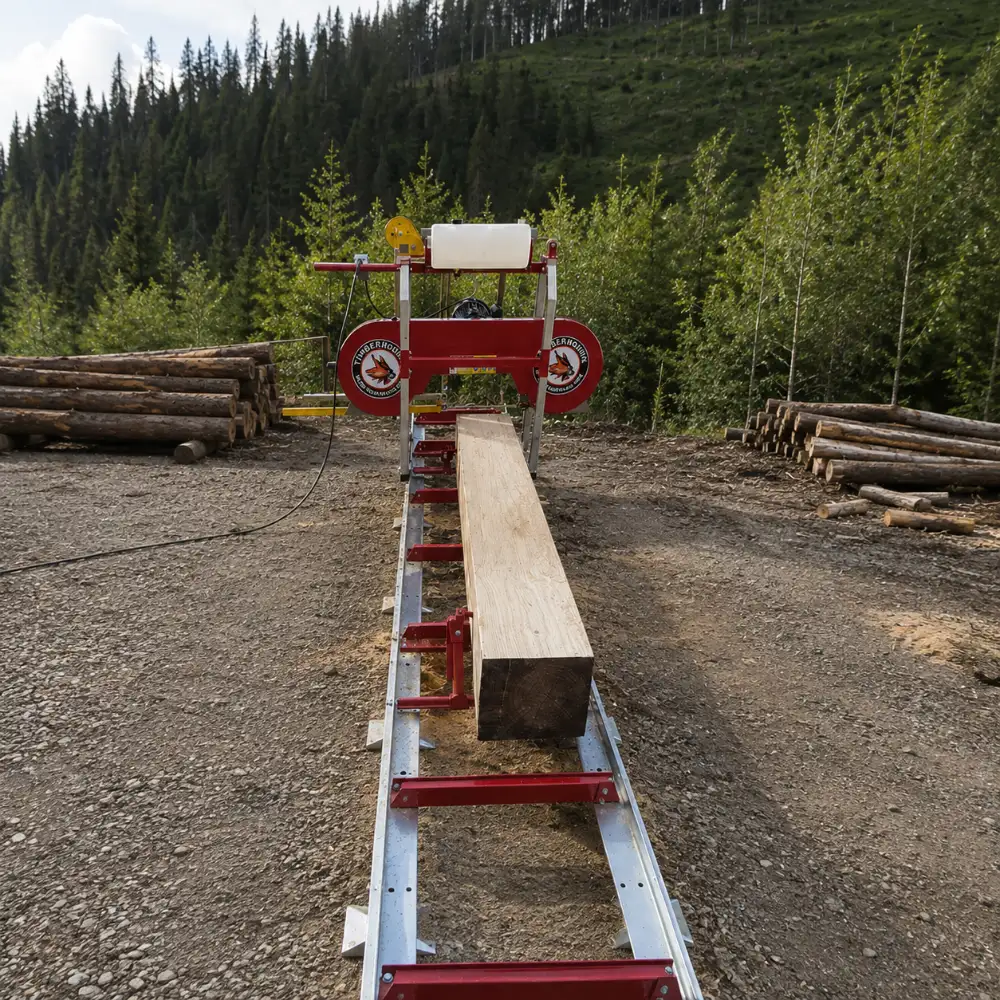
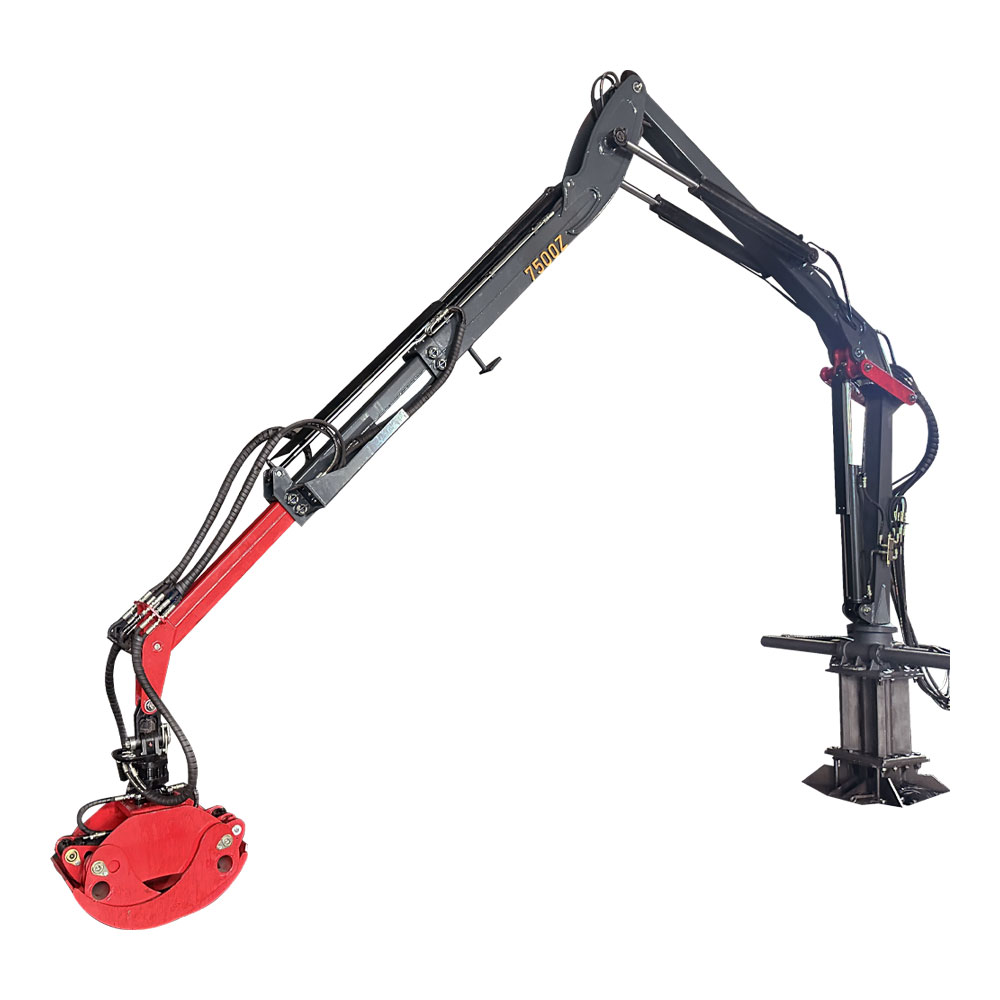
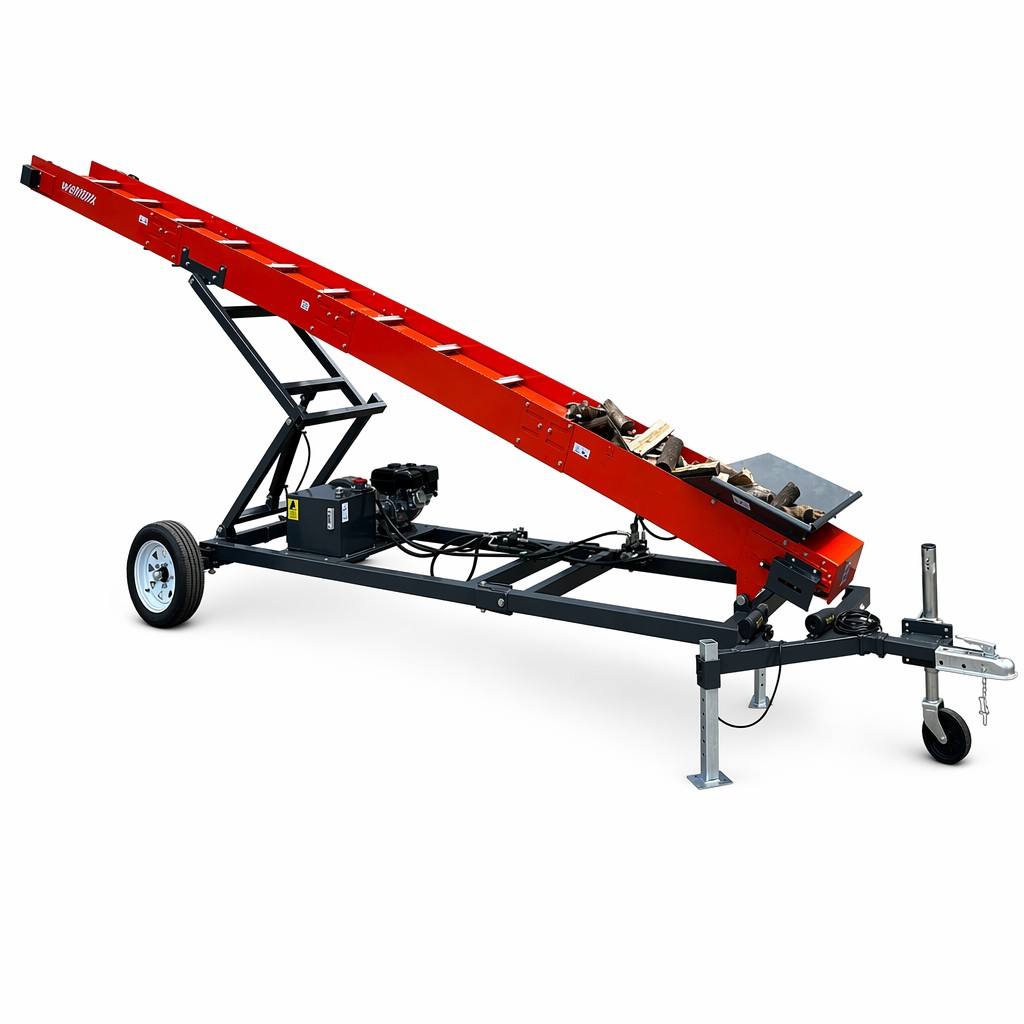
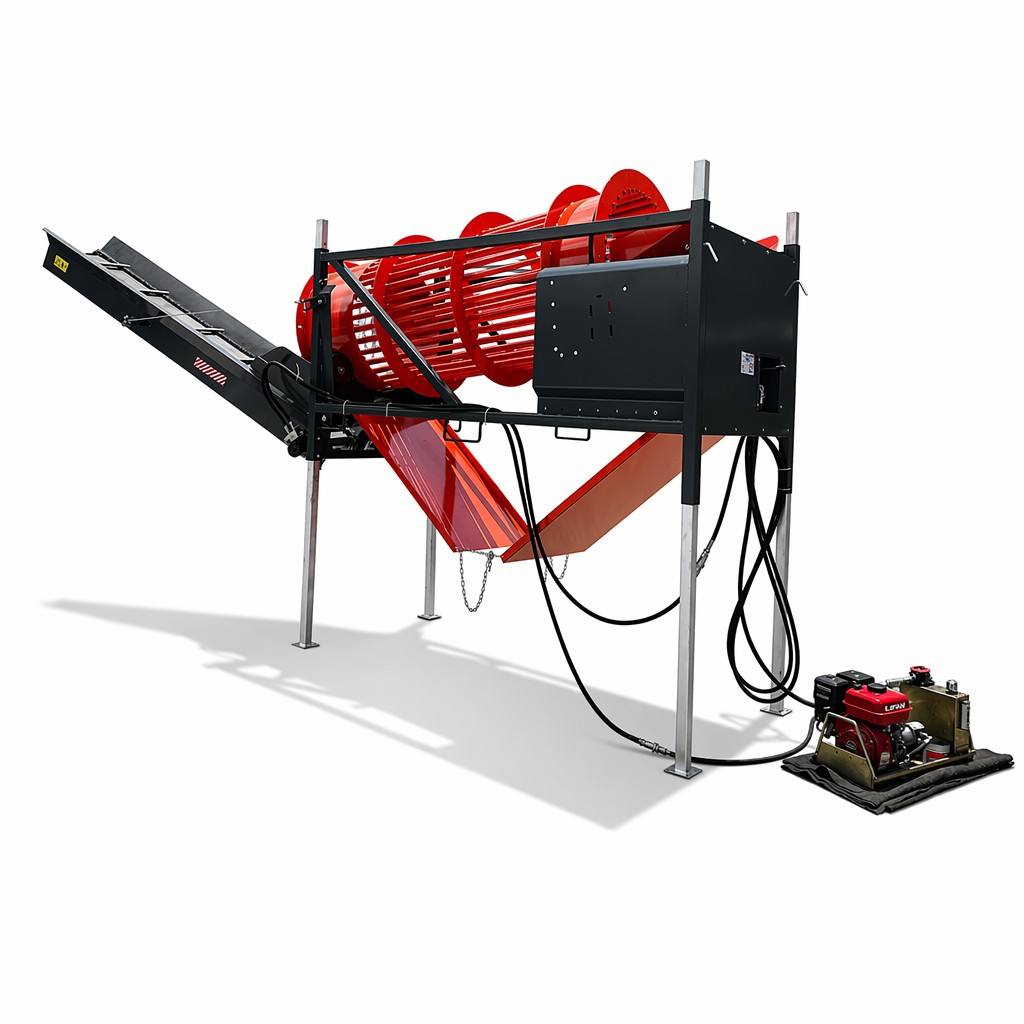
Once the machine requirements are clear, the final question is whether the supplier can support the complete order rather than simply provide a quoted specification. RIMA manufactures farm and forestry machinery for contractors, landowners, and dealers, with a product range that includes chippers, firewood processors, sawmills, stump grinders, and log-handling equipment.
For buyers evaluating the CS-150PRO, this broader manufacturing capability can simplify the purchasing process. Product development, production checks, OEM and ODM requirements, spare-parts planning, packaging, and after-sales support can be coordinated within the same supply process. This helps keep the machine configuration, documentation, replacement parts, and site-specific requests aligned before production and shipment.
Verified Product Specifications
Make the quotation, nameplate, manual, packing list, and contract agree on power, capacity, starter, knives, roller, chute, IP class, dimensions, and weight. Request model-specific certification files.
Manufacturing and Customization Support
Before production begins, list every non-standard requirement in the order specification. This may include machine labels, manual languages, packaging standards, spare-parts kits, colour options, electrical components, or market-specific documents. Confirm which requests are standard, which require an engineering review, and how each approved change will appear in the quotation, production record, and packing list.
Service and Contact Request
Send common and maximum diameters, species, moisture, daily volume, terrain, towing plan, chip destination, delivery country, and document needs. Then contact the RIMA team for a quotation, operating video, maintenance schedule, spare-parts plan, and shipping details. The right Electric Wood Chipper should cut handling and cleanup, not merely look good on paper.
FAQ
Q: What size Electric Wood Chipper should you buy?
A: Choose from normal diameter and daily volume, not the single largest limb. Leave capacity for forks, knots, and denser wood without buying far beyond regular needs.
Q: Is electric start the same as electric power?
A: No. A battery starts the engine. The CS-150PRO has electric start but runs on petrol, so it needs no mains connection.
Q: What should you send a supplier before requesting a quote?
A: Send branch photos, diameters, species, moisture, daily hours, site access, towing needs, chip destination, delivery country, and required documents. RIMA can then discuss configuration, service parts, and shipping.




LEAVE A REPLY