




9th July 2026
How Can a Commercial Firewood Processor Cut Delays, Boost Output, and Handle Tough Logs?
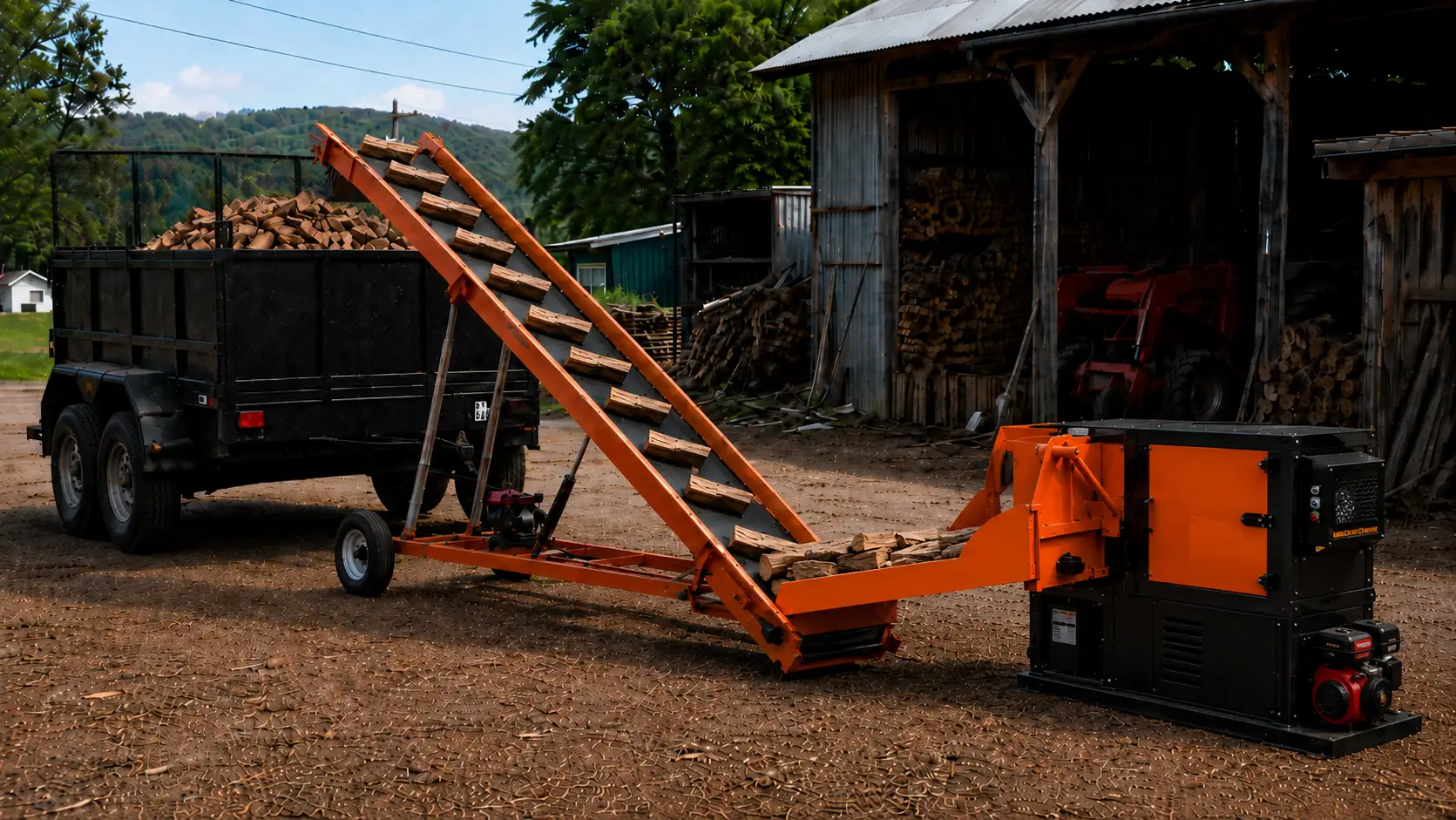
A Commercial Firewood Processor should do more than cut logs into smaller pieces. In a real firewood yard, the bigger question is whether your crew can keep logs moving, reduce hand lifting, and produce clean firewood without constant stops. Wet hardwood, uneven rounds, winter rush orders, and a full discharge area can all slow the day down.
RIMA builds farm and forestry equipment for buyers who need dependable working machines, not decorative catalog items. Its product range covers firewood processors, sawmills, wood chippers, log handling tools, conveyors, and related forestry equipment. For commercial firewood producers, farms, contractors, and timber yards, RIMA is worth considering because it can match a processor, conveyor, and support plan to your log size, target output, and site layout. That kind of fit matters when every hour in peak season has a cost.
Why Do Commercial Firewood Operations Lose Time Before Processing Starts?
Slow Log Feeding
Many buyers first look at cutting speed, but slow feeding often causes the bigger loss. If logs must be rolled, lifted, corrected, and lined up by hand, the machine may sit ready while the crew catches up. That wasted gap repeats all day.
Commercial wood is rarely neat. Some logs are curved. Some are wet. Some carry knots that make feeding less smooth. A good processing line must deal with that normal mess without making the operator stop every few minutes.
Manual Handling Pressure
Hand lifting is not only tiring. It also changes the pace of the yard. When workers move heavy rounds again and again, output drops as the shift goes on. A small delay after lunch may not look serious, but by the end of the week it can mean fewer finished loads.
That is why a firewood line should be judged as a full workflow: infeed, cutting, splitting, discharge, stacking, and loading.
Uneven Finished Wood
Firewood buyers often care about piece size. Stove wood, campsite bundles, restaurant firewood, and bulk delivery orders may need different dimensions. If the output is rough or uneven, your crew spends extra time sorting and rehandling. That is another delay that does not show up in a simple machine brochure.
How Does a Commercial Firewood Processor Raise Daily Output?
RX500G Processing Strength
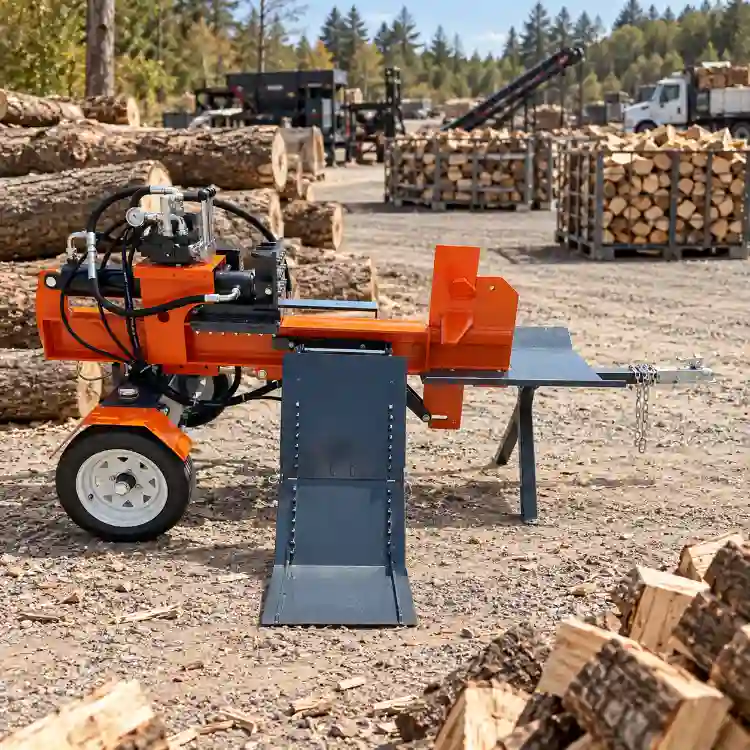
The RX500G is built for high-capacity firewood production. It is made for forestry businesses, farms, and commercial yards that need to turn raw logs into sale-ready firewood with fewer manual steps.
A Commercial Firewood Processor becomes valuable when it reduces the number of times one piece of wood is touched. RX500G supports that goal through powered cutting, splitting, and sizing in one production path.
RX500G Core Data
| RX500G Feature | Verified Detail | Why It Matters for Buyers |
| Engine Choice | 22 HP commercial V-Twin gasoline engine or 25 HP EFI V-Twin gasoline engine | Lets you match power level to standard commercial use or heavier daily production |
| EFI Commercial Option | Electronic fuel injection with ECU-controlled engine management | Helps improve fuel use, torque response, and operation in demanding work |
| Hydraulic System | Heavy-duty hydraulic force for large logs | Reduces manual strain when handling hard, wet, or oversized timber |
| Work Cycle | Automated cutting and splitting cycle | Cuts labor steps and helps raise daily output |
| Splitting Blade | High-strength Hardox horizontal X-Blade | Produces cleaner, more regular firewood pieces for sale |
| Firewood Size Range | Adjustable from 15 × 15 mm to 150 × 150 mm | Gives flexibility for stove wood, bundle wood, and bulk delivery needs |
| Operator Control | Powered, user-friendly controls | Helps reduce fatigue and makes the machine easier to run for long shifts |
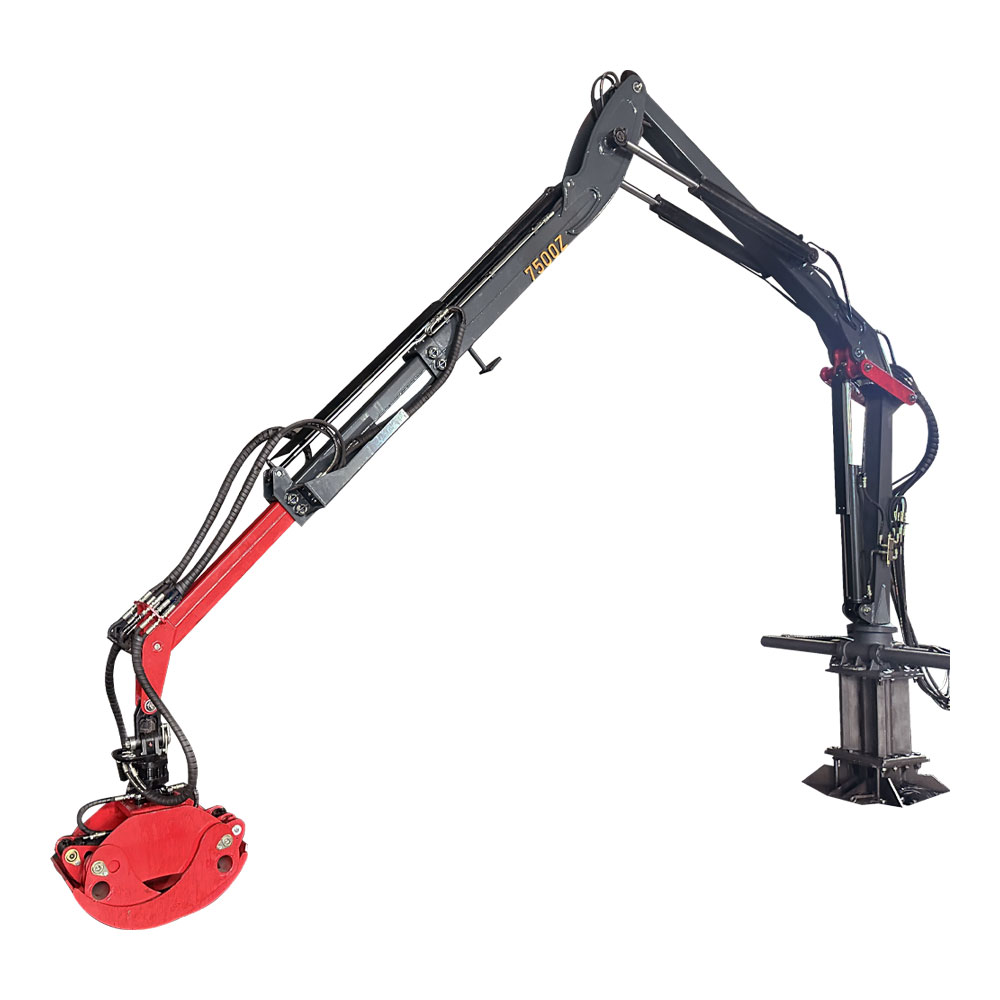
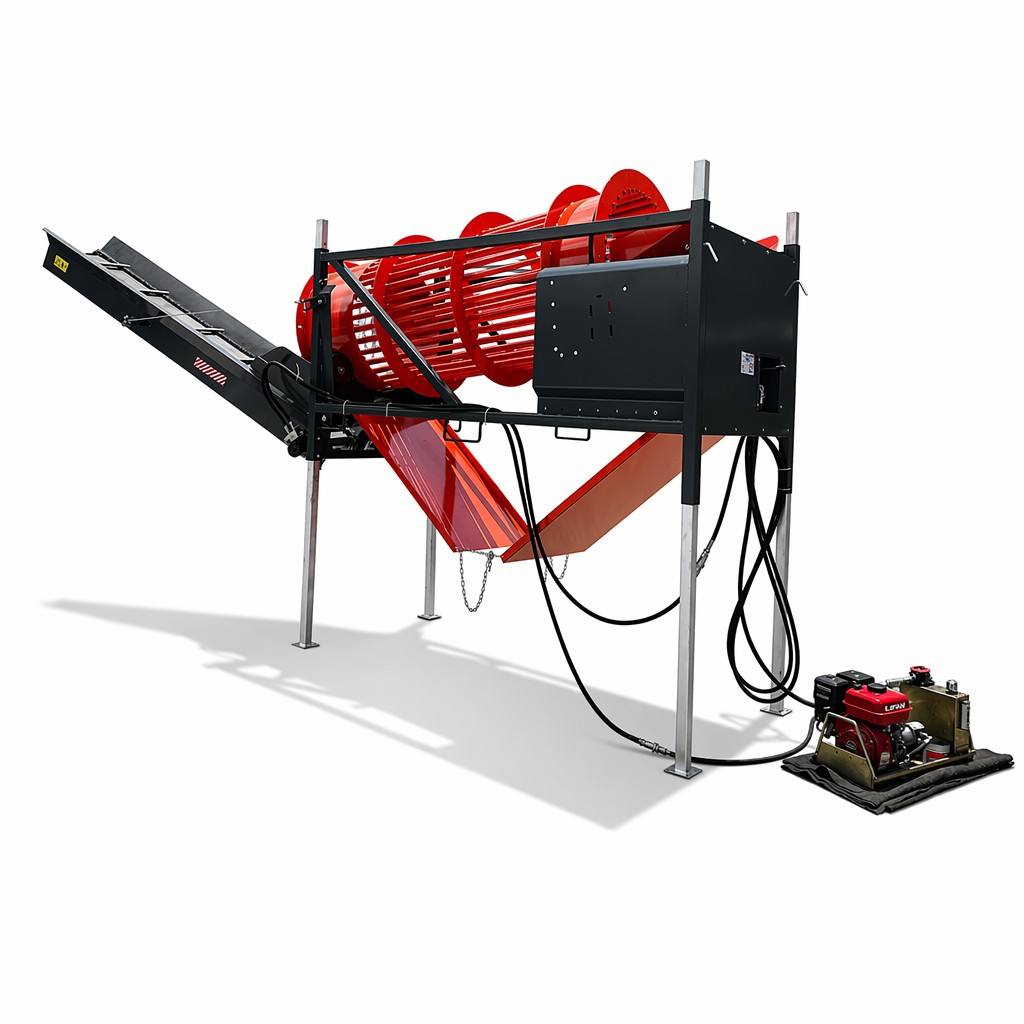
| Line Integration | Can work with infeed table, forestry winch, hydraulic rotator, and conveyor equipment | Supports a more complete firewood handling line |
Fewer Repeated Tasks
The key point is not only the engine or blade. It is the number of small jobs removed from the operator’s day. When feeding, cutting, splitting, and sizing follow a more controlled path, your crew spends less time correcting the same log twice. That is where real output gains usually come from.
How Does RX500G Handle Tough Logs With Consistent Results?
Heavy-Duty Hydraulic Force
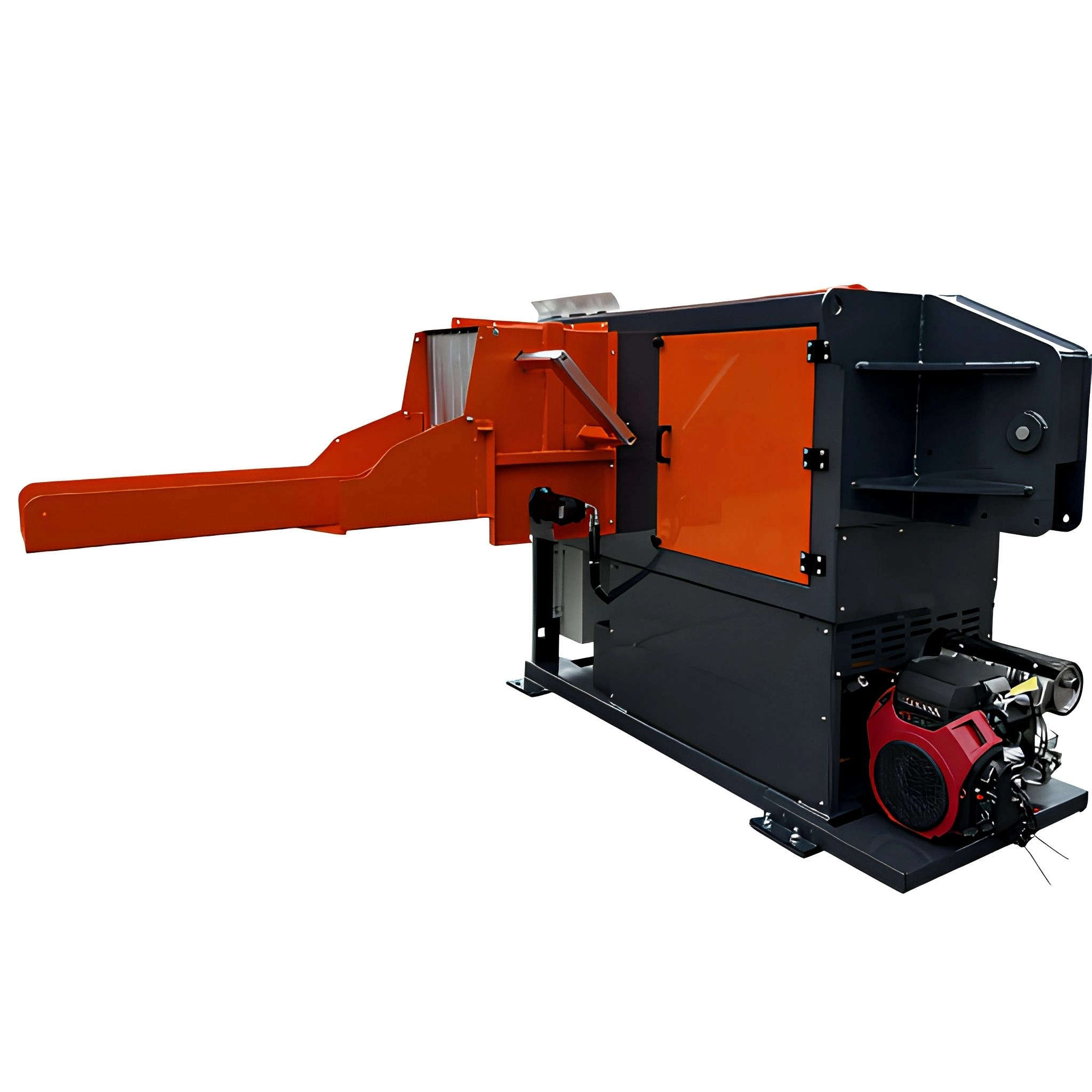
Tough logs slow weak machines. Dense hardwood, wet rounds, and knotted timber all need steady force. RX500G uses a heavy-duty hydraulic system to keep the process moving without asking workers to fight the log by hand.
For a yard running paid orders, this matters. A slow split here and there may look small, but repeated hesitation can disturb the whole production rhythm.
Horizontal X-Blade Performance
The Hardox horizontal X-Blade is one of RX500G’s strongest selling points. It is designed for durable, precise, and consistent splitting in long-term commercial use. More even pieces are easier to dry, stack, bag, and sell.
There is also a simple buyer-facing benefit: a clean pile looks more professional. When a customer sees consistent firewood, it gives the order a better finish before anyone talks about price.
Adjustable Firewood Size
RX500G can adjust firewood dimensions from 15 × 15 mm up to 150 × 150 mm. That range gives you room to serve different markets without changing the whole production setup. Smaller pieces may suit quick-burning uses, while larger pieces may fit bulk heating demand.
This is where a Commercial Firewood Processor helps more than a basic splitter. It gives your business more control over the finished product, not just more cutting power.
Why Pair RX500G With HC40G-HC60G-HC80G Firewood Conveyors?
Clear Discharge Flow
Even a strong processor can slow down if finished wood piles up at the exit. Once that area fills, someone has to stop and clear it. The processor waits, the operator waits, and the yard loses rhythm.
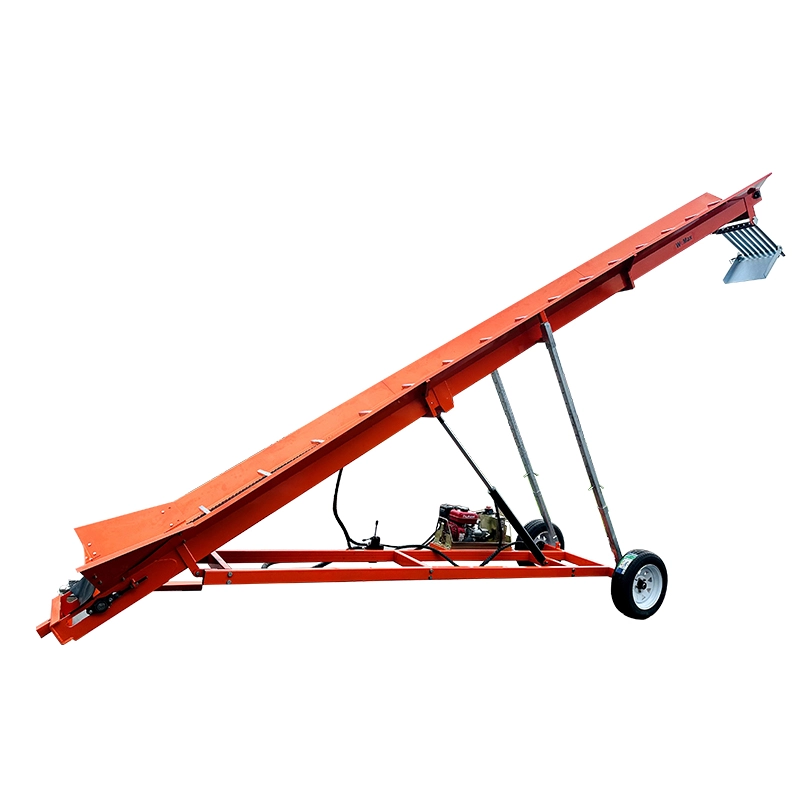
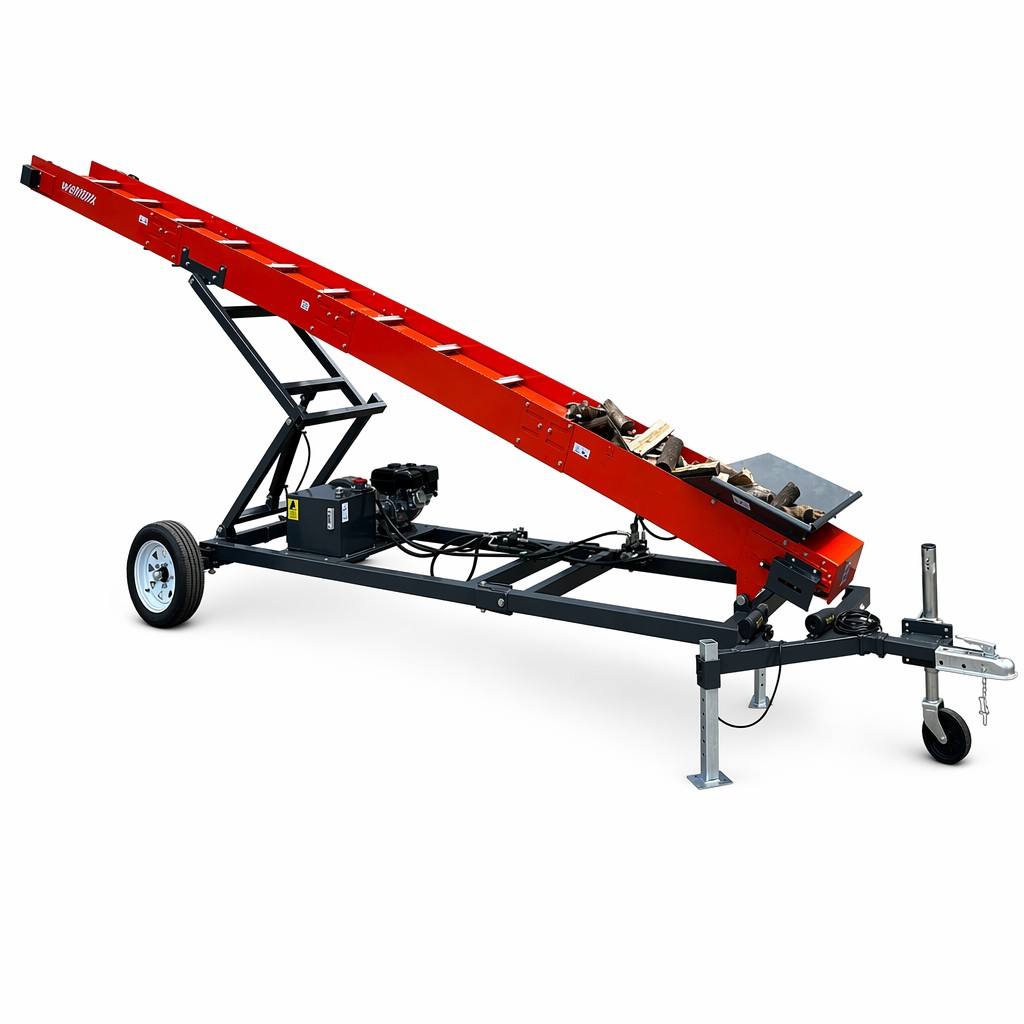
The HC40G-HC60G-HC80G firewood conveyor series helps move split wood away from the machine and toward a pile, trailer, or truck. This keeps the discharge area cleaner and reduces hand clearing.
Different Reach Options
HC40G suits smaller yards or short discharge runs. HC60G gives more reach for taller piles or truck loading. HC80G fits larger sites where you want longer movement and higher stacking.
When paired with RX500G, the conveyor is not just an add-on. It becomes part of the production line. The processor cuts and splits, while the conveyor keeps finished wood flowing away from the work zone.
Better Yard Layout
A small yard may need compact movement. A larger commercial site may need to build high piles or load trucks faster. Matching the processor with the right conveyor length helps keep workers out of the discharge area and reduces loader trips.
That is often where the quiet savings happen. Fewer steps, fewer blocked exits, and fewer “move that pile first” moments.
Which RX500G Setup Fits Your Yard and Order Volume?
Small to Medium Firewood Yards
If you sell local firewood or handle regular farm and property orders, RX500G with HC40G or HC60G can be a practical match. You get commercial cutting and splitting strength, plus enough conveyor reach to keep wood moving away from the machine.
This setup can suit farms, rural contractors, and local firewood sellers who need steady output without building a large fixed production line.
High-Volume Commercial Sites
If your yard handles larger seasonal orders, RX500G with HC80G is the stronger choice. The longer conveyor helps move finished wood farther and higher, which can reduce pile management and short loader trips.
During peak season, those small savings are easy to feel. A cleaner flow means fewer interruptions when the yard is full, the truck is waiting, and the weather is not helping.
Site Planning Points
Before choosing a setup, check your average log diameter, daily output target, preferred stacking method and so on. You can also look at RIMA’s real forestry applications to see how similar equipment works in actual job sites, then use its service support to confirm machine selection, setup details, spare parts, and after-sales needs.
Why Contact RIMA for Firewood Processing Support?
Practical Machine Matching
A machine should fit how your yard actually works. That includes log size, crew size, power preference, finished wood size, stacking height, and transport needs. RIMA can help you compare RX500G with HC40G, HC60G, or HC80G so the processor and conveyor work as one line.
Long-Term Production Value
A Commercial Firewood Processor is a production tool, not a one-season purchase. The right setup can reduce delays, lower hand labor, improve firewood consistency, and help you meet peak-season demand with less stress. To discuss log size, output target, conveyor reach, and yard layout, you can reach the team through the contact channel.
FAQ
Q: What Makes a Commercial Firewood Processor Worth Buying?
A: A Commercial Firewood Processor is worth buying when you need steady output, less hand labor, cleaner firewood size, and fewer stops during daily production.
Q: Can a Commercial Firewood Processor Handle Tough Hardwood Logs?
A: A Commercial Firewood Processor such as RX500G is built for demanding logs, using heavy-duty hydraulic force and a Hardox horizontal X-Blade to keep splitting more consistent.
Q: Should You Pair a Conveyor With a Commercial Firewood Processor?
A: A Commercial Firewood Processor works better with a conveyor when you need continuous discharge flow, easier stacking, and fewer pauses caused by finished wood piling up near the machine.





LEAVE A REPLY