




10th June 2026
Portable Sawmill Buying Guide: What to Check Before Cutting Your Own Lumber
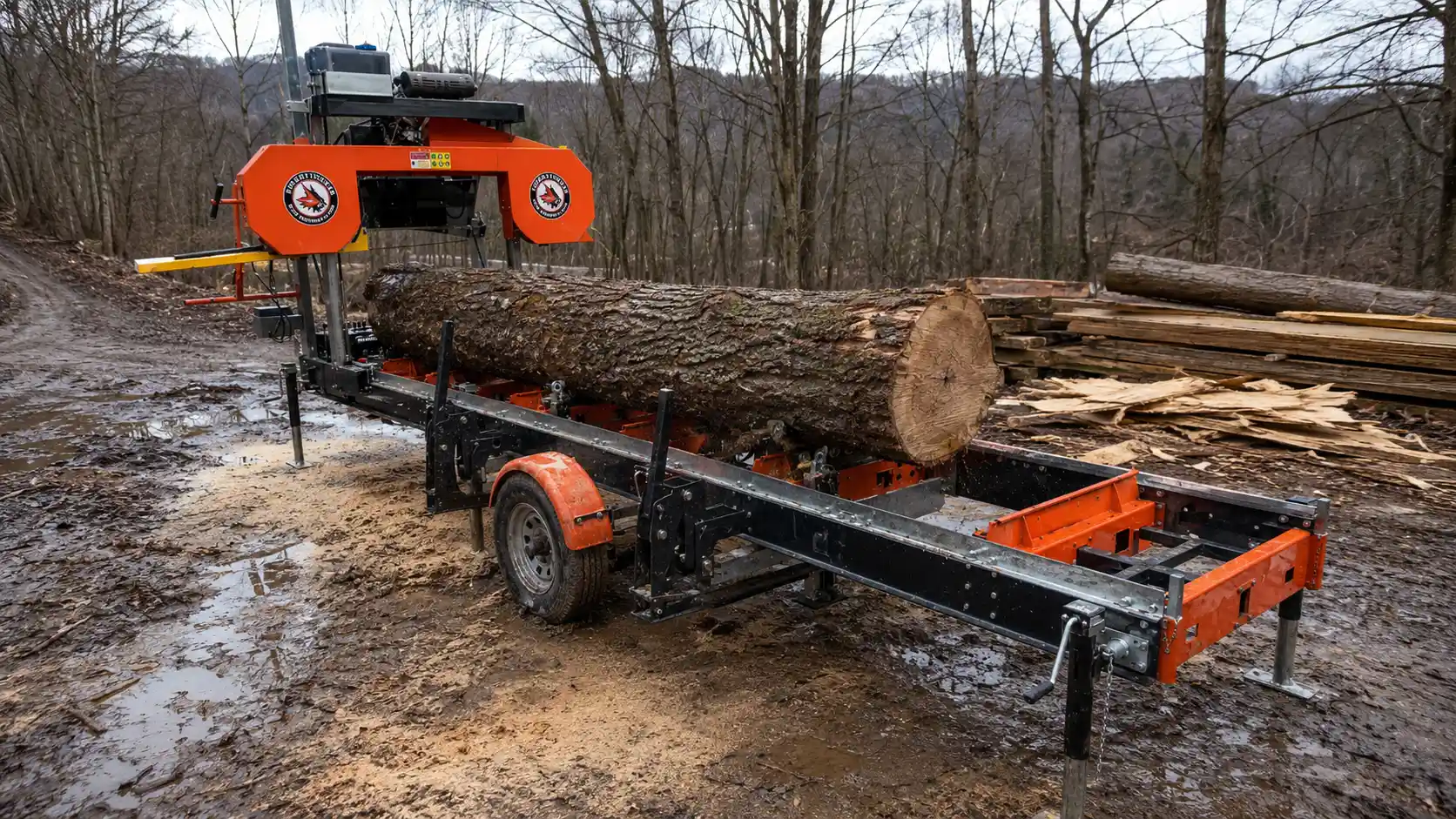
Investing in a portable sawmill changes the economics of raw timber. Instead of buying every board at retail prices, you can convert properly selected logs into usable lumber directly on your property. Without a clear checklist, buyers often buy capacity in the wrong place: too little throat size for local hardwood, too short a track for beams, or too much hydraulic complexity for occasional use. When choosing a portable sawmill, it is important to work with a manufacturer experienced in forestry machinery and demanding outdoor applications.
That is where RIMA comes in. The company focuses on heavy farm and forestry equipment, helping buyers match machines, parts, and technical support to real field applications. RIMA’s engineering team refines its heavy-duty designs based on field feedback from operators working in muddy yards, uneven woodland access roads, and high-load cutting conditions. In this guide, the RS36G-Deluxe is used as a reference model to show what buyers should check before choosing a Portable Sawmill.
Log Capacity And Track Dimensions
When large logs arrive at the mill bed, the first question is not horsepower. It is whether the machine can accept the log safely and still leave enough room for clamping, blade travel, and stable cutting. A high-capacity sawmill can reduce the need for pre-trimming when the log is within the machine’s rated diameter and properly prepared.
Maximum Log Diameter Limits
Throat capacity is the first hard limit in sawmill selection. If the log exceeds the rated opening, no engine upgrade can compensate for that mismatch. Stepping up to a 36-inch diameter capacity keeps you from walking away from premium old-growth hardwood logs. The RS36G is rated for logs up to 36 inches in diameter and can process wide slabs when the log is correctly positioned and secured.
Maximum Cutting Length Capabilities
Track length matters when your work moves beyond short boards into beams, slabs, cabin materials, or custom structural pieces. The featured 36-inch model gives you nearly 188 inches of actual cutting capacity out of the box. The 236.2 × 39.8 inch standard track supports a cutting capacity of about 188 inches, so custom lengths should stay within the rated cutting range or require an appropriate extension setup.
Bed Frame Structural Stability
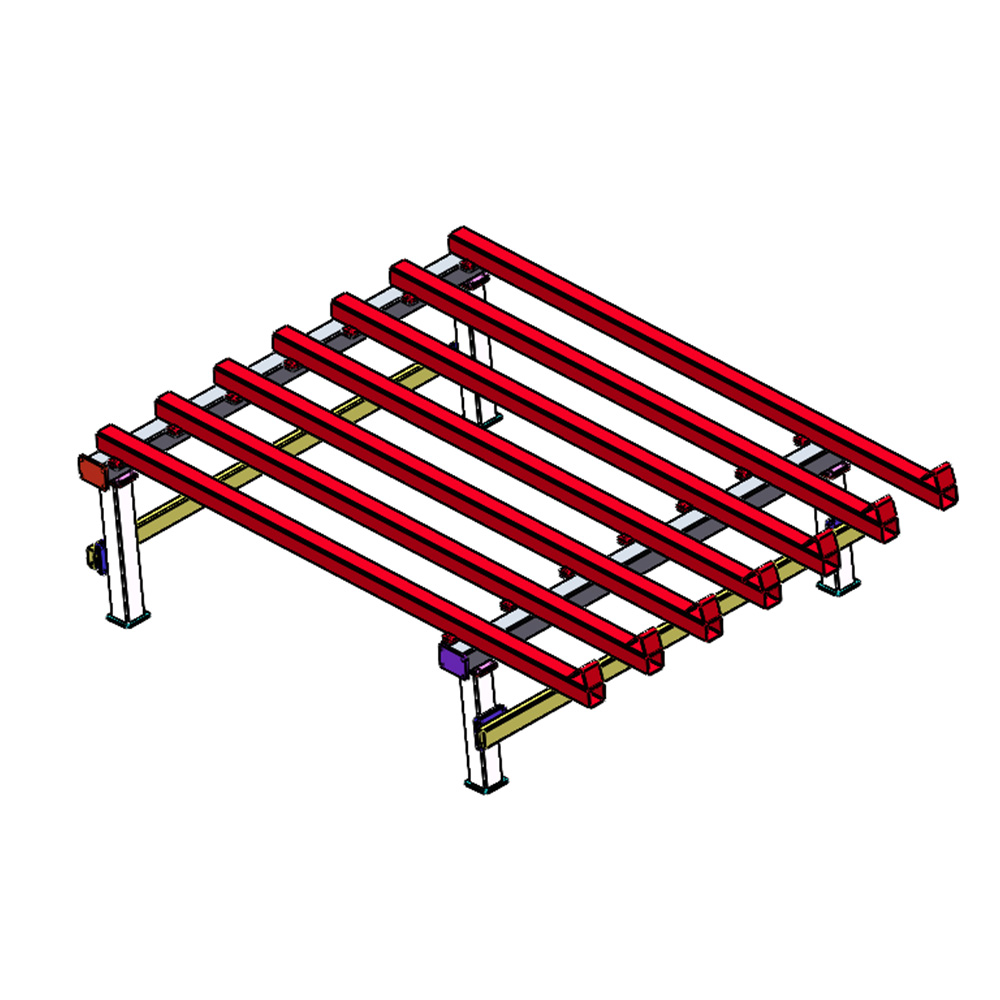
Heavy logs place significant load on the sawmill bed and frame during loading. Light-duty stamped frames may deform over time under repeated loading, turning, and clamping pressure. You want a premium quality welded steel frame to absorb the shock. The 4-frame / 4-post structure helps improve cutting stability and reduce the risk of deflection, which supports more consistent board quality.
| Specification | Standard Entry Mill | RS36G-Deluxe Hydraulic Mill |
| Max Log Diameter | 26 inches | 36 inches |
| Cutting Length | 110 inches | 188 inches |
| Blade Wheel Diameter | 18.8 inches | 20.0 inches |
Power Options And Engine Performance
Once the log sits tight on the deck, you need raw torque to push a band blade through solid grain.
Gasoline Engine Horsepower Ratings
Processing wide slabs requires stable power output and enough usable torque to maintain blade speed through dense grain. A 27HP heavy-duty gasoline engine with electric start provides the sustained push to slice right through hard knots. Lower-powered engines may require a slower feed rate, especially when cutting dense hardwood or wide slabs. A 764cc engine displacement helps the mill maintain cutting momentum during long passes, especially when working with dense hardwood or wider slabs.
Electric Motor Alternative Configurations
For fixed workshop milling, a three-phase electric configuration is often selected for air quality, lower noise, and reduced gasoline-engine maintenance. The electric version of the RS36G features a 14.8 HP, 400V power that cuts out exhaust fumes and dampens the noise. This setup reduces gasoline-engine maintenance requirements and is more suitable for indoor or fixed workshop environments.
Torque Transfer Efficiency Systems
Engine power should be supported by reliable power transmission and stable saw head control. Reliable sawmills use heavy-duty components and powered saw head controls. This flagship model lets you quickly move the saw head up, down, forward, and reverse mechanically. This direct control transfers energy smoothly, giving you a cleaner cut surface.
Manual Versus Hydraulic Log Handling
Turning a massive wet log by hand drains your energy fast. Wrestling timber with manual cant hooks just wears you out.
Physical Labor During Manual Milling
After five hours of rolling logs in the mud, operator fatigue sets in, feed rates drop, and safety risks spike. Anyone who has pinched a finger under a shifting log knows this reality all too well.
Hydraulic Log Turner Efficiency Gains
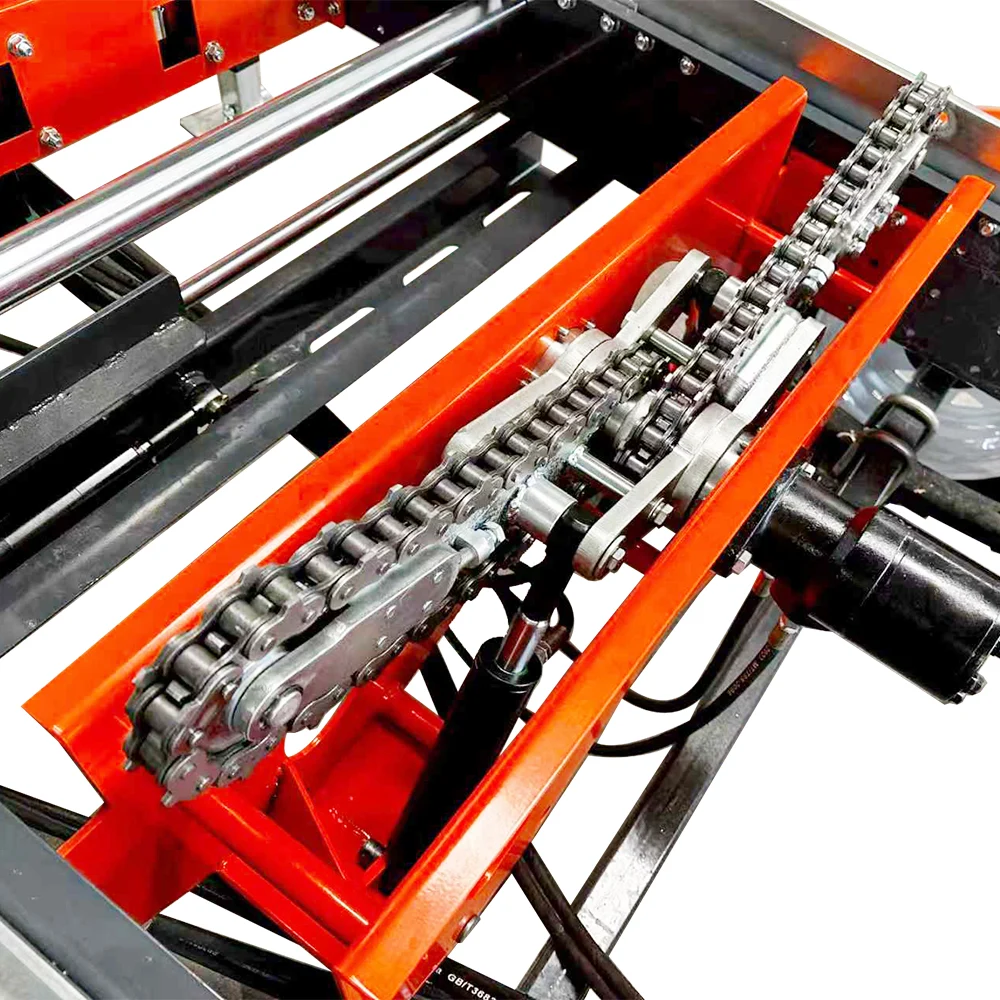
Hydraulic handling reduces repetitive manual work, shortens log positioning time, and helps operators maintain steadier output over a full cutting day. The hydraulic steel log turner helps rotate heavy logs within the machine’s rated operating range with less manual effort. Hydraulic roller toe boards, such as those on the RS36G-Deluxe, help level the log and position the cut line more accurately before each pass. The integrated hydraulic lifter is rated up to 4409 lbs, helping reduce manual loading work and improve handling efficiency under suitable operating conditions.
Heavy-Duty Automated Clamping Mechanisms
When the blade meets a dense knot, the log can shift if it is not clamped firmly enough. Two sets of hydraulic log clamps and adjustable side supports lock the wood down tight. They stabilize the material against intense cutting forces. The hydraulic clamps and side supports help stabilize the log during sawing, improving cut consistency and reducing material movement.
Blade Dynamics And Cutting Precision
The engine provides the push, but the blade dictates the final finish of your lumber.
Carbide-Tipped Band Wheel Alignment Integrity
Large 20-inch blade wheels significantly reduce the bending stress on the metal band. When paired with a massive 181-inch blade featuring 209 carbide teeth, this rigid tracking keeps your cuts accurate. Larger blade wheels can reduce bending stress on the blade, which may support longer blade life when the blade is properly tensioned and maintained.
Automatic Blade Lubrication System Application
Cutting through sticky softwoods like pine causes fast pitch buildup. An automatic blade lubrication system applies fluid directly to the cutting surface. Found built right into the RS36G-Deluxe, this automatic blade lubrication system on the RS36G helps reduce friction and pitch buildup, supporting steadier cutting performance; final cut quality still depends on blade condition, feed rate, and wood type.
Adjustable Blade Guide Configuration Controls
You want the guide as close to the wood as possible. An adjustable blade guide reduces the exposed span of the band. Moving the guide closer minimizes flutter. This adjustment helps reduce blade flutter and supports more consistent board thickness, especially during wider or harder cuts.
Mobility And Site Adaptability Factors
Mobility matters when your logs are located away from the main work area. A portable sawmill should be easy to tow, level, and stabilize before cutting begins. You have to move it safely.
Trailer Axle And Torsion Suspension Quality
For true off-grid work, your setup needs a heavy steel sub-frame. Highway-rated 195/60R14 tires, proper fenders, trailer lights, and a 2-inch ball coupler make the RS36G-Deluxe suitable for transport to remote job sites when local towing rules are followed. The suspension system helps reduce vibration during transport on uneven access roads.
Leveling Jack Ground Stabilization Methods
Forest floors are rarely flat. Setting up on a muddy slope requires solid outriggers. Six heavily rated 3000 lbs support jacks let you stabilize and precisely level the entire 20-foot bed frame before you start cutting. A properly leveled base helps reduce track movement and supports stable cutting under heavy timber loads.
Compact Layout Options For Workshop Storage
If you mill seasonally, space becomes valuable. A smart design balances heavy-duty cutting power with a footprint that stores neatly. With trailer lights and a 2-inch ball coupler, the machine can be moved and stored in a suitable covered area when space, floor strength, and access allow.
| Task | Manual Handling | RS36G-Deluxe Hydraulic Handling |
| Loading a 30-inch log | 5 to 10 minutes | Under 30 seconds |
| Turning for the next cut | 3 to 6 minutes | Under 15 seconds |
| Daily Operator Fatigue | High | Very Low |
Premium Portable Sawmill Solutions For Your Project
Taken together, these specifications indicate a mill designed for demanding commercial cutting, frequent log handling, and buyers who need more than occasional backyard sawing.
High Performance Of The RS36G-Deluxe System
When you want to stop wrestling logs and start producing real timber, a hydraulic setup like the RS36G is a strong option for buyers who need higher log-handling efficiency and reduced manual labor.You can review similar successful setups through their case portfolio to see how commercial operators run these hydraulic machines day in and day out.
Customized Manufacturing Service Options
For distributors, buying off the shelf is rarely enough. The brand offers dedicated service platforms to manage technical modifications. They provide OEM and ODM services and can discuss technical modifications or certification requirements for different regional markets.
Direct Sourcing Contact Channels
Before choosing a final configuration, confirm log size, wood species, required cutting length, site access, power supply, and expected daily output with the manufacturer. Contact the manufacturer directly to confirm specifications, configuration options, pricing, and project requirements.
FAQ
Q: What is the main advantage of a Portable Sawmill over a chainsaw mill?
A: A chainsaw mill can be affected by chain movement and a wider kerf, which may reduce lumber yield and create more sawdust waste. A portable bandsaw mill uses a track and blade guide system to improve blade tracking and cutting stability. You can usually produce flatter, more consistent boards more efficiently than with a basic chainsaw milling setup. Also, the band blade usually creates a narrower kerf than a chainsaw chain, helping reduce sawdust waste.
Q: Do I need a hydraulic log turner for my milling operation?
A: Handling a wet oak log with only a manual hook can become tiring after just a few cuts, especially when the log is large or uneven. If you often process logs above 24 inches, a hydraulic log turner can significantly reduce manual handling and improve workflow efficiency. It can reduce heavy manual rolling and help lower operator strain, although actual handling time depends on log weight, shape, and site conditions. That means the blade stays busy, and your daily board-foot output goes way up.
Q: Can I run a gasoline-powered mill indoors?
A: A gasoline-powered mill should not be used in enclosed or poorly ventilated indoor spaces because of carbon monoxide and exhaust risks. Running one inside a closed barn or garage is just a massive health risk. If your setup requires cutting lumber indoors, you have to switch over to an electric motor build. A 14.8 HP, 400V electric power unit can provide stable torque for dense-grain cutting while reducing exhaust concerns and lowering noise in fixed workshop environments.




LEAVE A REPLY