




13th May 2026
Vertical vs. Horizontal Log Splitters: Which Design is Best for Processing Heavy Hardwoods?
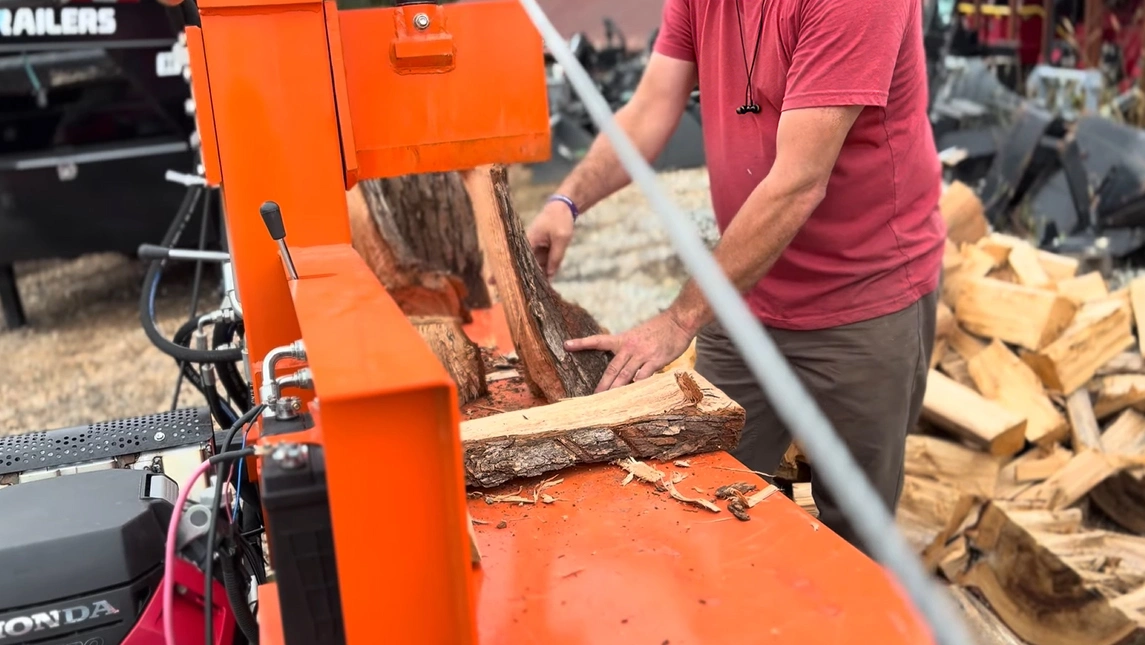 If you run a commercial firewood business, you already know that splitting massive oak or hickory rounds is very different from processing soft pine. Running standard machines beyond their rated capacity can lead to jammed wedges, damaged cylinder seals, and lost production time. When tackling dense wood, choosing the right machinery becomes the most critical decision you make. You need heavy-duty log splitters built to take on the toughest part of the job.
For years, RIMA has worked directly with forestry professionals worldwide as a manufacturer of commercial wood-processing equipment. Rather than relying on off-the-shelf assemblies, RIMA builds customized, high-output solutions that reduce operator fatigue and increase daily cord production. With short cycle times and ergonomic designs, their machines help turn backbreaking work into a more efficient and profitable operation. Now let’s compare the two main splitter designs and see which one fits your firewood yard best.
The Challenge of Processing Heavy Hardwoods
Properly seasoned hardwoods offer high heat value for firewood sales, but processing them while green or wet means dealing with high weight, tight grain, and greater splitting resistance.
Density and Splitting Resistance
Oak, hickory, and maple have dense fiber structures that make them harder to split. A lower-powered splitter may stall, go into relief, or require multiple passes on a knotty 24-inch oak round. You need strong hydraulic force to shear through these tough rounds without stalling the engine or overheating the hydraulic system.
Operator Fatigue and Back Strain
A freshly cut 20-inch oak round, even at a one-foot length, can easily weigh more than 100 pounds. Lifting these heavy rounds repeatedly over an eight-hour shift can put serious strain on a worker’s lower back. As fatigue builds throughout the day, productivity drops and labor costs rise.
The Need for Specialized Equipment
Residential splitters quickly fail under this commercial strain. Commercial firewood production requires machines built for high-volume work and large-diameter logs. If the frame flexes or the hydraulic pump struggles under pressure, the machine is not built for commercial hardwood splitting.
Horizontal Log Splitters: Pros and Limitations
Many operators start with a horizontal splitter because the design is familiar, but its limitations become clear when handling oversized hardwood rounds in a commercial yard.
Standard Firewood Processing Output
Horizontal models work well when processing straight, uniform softwood logs. They slide the wood across a flat steel beam into a stationary wedge. For light farm work or occasional firewood preparation, this traditional layout is usually sufficient.
Challenges with Oversized Hardwood Rounds
If you have ever tried to balance a 150-pound twisted oak round on a narrow horizontal beam, you know how difficult it can be. When a heavy, irregularly shaped hardwood round is placed on a horizontal beam, it can easily roll off. Trying to steady a large, uneven round while operating hand controls can create a serious safety risk.
Space and Conveyor Integration Restraints
Attaching an output conveyor to a traditional horizontal machine requires awkward positioning. Basic horizontal splitters are not always designed for smooth conveyor integration, especially when handling irregular oversized rounds. Split wood may fall unevenly from the end of the machine, making it harder to feed pieces cleanly onto a conveyor or into a truck bed.
Why Vertical Designs Help with Heavy Hardwood Rounds
To address lifting and stability issues, many commercial firewood producers have moved toward vertical designs for heavy hardwood splitting.
Natural Gravity Alignment
A vertical design uses gravity to your advantage. The heavy round sits flat on a solid steel base plate, giving the operator a more stable working position. There is no need to balance the log on a narrow beam before the wedge comes down. The base plate gives the round a more stable resting point, reducing the need to balance it on a narrow beam.
Enhanced Operator Safety and Ergonomics
Instead of bending over a low beam, operators can work in a more upright position. The operator can roll or slide the log onto the cutting plate instead of lifting it onto a beam. This helps reduce injury risk and keeps the crew working at a steadier pace throughout the day.
Handling Massive Hardwood Rounds
A vertical machine is better suited for thick, knotty rounds that are difficult to lift or balance. If a round is too heavy to lift, it can remain supported on the base plate while the wedge splits through it. The machine’s heavy-duty frame absorbs the splitting force instead of placing that burden on the operator.
Key Features to Look for in a Hardwood Log Splitter
Choosing the right orientation is only the first step. To run a profitable firewood operation, a modern log splitter needs commercial-grade features that support consistent, high-volume production.
Fast Cycle Times for Higher Commercial Output
In firewood production, every second affects output and labor cost. A standard machine takes 15 seconds to complete a full stroke. Waiting for the wedge to return can significantly reduce daily output. For commercial operations, cycle times under 5 seconds help keep material moving continuously.
Hydraulic Log Lifts for Pain-Free Loading
High-volume production is difficult when operators have to load every round by hand. A hydraulic log lift raises heavy rounds from the ground and positions them directly on the work table. This feature can turn a strenuous two-person task into a more manageable one-person operation.
Hands-Free Operation Mechanisms
Many modern commercial splitters use foot-pedal controls. With foot-pedal controls, the operator can keep both hands free to position the log safely. This helps speed up positioning while keeping hands farther from the splitting zone.
Why the Super20 Works Well for Many Commercial Hardwood Applications
A machine that combines vertical splitting, fast cycle times, and hydraulic lifting can greatly improve hardwood processing efficiency.
20-Ton Commercial Splitting Power
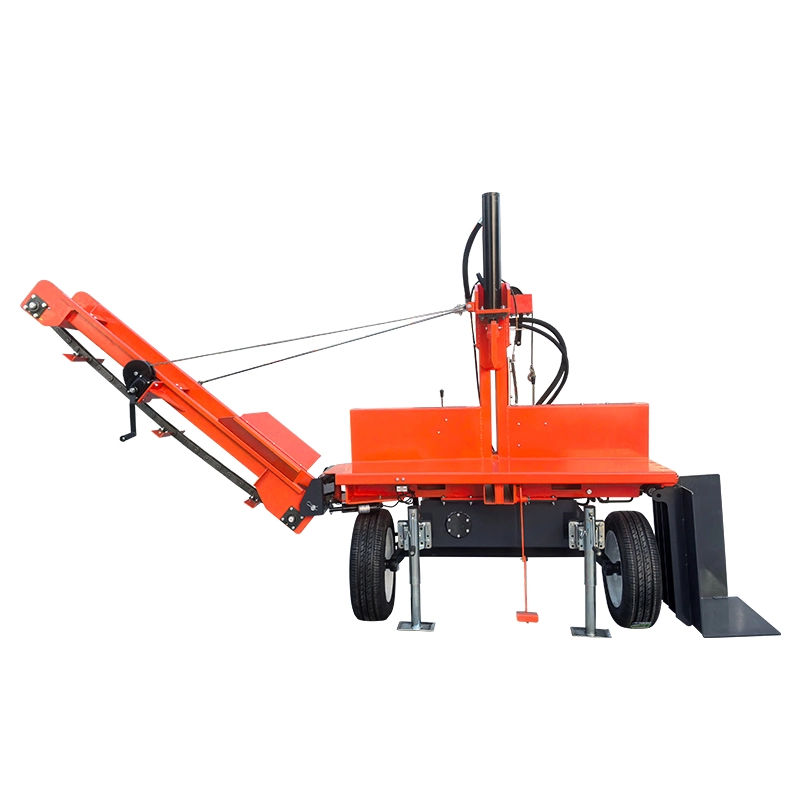
The Super20 delivers 20 tons of splitting force, making it suitable for many dense hardwood rounds cut to standard firewood length. It offers a practical balance of splitting power and fuel efficiency for dense oak and similar hardwoods.
3-Second Fast Cycle Time
Minimize waiting time between splits. Powered by commercial-grade engines, the machine delivers a fast 3- to 4-second cycle time. (On the GX630-powered version, the Super20 reaches a 3-second cycle time, while the 14HP Kohler version delivers a 4-second cycle time.) Upgrading to a high-speed log splitter can significantly increase hourly production.
| Feature / Specification | Standard Horizontal Machine | The Super20 |
| Average Cycle Time | 15 seconds | 3 to 4 seconds |
| Hourly Output (Estimated) | 0.8 Face Cords | 2.5 Face Cords |
| Loading Method | Manual Lifting | Hydraulic Log Lift |
| Control Method | Hand Levers | Hands-Free Foot Pedal |
Vertical Design with Foot Pedal Control
This unit uses a vertical design and an intuitive foot-pedal control system. It also includes a built-in swing conveyor, allowing freshly split wood to move directly into a truck or storage bin without being handled again.
Partner with RIMA for Your Firewood Business Needs
Upgrading your yard equipment requires a manufacturer that supports its products long after the sale.
Proven Case Studies in Forestry
Seeing equipment perform in real firewood-yard conditions is important. You can review the Cases page to see how these machines help firewood businesses increase daily cord production when handling heavy timber.
Comprehensive After-Sales Service
Heavy machinery requires solid backing. Through RIMA’s service network, customers can access wear parts, maintenance guidance, and technical support to reduce downtime.
Custom Solutions and Contact Information
Every firewood yard operates differently depending on local timber species, log size, and production targets. If you are ready to reduce labor strain and improve production efficiency, visit the Contact Us page. The technical team can help match your wood types and production goals with a suitable industrial setup.
FAQs
Q: Can vertical Log Splitters handle wet or unseasoned hardwood?
A: Yes. Wet hardwood is incredibly heavy and fibrous, but a vertical design allows you to stabilize the massive weight firmly on the ground plate while the high-tonnage wedge shears right through the tough, stringy grain.
Q: How much does a 3-second cycle time actually improve daily output?
A: Moving from a 15-second cycle to a 3-second stroke essentially eliminates operator waiting time. You can process nearly three times the amount of wood in a standard eight-hour shift, directly lowering your labor costs per cord.
Q: Is it safe to use a foot pedal control?
A: Absolutely. Foot pedals actually increase workplace safety by allowing you to keep both hands firmly on the wood to guide it into place. This keeps your hands highly visible and well away from the cutting wedge during the active stroke.




LEAVE A REPLY