



CONTACT US
HOME // PRODUCTS // FOREST & FIREWOOD // Branch Saw/Cutter // Excavator Saw Head SH600

PRODUCTS

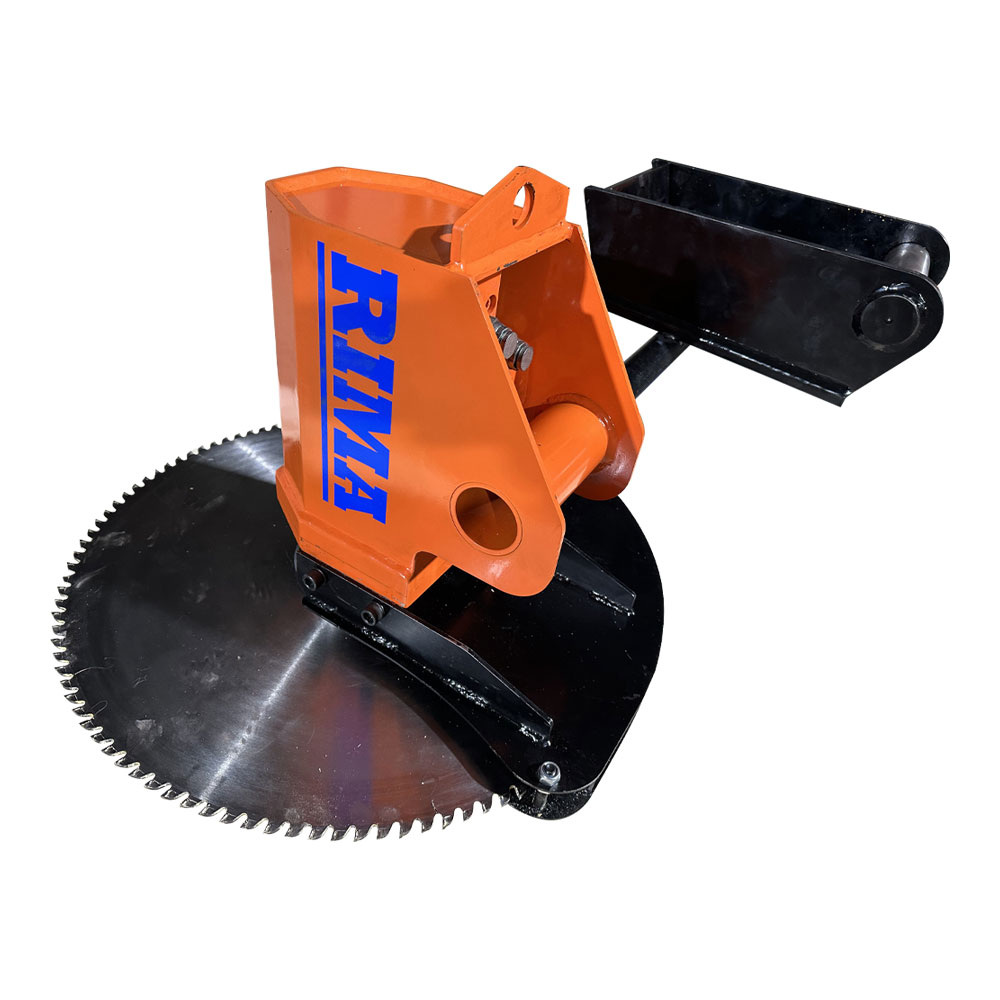
Excavator Saw Head SH600

Cut firewood - trim branches - clear brush

High speed saws for cutting timber and firewood

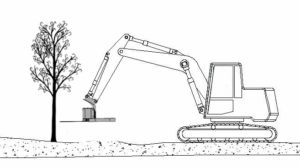
Hold vertically for trimming hedge and branch

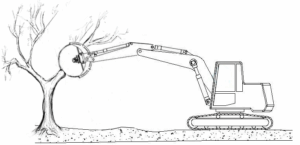
Horizontally for cutting standing tree

Use with manual rotation unit

Cutting branches with vertical blade

Cutting standing trees with horizontal blade

Model SH600 SH600 SH800
Excavator 3-8ton 3-8ton 3-8ton
Max. torque 600Nm 600Nm 600Nm
Standard adapter for excavator S40/S50(or MS03) S40/S50(or MS03) S40/S50(or MS03)
Max. log Dia. 200mm 200mm 300mm
Carbide saw blade Dia. 600mm 600mm 800mm
Cutting direction Horizontal & vertical Horizontal & vertical Horizontal & vertical
Motor overload protection system Yes Yes Yes
Cutting direction adjustment Manual Manual Manual
Rotation speed 500-750rpm 675-855rpm 675-855rpm
Working pressure 14-17Mpa 17-20Mpa 17-20Mpa
Required Flow 25-40L/min 40-75L/min 40-75L/min
Size 830x675x490mm 830x675x490mm 830x675x490mm
Packing size (wood box) 650x650x520mm 650x650x520mm 650x650x520mm
- OUR PRODUCTS

RELATED CHAIR

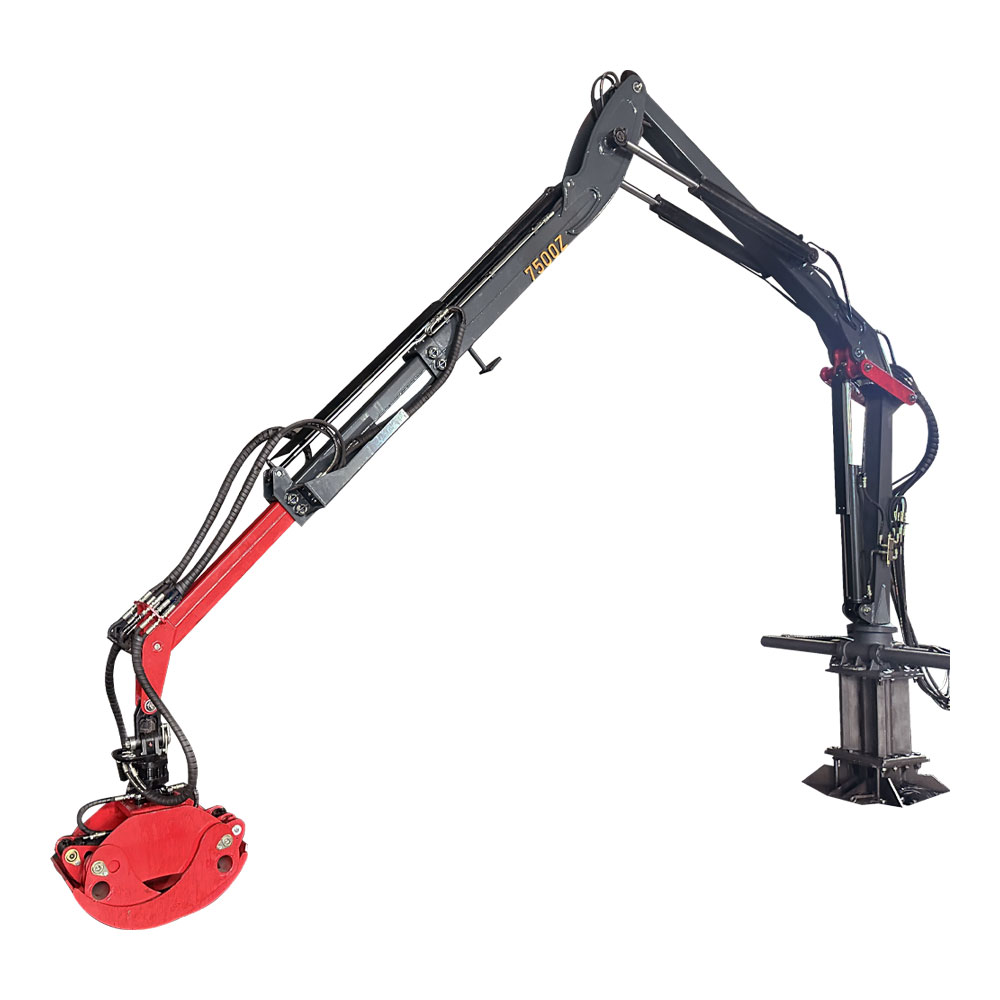
Branch Cutter
For Excavator/Backhoe Loade/Tractor
FB254M
Firewood Bundler Firewood Wrapper Machines
RS36G-Deluxe(Hydraulic+Portable)
Portable Hydraulic Sawmill RS36G Deluxe(Hydraulic+Portable) is hydraulic portable sawmill with complete hydraulic log handling system,also features a cutting capacity for sawing 36" diameter logs up to 20' in length. Built with a premium quality welded steel frame, and powered head controls, auxiliary rolling system,hydraulic log turner, hydraulic log lifter and hydraulic clamp & two hydraulic side supports.RS36G/E-HD hydraulic portable sawmill is perfect for sawyers looking to reduce manual labor and increase productivity.
HT10T
The RIMA hook lift trailer is engineered for durability, ensuring reliable performance even in the most challenging environments. Its sturdy build allows it to withstand heavy loads with ease, providing a secure and efficient means of transporting goods. The trailer's construction is optimized for longevity, minimizing maintenance requirements and maximizing operational uptime.

RECENT
BLOG ARTICLES

4 Key Procurement Criteria for Industrial-Grade Log Splitters in 2026

29
April
If you buy equipment for commercial firewood production, choosing a Log Splitter is no longer just about power and price. In 2026, buyers care more about real output, operator fatigue, mobility on the jobsite, hydraulic speed, and after-sales support. A machine may look strong on paper, but if your crew still has to drag heavy rounds, stop often, or work around awkward controls, production drops fast. For forestry dealers, rental fleets, firewood yards, farms, and wood-processing contractors, the real question is simple: which machine can help your crew stay productive when logs are heavy, the ground is rough, and orders keep coming in? If you are comparing professional forestry equipment, RIMA is a practical name to know. The company designs, builds, and supplies farm and forestry equipment, including firewood processors, sawmills, wood chippers, tree-cutting machines, stump grinders, and log-splitting machinery. Its team works with OEM and ODM buyers across Europe and North America, with machines shaped by durability requirements, field feedback, product testing, and responsive support. That matters because industrial buyers need more than a machine. They need a supplier who can answer technical questions, handle repeat orders, and match each configuration to local working conditions. A strong example for demanding wood-splitting work is the LS37PRO-T, a heavy-duty model with a crawler track system, hydraulic log lifter, hydraulic 4-way box wedge, and integrated control layout. Industrial Log Splitter Buying Priorities in 2026 Commercial Firewood Production Needs Start with the workload you need the machine to handle. A homeowner-grade machine may handle weekend splitting, but commercial production demands more. You need consistent cycle times, strong splitting force, easier material handling, and a frame built for daily use. Under U.S. measurement standards, a full cord of firewood is 128 cubic feet. That number matters because commercial buyers measure output by cords per day, not by one log at a time. If your crew sells by the cord, every delay in loading, splitting, moving, and stacking adds to your cost. Heavy Hardwood Processing Standards Industrial buyers often process oak, hickory, beech, ash, maple, or mixed hardwood. These logs are not always straight, clean, or dry. Knots, crotch sections, twisted grain, and large rounds can slow down lighter-duty machines. This is where the LS37PRO-T starts to make sense for high-volume work. Its 37-ton splitting force and 610mm splitting length make it better suited to large hardwood rounds. The 24HP version comes with a 5.5-second cycle time, 111.6L/min hydraulic pump capacity, a 50L hydraulic tank, a hydraulic oil cooler, and a 5″×24″ hydraulic cylinder. These specifications matter because they influence how smoothly your crew can load, split, and clear wood over a full shift. Product Fit for Professional Buyers The LS37PRO-T is a good fit if you need one machine for tough logs, outdoor yards, and high-volume work. It is built more for commercial yards and professional firewood operations than occasional backyard splitting. That makes it especially relevant for firewood producers, forestry contractors, farms, rural dealers, and rental companies that need stronger splitting power with less manual handling. The best choice is the machine that balances power, handling, mobility, and control. Power alone is not enough. A serious industrial machine also needs easy log handling, jobsite mobility, steady hydraulics, and controls that still feel natural after a long shift. Criterion 1: Splitting Power and Box Wedge Efficiency 37-Ton Splitting Force Splitting force is still the first number many buyers check, and for good reason. A 37-ton rating gives the LS37PRO-T the force needed for dense hardwood, knotty rounds, and twisted grain. In daily work, that can help reduce failed splits, less repositioning, and fewer extra passes. Do not judge a splitter by tonnage alone. If the wedge design is slow, or the pump cannot feed the cylinder fast enough, the machine still wastes time. That is why the hydraulic system and wedge design matter just as much as raw force. Hydraulic 4-Way Box Wedge A standard single wedge divides one log into two pieces. A hydraulic 4-way box wedge can split a suitable round into several pieces in one stroke, depending on log size and positioning. If you sell stove wood, that difference matters every day. You get more finished pieces per cycle and spend less time touching the same log twice. The LS37PRO-T uses a hydraulic 4-way box wedge as standard, with a 160mm hydraulically adjustable wedge height. That gives you more control over piece size, especially when log diameter changes from batch to batch. Faster Multi-Piece Output Here is a quick way to compare what matters in daily production: Procurement Factor Verified Data Point Why It Matters Firewood sales unit 1 cord = 128 cubic feet Output should be judged by volume, not just single-log speed Manual lifting reference NIOSH lifting equation starts from 51 lb, or about 23 kg, under ideal conditions Heavy rounds may quickly exceed sensible manual handling limits LS37PRO-T log lifter Up to 200 kg hydraulic lifting capacity Better for large rounds and long work sessions LS37PRO-T splitting force 37 tons Suitable for dense hardwood and commercial loads LS37PRO-T cycle time As fast as 5.5 seconds on 24HP models Supports steady production when paired with efficient log loading and clearing The NIOSH lifting equation uses a 51 lb load constant under ideal lifting conditions, then adjusts that number down based on reach, posture, twisting, frequency, and grip quality. OSHA also refers to this 51 lb starting point when discussing manual lifting risk. In real firewood yards, logs are rarely ideal loads. That is why mechanical lifting and fewer handling steps are worth paying for. Criterion 2: Jobsite Mobility and Crawler Track Stability Standard Crawler Track System A Log Splitter that cannot reach the work area may look good in a showroom but fail in the yard. Forestry work rarely happens on smooth concrete. You may need to move across mud, gravel, wood chips, slopes, farm lanes, or uneven storage areas. The LS37PRO-T comes with a standard track system. This matters if you want the machine to move around the site without relying on a tractor, ATV, or constant towing. The crawler setup helps the machine move where wheels may sink, slip, or struggle. Rough Terrain Movement Crawler tracks spread the machine’s weight across a wider contact area. In practical terms, that means better grip and lower ground pressure. For firewood yards, woodland edges, farms, and rough storage sites, this can cut setup time and help you position the machine closer to the log pile. It also makes the workflow more efficient. You can bring the splitter closer to the pile and reduce how far your crew needs to move each round. Over a full day, that difference shows up in fuel use, labor hours, and operator fatigue. Stable Forestry Operation The LS37PRO-T weighs up to 1010kg, depending on configuration. With its crawler base and rugged frame, that weight helps the machine stay planted during heavy splitting. A lighter unit may be easier to ship or store, but heavy hardwood work calls for weight, grip, and frame strength. Criterion 3: Labor Reduction and Hydraulic Log Handling 200kg Hydraulic Log Lifter Manual loading is often the hidden cost in wood splitting. Even if the cylinder is fast, the operator still spends time and energy rolling large rounds onto the beam. The LS37PRO-T addresses that pain point with a hydraulic log lifter rated up to 200kg. That feature is not just about comfort. It helps keep production moving. The operator can bring heavy logs from ground level to splitting height with far less strain. Reduced Manual Lifting Risk If your team splits all day, fatigue becomes a safety issue. Tired workers move slower, make more mistakes, and are more likely to get hurt. A hydraulic lifter takes much of the strain out of the hardest part of the job: handling awkward hardwood rounds. For rental buyers, this also matters because users vary in strength, skill, and work habits. A machine with built-in lifting support is easier to rent, sell, and recommend to more users. Continuous Heavy-Duty Workflow Good log handling lets the hydraulic system do more real work. The aim is simple: feed, lift, split, clear, repeat. When the lifter, wedge, pump, and controls work together, the whole process feels smoother, with fewer stops between logs. This is where the LS37PRO-T makes sense as a complete package. The crawler track helps position the machine, the log lifter handles heavy rounds, the box wedge produces more pieces per stroke, and the control layout keeps the operator close to the work. Criterion 4: Operator Control and Hydraulic System Performance Integrated Control Layout Controls can make or break long-shift productivity. If the levers are scattered, stiff, or poorly placed, every cycle takes more effort than it should. An integrated control layout keeps the main functions close at hand, easy to identify, and easy to repeat. For buyers, this is not a small detail. A simple control layout helps new operators learn faster and helps experienced workers keep a steady rhythm. In high-volume work, rhythm directly affects profit. 3-Stage Hydraulic Pump In the 24HP configuration, the LS37PRO-T uses a 3-stage hydraulic pump with up to 111.6L/min, or 29.48GPM, pump capacity. That pump helps the cylinder move quickly while still delivering the force needed when the wedge meets tough wood. This is the kind of detail buyers should compare carefully. A strong cylinder with a slow pump can feel sluggish. A fast pump without enough pressure may stall on hard rounds. The whole hydraulic system has to work together. 5.5-Second Cycle Time Cycle time is easy to overlook until your crew starts tracking output by the day. A 5.5-second cycle time on the 24HP model helps your crew keep a fast pace, especially with the 4-way wedge and hydraulic lifter. The hydraulic oil cooler also matters here. Long work sessions create heat. Heat can shorten component life and weaken performance. A cooler helps the machine stay more consistent during demanding use. Choose the LS37PRO-T for Industrial Log Splitter Procurement One-Stop Forestry Machinery Supplier If you are sourcing for a dealership, rental fleet, or firewood business, the machine is only part of the purchase. You also need stable supply, clear parts support, proper documentation, and people who understand forestry equipment. The manufacturer also offers log splitters, log grapples, sawmills, and other wood-processing equipment. That makes sourcing easier if you prefer one supplier for related machines. Case-Based Buyer Confidence Before you commit, look at real applications, not only product photos. The case section helps you see how the equipment is used in real working conditions. For procurement teams, case references make it easier to compare the spec sheet with real jobsite needs. Service and Contact Support The LS37PRO-T is a practical choice if you need a crawler-based, heavy-duty Log Splitter that reduces manual lifting and improves multi-piece splitting efficiency. It combines 37-ton splitting force, 610mm splitting length, a 200kg hydraulic log lifter, a hydraulic 4-way box wedge, integrated controls, a 3-stage hydraulic pump, an oil cooler, and a standard track system in one work-ready machine. Consider the next steps which are to review available service support and contact the team to discuss configuration, order quantity, proposed delivery destination and lead time. FAQs Q: What Makes a Log Splitter Suitable for Industrial Use? A: An industrial-grade machine should offer high splitting force, strong hydraulics, heavy-duty construction, fast cycle time, safe log handling, and stable operation on demanding jobsites. Q: Why Does a Hydraulic Log Lifter Matter for Commercial Firewood Work? A: It reduces manual lifting, helps the operator handle large rounds, and keeps the work cycle moving. For heavy hardwood, a 200kg lifter is can make loading easier and less tiring. Q: Is a Crawler Track System Worth It for a Log Splitter? A: Yes, if you work on rough ground, farms, forestry yards, or muddy storage areas. Tracks help you move the machine closer to the wood pile, so you spend less time dragging heavy logs.  

How Log Trailers with Cranes Are Supporting Firewood processing in 2026

22
April
At RIMA, we provide complete setups for forestry experts and property owners who demand better gear. Our strength lies in building rugged firewood processors, mobile sawmills, and robust logging equipment that turn difficult tasks into smooth operations. By using thicker steel and robust plates, we ensure each piece of equipment delivers top-notch durability. Our own research and development group keeps improving our range—from firewood processor to log trailer—drawing from actual user input and firm 6S quality checks. If you need custom manufacturing or a dependable tool for your own timberland, our aim is to support you in getting expert outcomes with every slice. If you’re in the firewood business in 2026, you know that speed directly impacts your income. Picking up a Log Trailer with Crane has gone from an extra perk to an essential tool for modest woodlot care. Manually shifting bulky timber is no longer practical. Modern tools let one person manage tons of logs in much less time. This article explains how these trailers are transforming firewood operations in 2026. The Evolution of Small-scale Forestry Logistics Forestry transport has quickly evolved toward smaller, more specialized machines. Large factory gear often proves too cumbersome for personal woodlots or slim paths. As a result, this shift is changing how timber is collected and transported. Shift From Manual Labor to Mechanical Automation Dealing with logs manually often leads to back strain and drags out the job of stacking firewood. Machines enable operators to stand while working, relying on hydraulic power for the heavy lifting. A hydraulic crane significantly reduces the need for manual labor. In turn, it directs effort toward cutting wood instead of struggling with it. Growing Demand for Compact ATV-driven Solutions Today’s property owners tend to favor ATVs or compact tractors. These options have less impact on the ground. Gear must fit this smaller size yet keep strong performance. These setups can reach deep into the woods, areas where large trucks cannot access. As a result, every downed tree becomes reachable. Importance of High-efficiency Transport in 2026 In modern forestry operations, time is a critical factor. Quick transport cuts down on runs and handles bigger batches. A Log Trailer with Crane allows loading, fastening, and hauling logs in one continuous process. Consequently, it reduces the waiting time between the cutting site and the work area. Technical Supremacy of the Compact Series The selected tools must endure tough conditions. Solid construction and smart design characterize the latest batch of timber trailers. The Log Trailer with Crane Advantage The main plus is blending a 3.4m reach crane with a 200 kg lifting capacity at full reach. This reach reduces the need for frequent repositioning. Full 360-degree turns permit exact positioning on the trailer deck, improving loading efficiency. Independent 9HP Gasoline Engine Power Supply Depending only on a tractor’s hydraulic setup can limit hydraulic performance. These trailers include a separate 9HP gasoline engine to power the hydraulics. This standalone unit provide stable hydraulic flow and pressure for smooth crane operation. Thus, the crane operates evenly, even with the towing vehicle off. Hydraulic wheel drive system for Hostile Terrains Grip is often a key challenge in wooded areas. Hydraulic wheel drive system is designed to assist movement in mud, snow, and slopes. Standard trailers would bog down there. Advanced Versatility of the TTC03B Swing Trailer Sharp turns or uneven log sizes can limit the performance of a rigid frame trailer. That’s when targeted design tweaks prove key to smoother work. Telescopic Frame Design for Variable Log Lengths Timber pieces seldom match in length. The TTC03B has an extending trailer structure. It adjusts the load space to fit needs. This adaptability accommodates both short firewood chunks and long poles. No extra large trailer is required. Superior Maneuverability via ±45° Swing Function Weaving past upright trees calls for nimble gear. Articulated or swing drawbar system (±45°) improving maneuverability in tight forest paths. That makes aligning with a log stack in narrow spots much simpler. Enhanced Stability with Hydraulic Foldable Outriggers(depending on configuration) Lifting heavy logs can risk overturning a lightweight trailer without firm support. These units are equipped with manual or hydraulic outriggers (depending on configuration). The supports form a broad, steady foundation on rough surfaces. They allow safe use of the crane’s full strength. Choosing the Right Model for Your Woodlot Terrain Choosing the right equipment depends on the challenges of your land and the required range. The TTC03A and B-model both provide solid output. However, their structures vary. Performance Comparison of TTC03A vs. TTC03B The A-model is a sturdy 4WD hauler with a fixed frame design. It’s perfect for basic pulls on bumpy routes. The B-model includes pivot and extending features. These matter in controlled woods or fruit groves, where exact handling is a must. Feature TTC03A TTC03B Max Loading Capacity 1500 kg   2000 kg   Crane Max Reach 3.4 m   3.4 m   Lifting Capacity (Full Reach) 200 kg   200 kg   4WD Drive System Yes   Yes   Trailer Frame Type Fixed   Telescopic   Swing Function No ±45°   Weight 390 kg   565 kg   Optimized Hydraulic Flow for Smooth Operation Hydraulic setups focus on quick response. Several control valves—up to 9 in certain setups—let users manage the crane, winch, and supports with fine control. This setup keeps a Log Trailer with Crane reliable. It handles heavy, off-balance cargo steadily. Economic Benefits for Independent Firewood Producers Acquiring pro-level tools marks a step toward business growth. Returns stem from higher income and lower costs. Reduction in Manual Labor Costs and Injuries A single medical cost or a month of lost work due to back pain can exceed the price of a durable trailer. The crane takes over the lifting task, protecting the operator’s health and reducing the need for additional workers during loading. Increased Daily Log Output and Transport Volume Without fatigue from manual lifts, longer and quicker shifts become possible. Hauling 2 tons each run shifts focus to processing over repeated drives. With this aid, daily firewood production can be significantly increased. Long-term Durability of High-strength Steel Frames The trailers use paired C-beam frames with reinforced connections. Tough materials and expert welds mean fewer upkeep and fix expenses over time. A durable tool retains its value and operates longer in the field. Elevate Your Forestry Operation With RIMA Solutions Selecting our gear means gaining a committed ally for success. We manage the technical side so focus stays on gathering. Professional OEM and ODM Manufacturing Capabilities We offer customized solutions to customers worldwide, covering markets from Europe to North America. For unique needs on your land, our skilled research team reviews plans and builds gear to precise specs. Comprehensive Support From a Reliable Global Supplier Our bond continues beyond delivery. A strong after-sales network and fast answers to tech issues stand ready. We provide consistent quality control and parts availability to maintain smooth runs. Innovative Product Development Based on User Feedback Top concepts arise from those who operate the tools. Annually, we continuously develop new products based on user feedback. This approach keeps our tools leading in forestry advancements. Check our upkeep guidelines and backing on the Service Page. See real-world examples of our gear through Cases. To update your woodlot with a Log Trailer with Crane, Contact Us now for a detailed estimate. FAQ Q: Can I tow a Log Trailer with Crane with a standard 500cc ATV? A: Yes. These trailers are suitable for towing by ATVs, UTVs, or compact tractors. A 500cc ATV manages the pull, but engage the onboard 4WD for full 2000 kg (1500kg for TTC03A) at most loads on loose or inclined ground. The practical performance depends on terrain, towing capacity, and whether hydraulic drive assist is used. Q: Does the crane require my tractor to be running during operation? A: No. These models include a standalone 9HP gasoline engine. It powers the hydraulic pump, so the crane and winch work without the towing vehicle running or having its own hydraulic links. Q: What is the difference between the TTC03A and TTC03B? A: The TTC03B has a 2000 kg capacity, while the TTC03A is rated for 1500 kg. Additionally, the TTC03B features an extending frame to accommodate different log sizes and a ±45° pivot for tighter turns in confined spaces. In contrast, the TTC03A has a fixed frame.    

How to Process 500mm Diameter Logs Efficiently: A Comprehensive Guide for Commercial Wood Producers in 2026

15
April
Running a commercial firewood operation in 2026 requires smarter strategies and tighter cost control. The industry has shifted toward processing larger, heavier logs that were once difficult to handle or required significant effort. To remain competitive, operators depend on reliable wood processors that convert raw logs into market-ready firewood efficiently. RIMA is at the forefront of this transformation. With extensive expertise in forestry and agricultural equipment, the company leverages years of manufacturing experience and a commitment to durable, reliable machinery. Rigorous quality control and comprehensive OEM/ODM support enable the delivery of a full range of heavy-duty solutions for global markets. These solutions enable businesses to scale operations while minimizing downtime. Navigating the Challenges of Large-Diameter Log Processing in 2026 In 2026, forestry operations are shifting focus from small tasks to larger-scale projects. The focus has shifted to processing large volumes efficiently. Energy prices are subject to frequent fluctuations, and the demand for eco-friendly heating solutions is on the rise. This places significant pressure on businesses handling 500mm-diameter logs. Relying on outdated wood processors often leads to frequent jams that halt the full flow of materials. Rising Demand for High-Volume Firewood Across Europe and North America, buyers demand standardized firewood sizes compatible with modern stove designs. Processors require efficient methods to cut large logs into uniform pieces quickly. This ensures consistent supply to meet ongoing customer demand. Limitations of Traditional Manual Splitting Methods Manual log splitting is now considered outdated. Handling logs up to 0.5 meters in diameter quickly exhausts workers. Basic tools often lack the power to handle dense, seasoned hardwood. This can cause machines to malfunction or send logs flying, posing a risk to the crew. Labor Scarcity and the Shift Toward Automation Skilled labor is increasingly difficult to find. People quit often, and wages climb. Equipment must take on a greater share of heavy workloads. Auto features mean one person can oversee tasks that once took three. This helps businesses remain resilient despite fluctuations in the labor market. Maximizing Throughput With High-Performance Wood Processors Meeting output goals requires strength suited to the wood’s size. In 2026 business terms, performance is measured by cubic meters processed per hour with minimal strain on the system. Unmatched 30-Ton Splitting Force for Hardwoods Thick oak or twisted maple can easily overwhelm standard wood splitters. High-performance machines deliver up to 30 tons of splitting force. This ensures clean and efficient splitting of even the toughest logs. This amount of force eliminates the need for multiple splitting attempts. This eliminates one of the biggest time-consuming steps in high-volume operations. Efficient 6-Second Cycle Times for Rapid Production Speed is meaningless without consistent reliability. Leading machines achieve cycle times as fast as 6 seconds. The system completes the splitting cycle smoothly and returns to position within seconds. Operators can position the next log in sync with the machine cycle. This steady speed yields up to 8m³ hourly. This transforms processing yards into highly efficient production sites. Advanced 24-Inch Saw Cutting Systems The process starts with a clean slice. A 24-inch harvester saw bar efficiently handles logs up to 500mm in diameter. These saw systems typically operate at speeds exceeding 10,000 rpm. They cut through timber smoothly, minimizing sawdust while producing precisely sized cuts. Electric vs. Gasoline Power: Choosing the Right Solution for Your Site Different work sites have varying operational requirements. The choice of power source directly impacts operational flexibility and long-term costs. Eco-Friendly Benefits of the Electric RM500 ET The RM500 ET is ideal for fixed facilities or operations located near residential areas.  It is powered by a 380V three-phase motor, producing zero exhaust emissions. The unit complies with strict environmental regulations in 2026. Electric drives are quieter and require less maintenance than gasoline-powered versions. Portable Versatility of the Gas-Powered RM500PLUS Workers moving between wood processing sites appreciate the flexibility of the RM500PLUS. A 27HP Lifan or Honda power plant and quick wheels let it go where needed. It allows operators to process logs directly at the source. It can operate in off-grid locations without the need for power outlets. Operational Cost Comparisons for the Modern Forest Industry Gas-powered units offer mobility, but electricity from the grid proves more cost-effective per bundle in 2026. Businesses should compare initial investment costs with ongoing fuel or electricity expenses. Electric models typically achieve cost recovery through lower energy consumption and reduced mechanical wear over time. Enhancing Operational Precision With Smart Control Features Working full days with large equipment can be physically exhausting. Current models emphasize the connection between the operator and the machine to ensure safe and precise operation. Intuitive Joystick Control on the RM500 ET Joystick setups put control close at hand. They handle loading, slicing, and dividing with one grip. The simplified workflow allows new operators to become proficient within hours rather than weeks. Automatic Saw Lubrication for Extended Component Life Friction quickly damages saw chains. Advanced systems automatically lubricate the saw chain during operation. This prevents heat buildup, extends the life of the 24-inch saw bar, and keeps the edges sharp throughout the day. Ergonomic Design for Improved Operator Safety and Comfort Fatigue leads to mistakes in wood processing, where slips can be dangerous. Ergonomic design and well-positioned controls support longer working hours. CE-certified safety guards protect operators from flying debris, keeping sites secure and smooth. Scaling Your Business With Integrated Material Handling Systems A single wood processor contributes to an overall profit-making system. Maximized profits come from optimizing the wood intake and output processes. High-Capacity 4-Meter Discharge Conveyors for Easy Loading Manual piling often leads to bottlenecks in the firewood production process. A 4-meter built-in belt transports processed firewood directly into trucks or storage bags. Adjustable conveyors accommodate different stacking heights and load types without repositioning the machine. Uniform Firewood Yields via 8-Way Splitting Wedges Store standards call for even wood. 6- or 8-way blades make eight fit pieces from a 500mm log in one go. No follow-up work, and the final products are uniform in size and easy to stack. Seamless Log Feeding With Hydraulic Chain Systems Hand-moving big logs invites danger. Hydraulic chain systems or log decks handle heavy logs and feed them smoothly into the cutting area. Steady input to the wood processor ensures continuous operation and maximizing productivity. Partner With RIMA for Cutting-Edge Wood Processing Solutions Choosing the right supplier ensures you get equipment that meets your operational requirements. Seek allies who grasp firewood trade demands and provide the technical support needed for continuous, reliable operation. Industry-Leading Manufacturing and Quality Control Standards High-quality construction begins with heavy-duty steel components and durable materials. All equipment undergoes rigorous testing before shipment. A rigorous 6S system ensures the quality of every joint and fluid connection meets international standards. Customized OEM and ODM Solutions for Global Forestry Needs Each region has its own specific requirements. Tailored solutions are available from Northern Europe to the core of the United States. Send drawings or specifications; our R&D team will verify feasibility and tailor solutions to suit your operations. Comprehensive Global Support and Technical Infrastructure Your success is closely aligned with ours. Comprehensive after-sales support ensures machines remain in optimal condition. Spare parts and technical support are readily available, with service teams on standby. View Commercial Success Cases for world growth stories, or the Professional Service page for care notes. Looking to increase your production capacity? It’s time to upgrade to future-ready equipment. Advanced wood processing technology helps businesses stay ahead in the market. Contact Us today for a customized quote and take the next step toward higher profitability in 2026. FAQ Q: Can the RM500PLUS handle hardwood logs that are exactly 500mm in diameter? A: Yes, both the RM500 ET and the RM500PLUS are specifically engineered to process logs up to 500mm in diameter, utilizing 30 tons of splitting force to handle even the densest hardwoods efficiently. Q: What is the main maintenance requirement for a high-volume wood processor? A: The most critical maintenance tasks include keeping the harvester saw chain sharp, ensuring the automatic lubrication system is filled, and checking hydraulic fluid levels. Because these machines use high-quality components, routine checks are simple but essential for longevity. Q: Do I need a three-phase power supply for the electric RM500 ET? A: Yes, to provide the necessary torque and power for processing large-diameter timber, the electric version requires a 380V three-phase connection. This ensures stable performance and maximum motor efficiency during heavy-duty cycles.  

From Log to Luxury: How To Create Custom Dimension Timber for Professional Builders

08
April
Achieving real efficiency in the forest requires more than just any ordinary tool. It necessitates a robust foundation in intelligent design. RIMA stands out as a leading manufacturer, connecting tough on-site challenges with skilled craftsmanship. The company serves customers worldwide, providing OEM and ODM support to regions such as North America and Europe. All this rests on its own research efforts and a capable crew that pays close attention to what users say. Strict 6S management guidelines and durable alloy metals ensure that no faulty equipment ever leaves the factory floor. This goes beyond simple transactions, focusing on comprehensive solutions that foster sustainable progress. The construction industry is highly competitive these days. Crafting Custom Dimension Timber distinguishes skilled craftsmen from mass producers. When operators process their own stock, they have control over the pattern, depth, and durability of each plank delivered to the site. The Growing Demand for Custom Dimension Timber in Modern Construction Design circles are currently undergoing significant changes. Today’s buyers are turning away from the plain, oven-dried planks sold at large retail stores. They look for personality, set sizes for solid frames, and distinct styles that on-site processing alone delivers. Market Shift toward Unique Hardwood Dimensions Store shelves are increasingly stocked with basic dimensions. Experts working on restoring old structures or building unique homes often find the stock of standard sizes insufficient. The demand for large floor panels and oversized supports creates a gap that only reliable sawing equipment can fill. Superior Strength and Aesthetics of Self-Milled Lumber Processing logs in-house allows operators to choose the best cutting techniques to highlight the wood’s inherent strength and beauty. They might angle the piece for even-grained planks that hold steady or keep natural borders for high-class room accents. Such top-tier finish rarely comes from regular vendors. High Profit Margins for Specialized Woodworking Projects Eliminating intermediaries transforms basic, inexpensive logs into premium timber. Gains from making tailored planks prove strong. Prices for custom hardwoods typically reach three to four times the price of the raw materials. High-Volume Professional Production with the RS36G-Deluxe Sawmill Operators who treat sawing as a business rather than a hobby find the RS36G-Deluxe Hydraulic Portable Sawmill to be the best fit. This unit suits cutters aiming to ease hand tasks while ramping up plank yields each day. Complete Hydraulic Log Handling and Turning System Hauling large logs can quickly wear out most workers. But this package shifts things with a full set of hydraulic tools, like a rotator, raiser, and firm holders. Simple pulls on levers flip a log or set it for the following slice. That way, shifts stretch longer without the ache of pure muscle work. Heavy-duty log processing capacity of up to 36 inches in diameter This gear goes beyond slim trunks. It handles cuts on pieces up to 36 inches wide and 20 feet in length. Operators count on it for forming hefty frames or flat slabs ideal for upscale eating areas. Powered Saw Head Controls for Rapid Industrial Output Precise work is combined with a brisk pace through powered adjustments. The saw head travels smoothly along the track, with powered up-and-down adjustments for accurate cutting. Built-in aids make each pass even. They support busy routines, even for those working alone. On-Site Versatility and Mobility with the RS18G Portable Sawmill Jobs pulling crews to out-of-the-way spots or cramped home lots demand gear that travels light yet still turns out Custom Dimension Timber. The RS18G Compact Sawmill puts together quickly and tucks away without fuss once work wraps. Lightweight Modular Frame for Rapid Field Deployment The flexible frame makes fieldwork much easier, with a single truck being able to carry it. One or two hands assemble it right by downed trees. The idea of hauling, cutting, and packing on the spot trims hours and costs tied to dragging loads elsewhere. Detachable Sawhead for Compact Workshop or Garage Storage Tight quarters challenge many workspaces. The detachable saw head can be rolled into a barn or carport for convenient storage. It shields the setup from rain and sun during off periods. Cost-Effective Production of Custom Boards and Fencing With full power, it can shape 18-inch logs into slabs with widths of up to 16 inches. Against plain chain setups, it doubles the pace and cuts scraps by two out of three. This makes it an ideal starting choice for professionals seeking reliable work in confined spaces. Technical Standards for Achieving Architectural Grade Quality Creating custom dimension timber that meets design specifications requires more than just sharp cutting skills. Gear must keep a straight path amid the load of thick hardwoods. Heavy-Duty 4-Post Carriage and Precision Linear Guides Firm footing counters blade drift. A sturdy four-post frame paired with accurate rail paths holds the cutter steady through each run. Boards end up even edge to edge basically. This cuts down hours needed for final smoothing. Advanced Blade Tensioning and Automatic Lubrication Systems Hassle-free edge swaps rely on built-in pulls that keep wheel lines true. On top, self-running oil flow chills the cutter and clears sticky resin. It lengthens use and smooths the end result. Why RIMA is the Premier Global Partner for Professional Builders Wins in wood gear fields come from metal quality and plant discipline. Business investments call for allies who stick to high marks. High-Strength Alloy Steel and Professional Hand Welding Lasting build starts with core stuff. These setups draw on dense sheets from solid suppliers and brought-in tough liners. Vital links receive skilled torch joins and backups. They top common gear in frame toughness. Strict 6S Factory Management and Quality Control Systems Uniform ways mark peak setup. Tight 6S rules—sort, clean, set, hold, safe, and order—build a steady, smooth making space. Each piece is thoroughly checked before shipment to ensure that no defects reach the customer. Extensive OEM and ODM Services for International Markets Solo hands or major sellers across Europe or North America access made-to-order fixes. Own development groups check plans for workability. They confirm setups align with local guidelines and job needs. Durable parts ensure smooth operation in custom dimension timber production. Elevate Your Construction Business with RIMA Professional Solutions Expansion in building means stepping from sweat work to smart, all-in-one kits that grow reach steadily. Comprehensive One-Stop Equipment Solutions and Support Saws form the base. Shops might later add wood breakers, trunk dividers, or lifts. One ally supplying the lot smooths the full path—from drop to last trim—under one expert group. Real-World Case Studies of Successful Forestry Operations Glances at how others fine-tune their lots yield key takeaways. The RIMA Cases spot lays out how crews around the globe put these tools to work. They boost their hunt for smoother ways and stronger yields. Expert Consultation for Custom Industrial Machine Design Odd job specs deserve spot-on matches, not near misses. Explore RIMA Services details how tweaks fit factory demands. It assures the precise kit for each role. Shaping prime Custom Dimension Timber traces a path from rough stock to fine pieces. It hinges on fitting tools. The raw force of the RS36G-Deluxe suits heavy lifts. The handy range of the RS18G fits quick shifts. Output caps rest solely on picked gear. Details on streamlining yields or chatting setup options await at Contact Us now. FAQ Q: Can I really cut any size of wood with a portable sawmill? A: No, that is not quite the case. While portable sawmills offer a lot of flexibility, you are always limited by the specific hardware you are using. The saw can cut timber into different sizes depending on the needs. The maximum cutting diameter can be seen on the product page. Q: How difficult is it for a single person to operate a large hydraulic sawmill? A: Much simpler than by-hand cuts. Outfits like the RS36G-Deluxe lean on complete fluid aids. The unit handles raises and spins, paving easy solo shifts. Q: What kind of maintenance do these sawmills require to stay accurate? A: Everyday care runs simple. Sharpen cutters with tools, hold tensions right, and check the blade lubrication system to dodge resin piles. Off-the-shelf bits like rollers stay handy to trim stop times.  
Products
Contacts
WhatsApp
Email