



Dry Doesn’t Mean Debris-Free: Why Firewood May Need Another Round of Screening
14
October
You’ve split the logs, stacked the firewood and given it time to dry. Everything seems to be in order for your stove. But when you move a few logs to a basket full of them you see flakes of bark, little wood chips and dust at the bottom of the logs.
Dry firewood isn’t necessarily clean firewood.
Even after wood has lost moisture, it can still hold loose material from splitting and from having been stored. As wood dries, some of the debris will become loose. This extra material can make final handling of firewood for your own home or for storage on your property a real mess.
Some batches benefit from an additional screening, but that is not the case with every batch. It is more important to ask when screening again is necessary and how one can do that without disturbing the previously dried wood.
Why Does Debris Remain After Firewood Has Dried?
Even though wood drying changes the wood greatly, it does not remove everything which is attached to it. After a while, bark, splinters, etc. are left between the split wood pieces when the wood’s moisture content has gone down sufficiently.
How Drying Can Loosen Bark and Wood Fragments
Drying firewood shrinks and develops cracks. The bark which previously was stuck to the wood starts to come off. When moving pieces of firewood, small pieces may break off.
The problem is particularly marked with rough-split hardwoods. Even if you have stacked the wood neatly at the start of the season, when you come to bring it in you may find flakes of bark beneath the pile.
Debris is affected by the type of wood, the wood’s condition and how often it has been handled. Simple drying will not remove the loose debris.
Why Previously Screened Firewood May Contain Debris Again
Even if you thoroughly cleaned your wood immediately after splitting it, the pile will likely contain loose material by the time it is stored for any length of time.
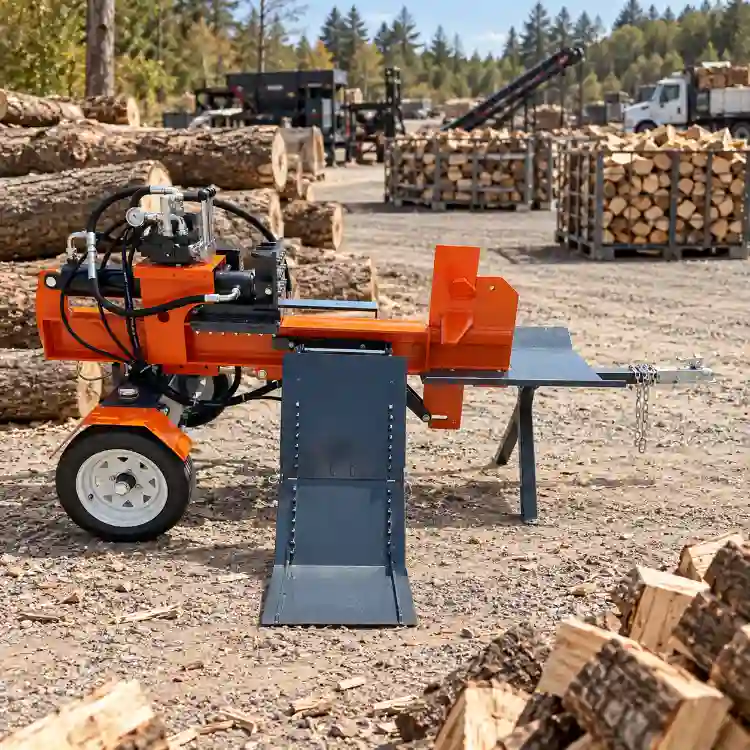
Moving firewood from splitting areas to drying racks to sheds to firewood storage bins can cause bark to fall off and small chips to be loosened up. Also, the amount of material left behind after splitting varies greatly between different types of splitters, such as vertical log splitters and horizontal log splitters. Read more about them to compare.
It is worth noting that screening after splitting a dry material will remove any debris that has become loose, whereas screening a dry material after it has been dried may remove material that has become loose since drying.
When Is Another Round of Firewood Screening Worth Considering?
Before bringing out any of the equipment to split the finished wood take a look at it first. Some bark in the firewood pile is perfectly normal. You are not trying to make each piece of wood perfect.
What really matters is how much loose material will travel with the wood to the next storage area or be handled.
Checking for Loose Debris Before Packaging
Try lifting a few pieces from around the heap. Give them a gentle shake over a suitable container. If there is any noticeable amount of bark and wood fragments falling off then another screening may be required.
Loose material such as dust and debris from stored items falls to the bottom of the storage bins. The top of the pile may appear to be in good order but the bottom of the pile, which is in contact with the wood may be in a different state of disrepair.
If you bundle firewood or fill storage bags, this quick test will tell you whether it is worth cleaning up any small amount of debris. You don’t need to screen an entire stack of firewood just because you found a few small pieces of debris in the first sample.
Deciding Whether Stored Firewood Needs Rescreening
Your firewood has been stored in a covered shed for several months. The wood was screened when split, but a lot of loose bark has accumulated on the bottom of the pile as it dried.
Instead of treating this wood as a splitting problem, give it a good cleaning before storing it in another location.
When screening firewood, the time of year in which the wood is handled before going into the firewood conveyor is critical. If wood is screened too early in the season, the wood can be moved numerous times before it is finally processed and additional fragments could loosen up. For already dried wood, the biggest problem is usually the last move. RIMA’s guide to wood screening covers this in more detail, specifically for handling already dried wood.
How Does the AutoDrum Handle Dry Firewood Rescreening?
If you need another pass through the wood, you will also need a machine to separate out the loose debris from your cut wood, that does not also cut or split it.
The rotary firewood screener is part of this process.
Using Drum Rotation to Separate Loose Wood Debris
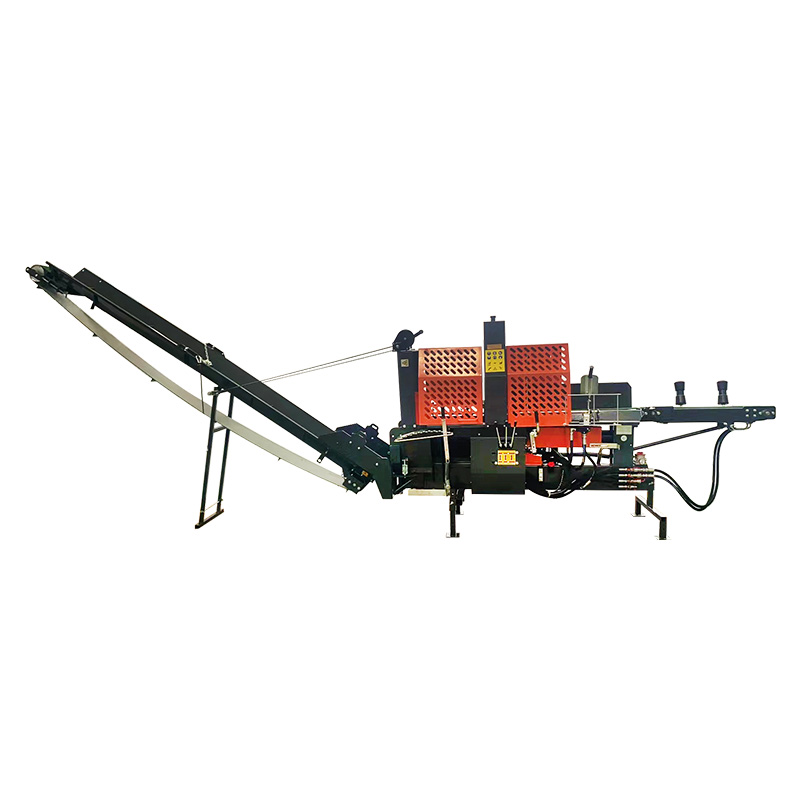
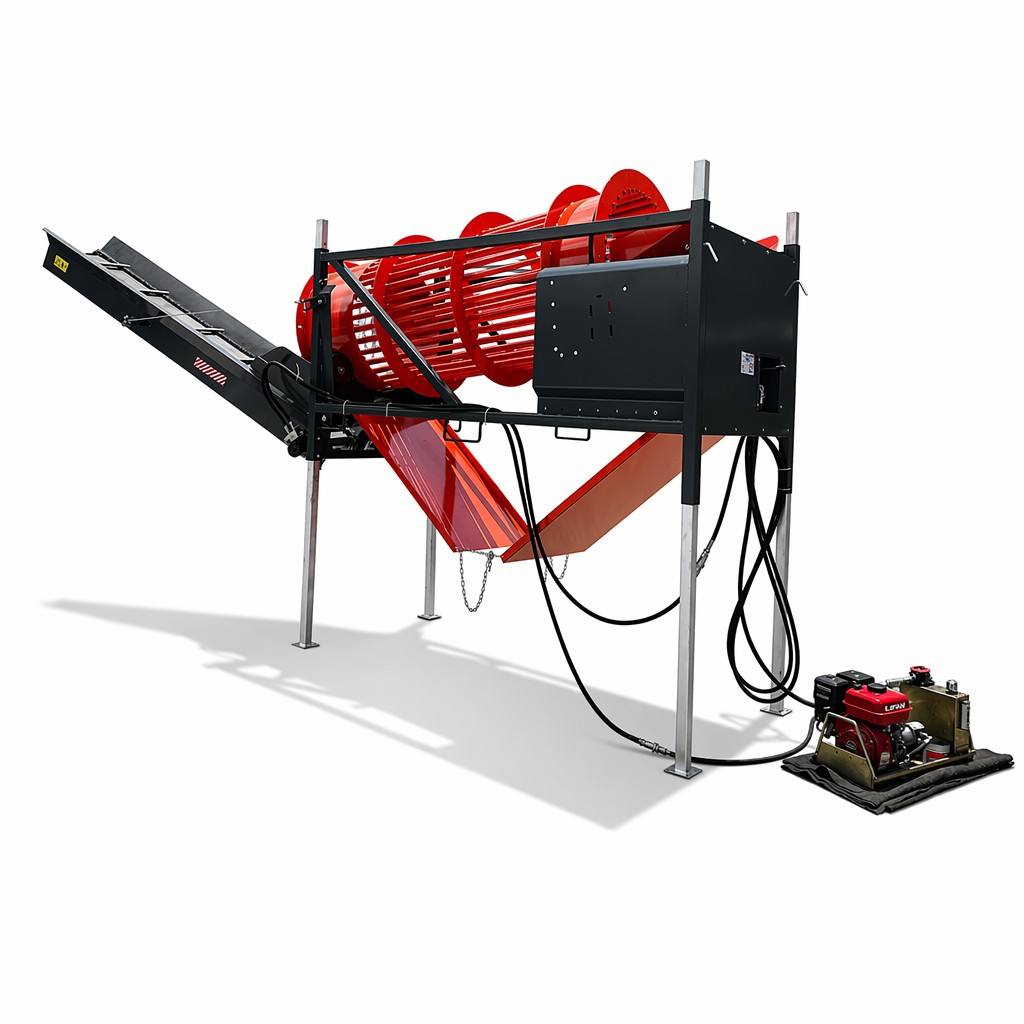
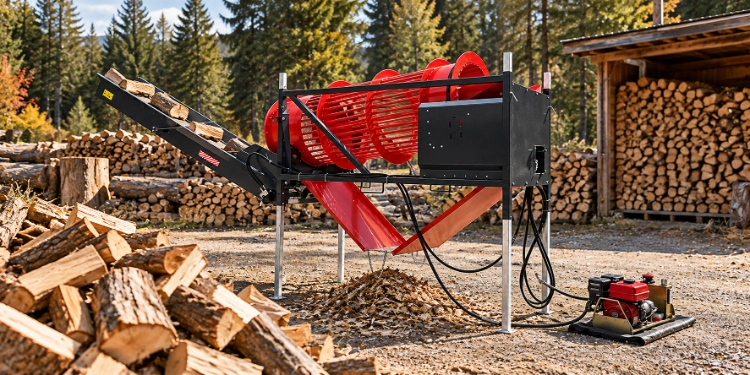
The Firewood Cleaner-AutoDrum made by RIMA uses a rotating drum that gently tumbles the firewood through the screening area.
As the drum continues to turn, the pieces of wood roll against each other. Pieces of loose bark, small pieces of wood and other debris fall out from between the larger pieces of wood and drop through the screening openings.
This wood splitter does not use water to clean the wood. It does not dry the wood and it does not reduce the size of your split logs. The splitter is only used to remove loose material from the wood so that it can be stored or collected.
The difference is obvious when compared with a log splitter. The log splitter is used to split wood to size whereas the woodsplitter is used to clean up the debris around the split logs.
Choosing the Right Firewood Size for the Drum
The AutoDrum is designed to split wood less than 19.7 inches in length. That’s stove-length wood, but be sure to measure your own firewood before purchasing this model.
How long can the pieces be? The aim is for them to tumble around within the drum successfully. Larger pieces won’t be able to do this.
RIMA is a manufacturer of forestry and firewood equipment for cutting, splitting, moving and screening wood. With a manufacturing background RIMA also specializes in product development and technical support. Look at the equipment for regular firewood preparation to learn more about RIMA.
If a household processes large quantities of seasonal wood and constant removal of loose debris is a problem for them, then the AutoDrum may be of interest.
How Can AutoDrum Fit Into Your Firewood Handling Routine?
Screening a second time does not have to be immediately after splitting firewood. The AutoDrum can be part of a processing line or it can be located near stored split firewood.
This flexibility is particularly valuable when the splitting area and drying area are located in separate areas.
Feeding Dry Firewood from Storage Bags or a Front Loader
The AutoDrum can be refilled with wood directly from a production line, from a sack of firewood or even from a front-end loader. Thus, there is no need to re-process the split wood through the original splitter or processor.
You can screen out winter supplies from a covered storage area like this before moving them in to a clean firewood store or even packing them in bags.
Screening at the point where it is most valuable and then transferring the screened wood to a clean storage area is more sensible than screening at every handling stage.
Be sure to keep the area around newly screened material clear of this loose material so that you don’t pick it up again with your freshly screened material.
Matching the Power Source and Discharge Setup to Your Property
The AutoDrum is available with 3 different power options: tractor hydraulics, a 7 HP engine-powered unit, and a range of electric motor options.
For customers with existing compatible tractors around the property, the hydraulic version of the slurry spreader is likely to be the most suitable. Alternatively, a self contained, engine powered unit can be supplied. The electric slurry spreader is also available and would be suitable where a power supply is available.
Before you buy, check the electrical requirements to ensure that your household power point is compatible with the available motor configurations.
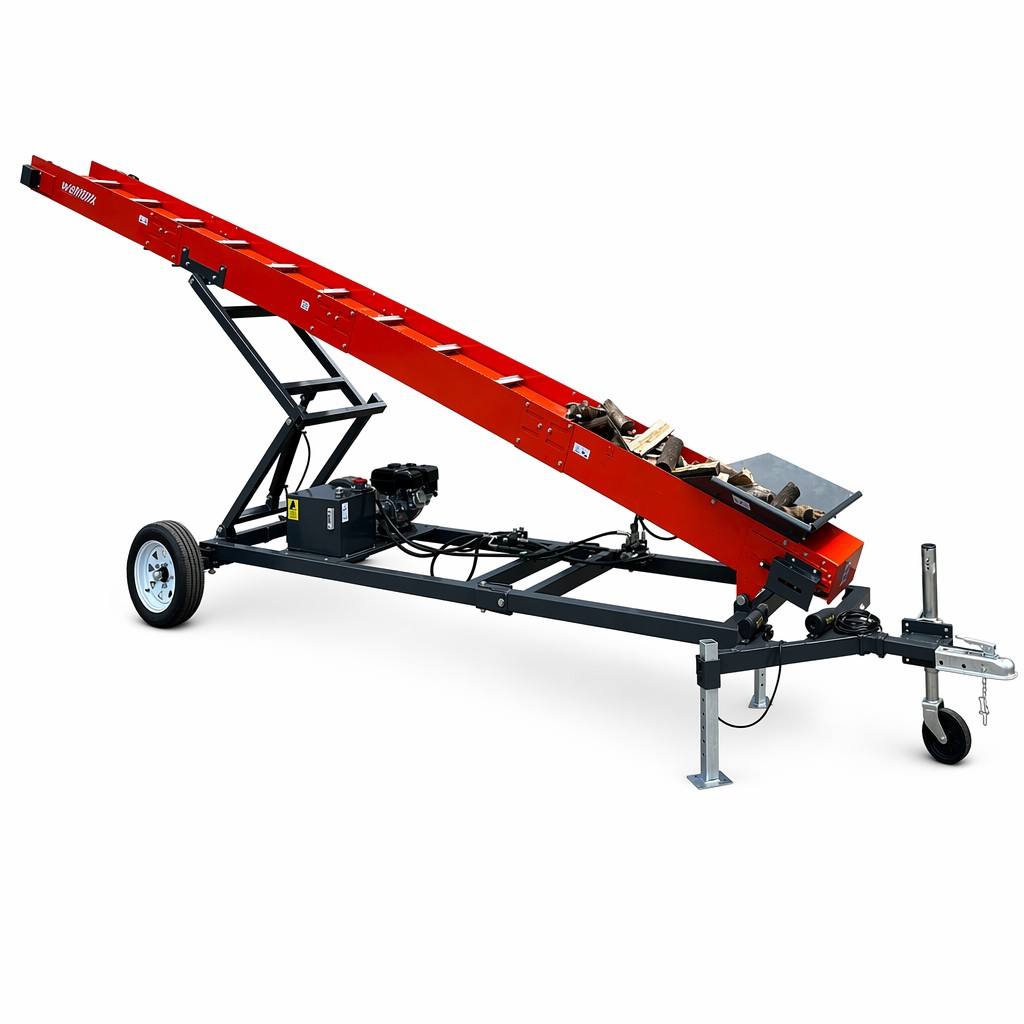
An optional discharge conveyor can be supplied to direct the screened firewood to a raised collecting point such as a bin or to move it clear of the cleaning area.
RIMA’s application and case examples can be used to consider space requirements for equipment as well as optimal placement of machinery.
What Difference Does a Final Screening Pass Make?
The firewood is left with less loose debris after screening. It won’t have become better seasoned, but it will make a more pleasant stack, be easier to carry and use.
The main benefit of this protective film is for areas where you want the finished surface of the wood to remain relatively clean.
Keeping Firewood Baskets and Storage Areas Cleaner
Carrying firewood in a basket to the house can result in loads of bark and small splinters of wood falling on the floor.
A final screening pass may remove additional loose material from the wood. There will be less material to sweep into your baskets, bins and storage areas.
This does not remove all dirt from the wood and does not prevent it from shedding further bark in storage. However, removing loose material before final storage is a practical thing to do.
Making Better Use of the Material You Remove
There is more to come out of the drum than just waste. Clean bark and wood pieces can be stored separately as kindling.
Make sure to check the material before using it. Burn contaminated debris as little as possible. Fine sawdust is not the same as normal kindling.
Note also that screening does not replace the need for proper seasoning of firewood. A moisture meter will give you an indication of the firewood’s dryness if you are unsure whether it is ready to burn.
We can keep these as separate tasks to dry the wood, to clear loose debris as needed and then store the finished items under cover.
Conclusion
Even after dry firewood has been split, there is often much loose bark and wood debris left. Some of this is left in the wood after splitting, and some of it simply comes loose as the wood dries, and is then left behind as the wood is moved to its storage area.
Screening material again is sometimes useful, for example before filling up clean storage, like bags or bins, or even firewood to put in indoor firewood baskets. It’s not a necessity for every pile of material though.
The RIMA Firewood Cleaner-AutoDrum can be an effective solution for the final stages of wood processing and can be fed by hand or by a conveyor, and is available in a number of different power configurations to suit larger volume wood preparers.
Check which of our RIMA services would best suit your property. We can review our service support options with you, or talk through the different options available in more detail with our team, using details of the length of firewood you need to move, whether you have power available, and the type of loading method you would like to use.
FAQ
Does Dry Firewood Always Need to Be Screened Again?
No. If the firewood you have collected has little in the way of loose bark or debris once it has dried out then another screening may not be worthwhile. Check your wood before putting it away and screen it again if there is still material in it that you feel is worth cleaning.
Can the RIMA AutoDrum Screen Firewood That Has Already Been Dried?
Yes. The AutoDrum can re-screen dry firewood stored for a period of time. Material can be re-introduced to the AutoDrum from production lines, stored sacks or even front-end loaders, thus avoiding the need to re-process the wood back through the splitting process.
What Size Firewood Can the AutoDrum Handle?
This drum splitter is ideal for splitting short firewood less than 19.7 inches long. You should always measure your finished logs prior to splitting to ensure that the logs will fit within the AutoDrum’s operating specifications.
Does the AutoDrum Need to Be Connected to a Firewood Processor?
No. The separator can be used after a processor or as a separate screening unit. It can be used to clean stored firewood for another pass through the unit.
Does Screening Firewood Make It Dry Faster or Burn Better?
Screening for debris prior to splitting does not in itself reduce moisture content in logs. Removing debris as it falls can keep a drying pile clean and prevent small fragments from becoming lodged in between the pieces of firewood. But ultimately, the firewood must be properly stacked, have good airflow, and given sufficient time to dry.