



CONTACT US

PRODUCTS

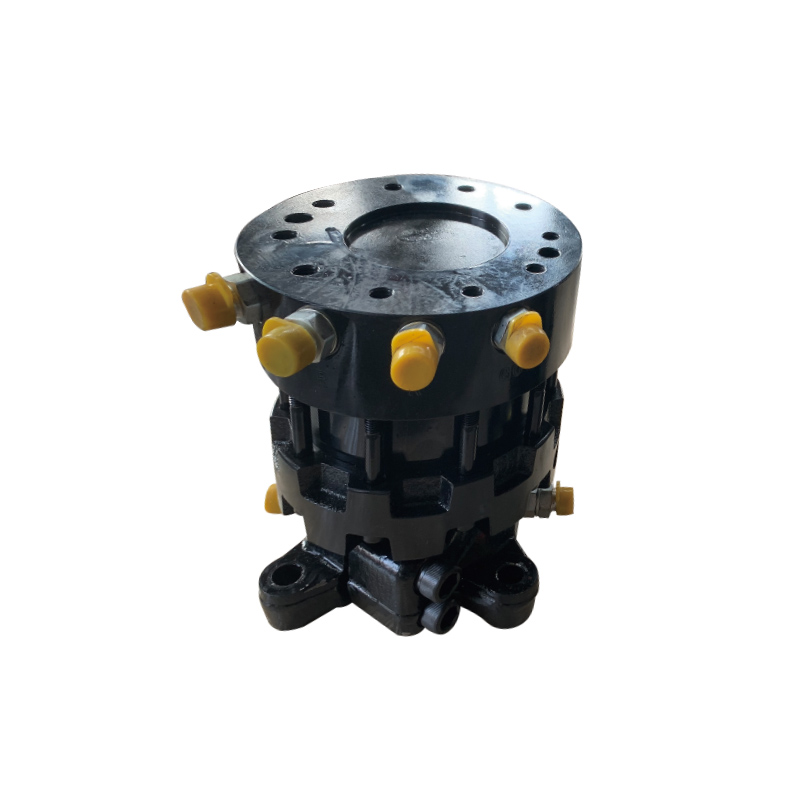
Rotation Unlimited
Max axial load static, KN (lbf) +45(10116)
-34(7643)
Max axial load dynamic, KN (lbf) +25(5620)
-17(3821)
Torque at 25Mpa (3625psi), Nm (lb ft) 1300 (959)
Rec oilflow, l/min (Us gallon) 22 (5.8)
weight, kg (lb) 35(78)
Max working pressure: Connection:
Rotator ←R→ Max 25 MPa (3625 psi) G 3/8
Grapple / Tool open ←G→ Max 20 MPa (2900 psi) G 3/8
Grapple / Tool close →G← Max 30 MPa (4350 psi) G 3/8
- OUR PRODUCTS

RELATED PRODUCTS

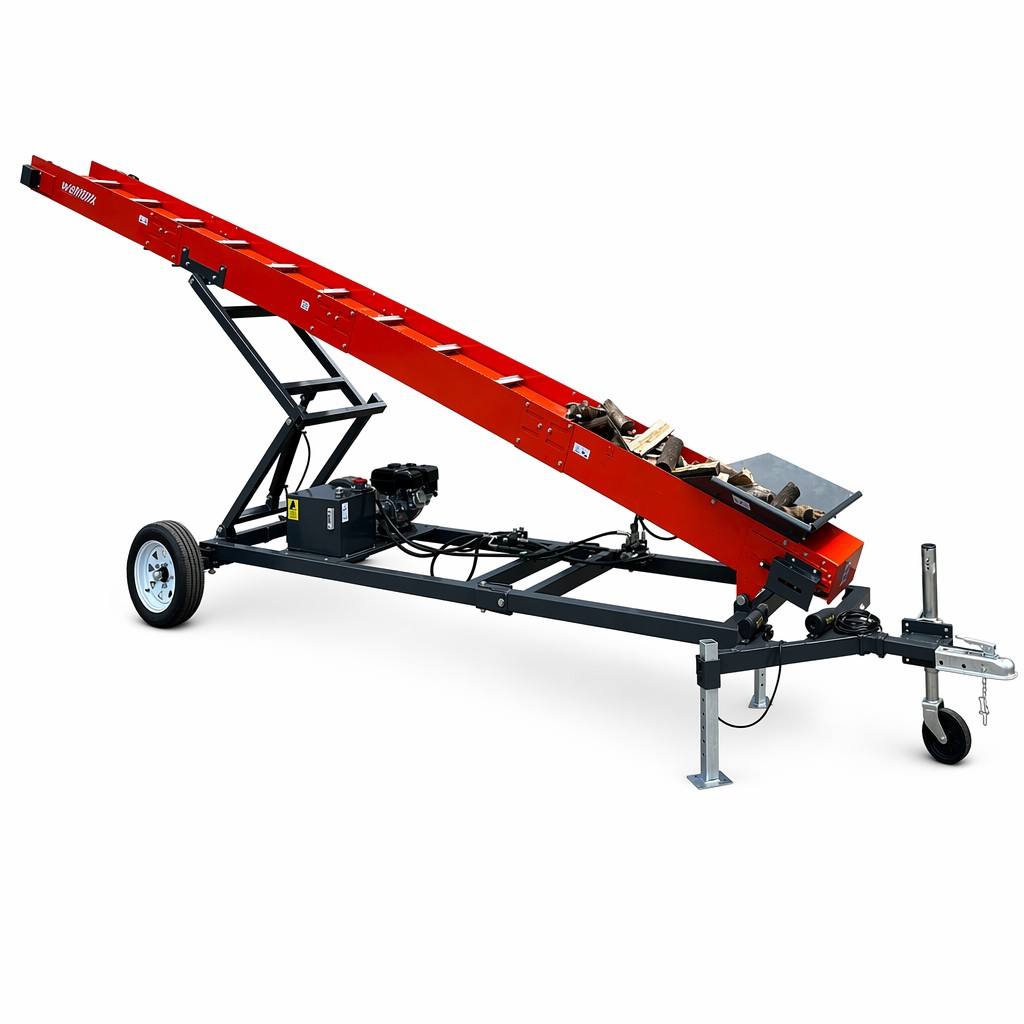
HC06-C
This firewood conveyor offers efficient, powerful and safe performance, making it an essential tool for conveying and lifting firewood in diverse settings. This wood conveyor equipped with a 7HP gasoline-powered hydraulic driven system operates with high efficiency and powerful performance. The belt speed is variable by changing the engine speed. With an adjustable reach up to 124 inches, this conveyor's speed, efficiency, reliability, and safety are unmatched in the conveying industry.
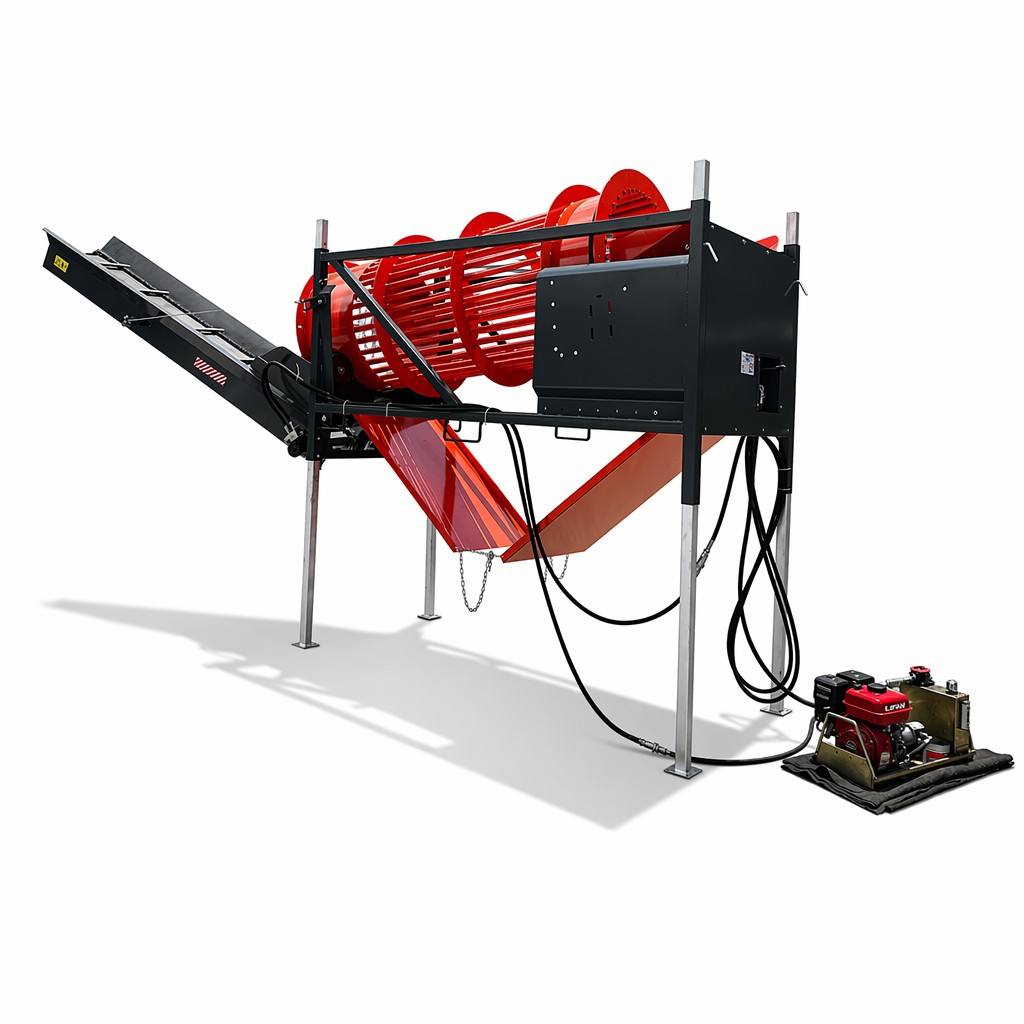
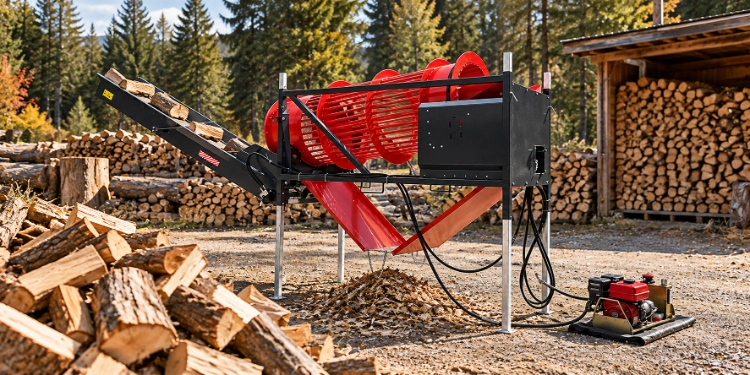
Firewood Cleaner-AutoDrum
RIMA drum cleaner, the firewood rotates in the cleaning drum like in a washing machine, which removes wood debris easily and very efficiently. Cleaner is best suited for screening less than 50 cm long firewood. It is also perfectly suited for the joint use of several firewood processors. The aotoclean can be powered with an 7HP engine power unit, electric motor or tractor hydraulics.

RECENT
BLOG ARTICLES

Dry Doesn’t Mean Debris-Free: Why Firewood May Need Another Round of Screening

14
October
You’ve split the logs, stacked the firewood and given it time to dry. Everything seems to be in order for your stove. But when you move a few logs to a basket full of them you see flakes of bark, little wood chips and dust at the bottom of the logs. Dry firewood isn’t necessarily clean firewood. Even after wood has lost moisture, it can still hold loose material from splitting and from having been stored. As wood dries, some of the debris will become loose. This extra material can make final handling of firewood for your own home or for storage on your property a real mess. Some batches benefit from an additional screening, but that is not the case with every batch. It is more important to ask when screening again is necessary and how one can do that without disturbing the previously dried wood. Why Does Debris Remain After Firewood Has Dried? Even though wood drying changes the wood greatly, it does not remove everything which is attached to it. After a while, bark, splinters, etc. are left between the split wood pieces when the wood’s moisture content has gone down sufficiently. How Drying Can Loosen Bark and Wood Fragments Drying firewood shrinks and develops cracks. The bark which previously was stuck to the wood starts to come off. When moving pieces of firewood, small pieces may break off. The problem is particularly marked with rough-split hardwoods. Even if you have stacked the wood neatly at the start of the season, when you come to bring it in you may find flakes of bark beneath the pile. Debris is affected by the type of wood, the wood’s condition and how often it has been handled. Simple drying will not remove the loose debris. Why Previously Screened Firewood May Contain Debris Again Even if you thoroughly cleaned your wood immediately after splitting it, the pile will likely contain loose material by the time it is stored for any length of time. Moving firewood from splitting areas to drying racks to sheds to firewood storage bins can cause bark to fall off and small chips to be loosened up. Also, the amount of material left behind after splitting varies greatly between different types of splitters, such as vertical log splitters and horizontal log splitters. Read more about them to compare. It is worth noting that screening after splitting a dry material will remove any debris that has become loose, whereas screening a dry material after it has been dried may remove material that has become loose since drying. When Is Another Round of Firewood Screening Worth Considering? Before bringing out any of the equipment to split the finished wood take a look at it first. Some bark in the firewood pile is perfectly normal. You are not trying to make each piece of wood perfect. What really matters is how much loose material will travel with the wood to the next storage area or be handled. Checking for Loose Debris Before Packaging Try lifting a few pieces from around the heap. Give them a gentle shake over a suitable container. If there is any noticeable amount of bark and wood fragments falling off then another screening may be required. Loose material such as dust and debris from stored items falls to the bottom of the storage bins. The top of the pile may appear to be in good order but the bottom of the pile, which is in contact with the wood may be in a different state of disrepair. If you bundle firewood or fill storage bags, this quick test will tell you whether it is worth cleaning up any small amount of debris. You don’t need to screen an entire stack of firewood just because you found a few small pieces of debris in the first sample. Deciding Whether Stored Firewood Needs Rescreening Your firewood has been stored in a covered shed for several months. The wood was screened when split, but a lot of loose bark has accumulated on the bottom of the pile as it dried. Instead of treating this wood as a splitting problem, give it a good cleaning before storing it in another location. When screening firewood, the time of year in which the wood is handled before going into the firewood conveyor is critical. If wood is screened too early in the season, the wood can be moved numerous times before it is finally processed and additional fragments could loosen up. For already dried wood, the biggest problem is usually the last move. RIMA’s guide to wood screening covers this in more detail, specifically for handling already dried wood. How Does the AutoDrum Handle Dry Firewood Rescreening? If you need another pass through the wood, you will also need a machine to separate out the loose debris from your cut wood, that does not also cut or split it. The rotary firewood screener is part of this process. Using Drum Rotation to Separate Loose Wood Debris The Firewood Cleaner-AutoDrum made by RIMA uses a rotating drum that gently tumbles the firewood through the screening area. As the drum continues to turn, the pieces of wood roll against each other. Pieces of loose bark, small pieces of wood and other debris fall out from between the larger pieces of wood and drop through the screening openings. This wood splitter does not use water to clean the wood. It does not dry the wood and it does not reduce the size of your split logs. The splitter is only used to remove loose material from the wood so that it can be stored or collected. The difference is obvious when compared with a log splitter. The log splitter is used to split wood to size whereas the woodsplitter is used to clean up the debris around the split logs. Choosing the Right Firewood Size for the Drum The AutoDrum is designed to split wood less than 19.7 inches in length. That’s stove-length wood, but be sure to measure your own firewood before purchasing this model. How long can the pieces be? The aim is for them to tumble around within the drum successfully. Larger pieces won’t be able to do this. RIMA is a manufacturer of forestry and firewood equipment for cutting, splitting, moving and screening wood. With a manufacturing background RIMA also specializes in product development and technical support. Look at the equipment for regular firewood preparation to learn more about RIMA. If a household processes large quantities of seasonal wood and constant removal of loose debris is a problem for them, then the AutoDrum may be of interest. How Can AutoDrum Fit Into Your Firewood Handling Routine? Screening a second time does not have to be immediately after splitting firewood. The AutoDrum can be part of a processing line or it can be located near stored split firewood. This flexibility is particularly valuable when the splitting area and drying area are located in separate areas. Feeding Dry Firewood from Storage Bags or a Front Loader The AutoDrum can be refilled with wood directly from a production line, from a sack of firewood or even from a front-end loader. Thus, there is no need to re-process the split wood through the original splitter or processor. You can screen out winter supplies from a covered storage area like this before moving them in to a clean firewood store or even packing them in bags. Screening at the point where it is most valuable and then transferring the screened wood to a clean storage area is more sensible than screening at every handling stage. Be sure to keep the area around newly screened material clear of this loose material so that you don’t pick it up again with your freshly screened material. Matching the Power Source and Discharge Setup to Your Property The AutoDrum is available with 3 different power options: tractor hydraulics, a 7 HP engine-powered unit, and a range of electric motor options. For customers with existing compatible tractors around the property, the hydraulic version of the slurry spreader is likely to be the most suitable. Alternatively, a self contained, engine powered unit can be supplied. The electric slurry spreader is also available and would be suitable where a power supply is available. Before you buy, check the electrical requirements to ensure that your household power point is compatible with the available motor configurations. An optional discharge conveyor can be supplied to direct the screened firewood to a raised collecting point such as a bin or to move it clear of the cleaning area. RIMA’s application and case examples can be used to consider space requirements for equipment as well as optimal placement of machinery. What Difference Does a Final Screening Pass Make? The firewood is left with less loose debris after screening. It won’t have become better seasoned, but it will make a more pleasant stack, be easier to carry and use. The main benefit of this protective film is for areas where you want the finished surface of the wood to remain relatively clean. Keeping Firewood Baskets and Storage Areas Cleaner Carrying firewood in a basket to the house can result in loads of bark and small splinters of wood falling on the floor. A final screening pass may remove additional loose material from the wood. There will be less material to sweep into your baskets, bins and storage areas. This does not remove all dirt from the wood and does not prevent it from shedding further bark in storage. However, removing loose material before final storage is a practical thing to do. Making Better Use of the Material You Remove There is more to come out of the drum than just waste. Clean bark and wood pieces can be stored separately as kindling. Make sure to check the material before using it. Burn contaminated debris as little as possible. Fine sawdust is not the same as normal kindling. Note also that screening does not replace the need for proper seasoning of firewood. A moisture meter will give you an indication of the firewood’s dryness if you are unsure whether it is ready to burn. We can keep these as separate tasks to dry the wood, to clear loose debris as needed and then store the finished items under cover. Conclusion Even after dry firewood has been split, there is often much loose bark and wood debris left. Some of this is left in the wood after splitting, and some of it simply comes loose as the wood dries, and is then left behind as the wood is moved to its storage area. Screening material again is sometimes useful, for example before filling up clean storage, like bags or bins, or even firewood to put in indoor firewood baskets. It’s not a necessity for every pile of material though. The RIMA Firewood Cleaner-AutoDrum can be an effective solution for the final stages of wood processing and can be fed by hand or by a conveyor, and is available in a number of different power configurations to suit larger volume wood preparers. Check which of our RIMA services would best suit your property. We can review our service support options with you, or talk through the different options available in more detail with our team, using details of the length of firewood you need to move, whether you have power available, and the type of loading method you would like to use. FAQ Does Dry Firewood Always Need to Be Screened Again? No. If the firewood you have collected has little in the way of loose bark or debris once it has dried out then another screening may not be worthwhile. Check your wood before putting it away and screen it again if there is still material in it that you feel is worth cleaning. Can the RIMA AutoDrum Screen Firewood That Has Already Been Dried? Yes. The AutoDrum can re-screen dry firewood stored for a period of time. Material can be re-introduced to the AutoDrum from production lines, stored sacks or even front-end loaders, thus avoiding the need to re-process the wood back through the splitting process. What Size Firewood Can the AutoDrum Handle? This drum splitter is ideal for splitting short firewood less than 19.7 inches long. You should always measure your finished logs prior to splitting to ensure that the logs will fit within the AutoDrum’s operating specifications. Does the AutoDrum Need to Be Connected to a Firewood Processor? No. The separator can be used after a processor or as a separate screening unit. It can be used to clean stored firewood for another pass through the unit. Does Screening Firewood Make It Dry Faster or Burn Better? Screening for debris prior to splitting does not in itself reduce moisture content in logs. Removing debris as it falls can keep a drying pile clean and prevent small fragments from becoming lodged in between the pieces of firewood. But ultimately, the firewood must be properly stacked, have good airflow, and given sufficient time to dry.  
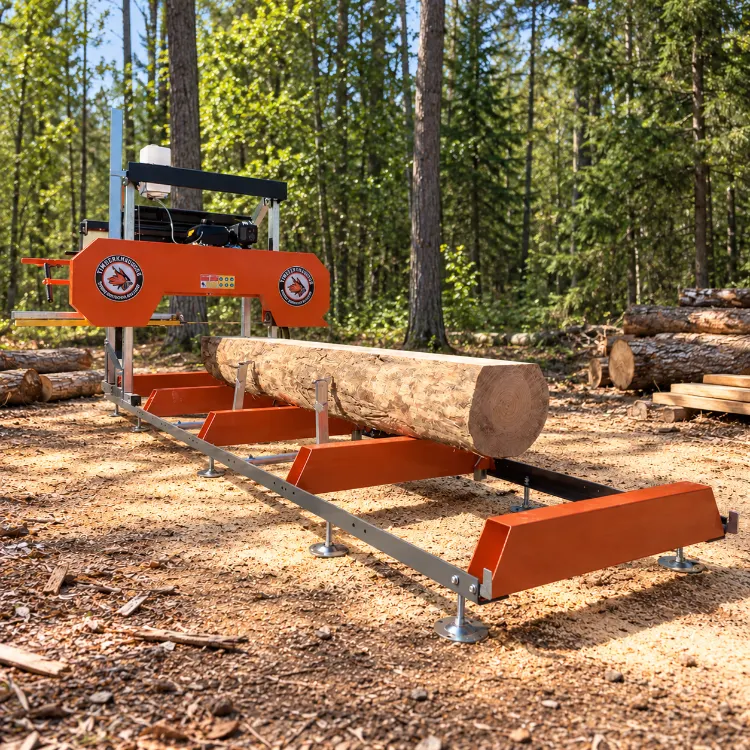
Handling 26-Inch Logs: What Helps a Sawmill Maintain Cutting Accuracy?

08
October
A 26-inch log is large enough to expose small problems in a portable sawmill. If the log shifts, the blade lacks support, or the sawhead height changes between passes, you may get boards with uneven thickness or a wavy surface. For a homeowner, landowner, or woodworker milling logs from their own property, the goal is simple: usable boards with less correction afterward. A good machine helps, but setup and blade care matter just as much. Why Cutting Accuracy Gets Harder with 26-Inch Logs A larger log is heavier and creates a wider cutting path. It may also be oval, tapered, or slightly twisted. Those normal shapes make stable setup more important. Keep the Log from Moving The log needs a firm reference point before the blade enters the wood. If it rolls even a little during a pass, the cut line changes. The same issue can show up after you turn the log and start cutting the next face. Good log rests and clamps make this easier. They should hold a full round log securely and continue to work as the log is cut down into a smaller cant. This is one reason to look beyond engine size when you use a portable sawmill buying guide. Support the Blade across the Cut A band blade is thin by design. That helps reduce kerf, but it also means the blade needs correct tension and proper support. As the cutting width grows, any weakness in tension, blade condition, or guide position becomes easier to see on the board. You do not need to chase the fastest possible feed. A steady feed with a sharp, well-supported blade is usually the better choice, especially when the log is close to the mill’s maximum diameter. What Keeps a Portable Sawmill on Track Cutting accuracy comes from several parts working together. The track guides the sawhead, the clamps hold the timber, the blade guide controls the exposed span, and the height adjustment sets the next cut. One strong feature cannot make up for poor setup somewhere else. Repeatable Sawhead Height If you want several boards at the same thickness, you need to return the blade to a predictable height after every pass. A sawhead that locks firmly helps you avoid small changes caused by loose adjustment hardware. The RS26G uses an infinitely adjustable auto-locking sawhead. One full turn of the crank changes blade height by 1 inch. That simple relationship is useful when you are cutting boards for a shed, workbench, fence, shelving, or other jobs where matching thickness saves time later. Blade Tension and Guide Position Correct blade tension helps the band run as intended on the wheels. The RS26G tension system is also designed to preserve bandwheel alignment while you tension or change the blade. The adjustable blade guide is just as useful. You can reduce the exposed blade span on smaller cuts, which gives the band more support near the wood. That helps reduce blade wander. As a large round log becomes a narrower cant, you can move the guide in rather than leaving a long section of blade unsupported. How the RS26G Handles 26-Inch Logs The RS26G works well for this type of home milling because its rated log diameter is 26 inches. It lists a cutting capacity of 26 x 7 x 110 inches, uses a 9 HP gasoline engine, and runs on a standard track about 157 inches long and 35.4 inches wide. Its blade measures about 145 inches long, 1.25 inches wide, and 0.035 inch thick. That capacity suits home milling when yard trees or woodlot logs are too large for a smaller mill. The wider sawmill range also lets you compare smaller and larger options before choosing. Clamping That Still Works as the Log Gets Smaller The RS26G includes two log dog clamps, two sets of long and short log rests, and a low-profile cam-dog system. These parts remain useful throughout the cutting process, not just on the first pass. At the start, you need to hold a heavy round log. Later, the cant becomes flatter and narrower. A low-profile clamp can stay clear of the blade path while still holding the timber. A Blade Guide You Can Adjust to the Job The auto-locking adjustable blade guide lets you shorten the unsupported blade span as the cut gets narrower. With more support near the wood, the blade is easier to control and less likely to wander. In practice, the blade guide should be adjusted as the cutting width changes. If you start with a full 26-inch log and later cut a much narrower face, adjust the guide to suit the new width. It is a small habit, but it can make a visible difference in cut quality. Setup and Maintenance Habits That Protect Accuracy Even a well-built sawmill will not cut well if the track is twisted or the blade is dull. Before you load a large log, check the machine on the ground where you will actually use it. Start with the Track and Log Position Set the track on firm support and check that it is level and straight. Do this before you spend time positioning the log. A poor base can show up as a cut that slowly changes thickness along the board. Once the bed is right, place the log against the rests and clamp it before setting the final blade height. Take a moment to look for a heavy side, taper, or branch swell. The goal is not to make the log perfect. You simply want it stable enough that it stays where you put it. Keep the Blade Sharp and Properly Tensioned A dull blade tends to run hotter and can start to drift. Sawdust or pitch buildup can also make the cut rougher. If the saw starts needing more push than usual, inspect the blade instead of forcing the head through the log. Basic checks take little time: blade sharpness, tension, guide position, wheel condition, clamps, and track contact points. These portable sawmill maintenance tips are useful if you mill regularly. Why RIMA Fits Home Milling Projects RIMA makes farm and forestry equipment, including portable sawmills, firewood equipment, chippers, tree-cutting machines, and related tools. The company also has its own technical team and continues to update its products based on practical user needs. For home users, the main benefits are product choice and support. You can browse RIMA products for related property equipment, read more about RIMA, or look through RIMA case examples for real machine applications. The RS26G stands out when your logs are often too large for an 18-inch-class mill but you still want a straightforward machine for a yard, farm, or private woodlot. Its 26-inch log capacity, auto-locking sawhead, clamping setup, blade tension system, and adjustable blade guide all address the factors that have the biggest effect on repeatable cuts. Conclusion Handling a 26-inch log accurately is not only about having enough throat capacity. The log must stay still, the track must stay true, the blade needs the right tension, and the sawhead has to return to a repeatable height. For that kind of home setup, the RS26G makes sense. It gives you the rated capacity for a 26-inch log and pairs it with simple mechanical features that help you control the cut instead of fighting the machine. If you are choosing a setup for your property, you can review RIMA service or contact RIMA to check configuration, parts, and support before ordering. FAQ Can the RS26G Cut a Full 26-Inch Log? Yes. The RS26G is rated for logs up to 26 inches in diameter. Actual cut quality still depends on proper clamping, track setup, blade condition, and feed control. What Helps Prevent Blade Wander on a Large Log? Correct blade tension, a sharp blade, steady feed, and a properly positioned blade guide all help. The RS26G adjustable blade guide lets you reduce the unsupported blade span as the cutting width gets smaller. Why Does Log Clamping Matter for Cutting Accuracy? A moving log changes the blade’s reference line. Firm clamping keeps the timber in the same position during a pass and helps you repeat the setup after turning the log. How Does the RS26G Control Board Thickness? The auto-locking sawhead gives you repeatable blade-height adjustment. One full crank turn changes the blade height by 1 inch, so it is easy to make planned height changes between cuts. What Should I Check before Milling a 26-Inch Log? Check the track, supports, clamps, blade sharpness, blade tension, guide position, and log stability. A few minutes of setup is usually easier than correcting uneven boards after the cut.  

RIMA Machinery at Paul Bunyan Show 2026: Great People, Great Machines, Great Memories

07
October
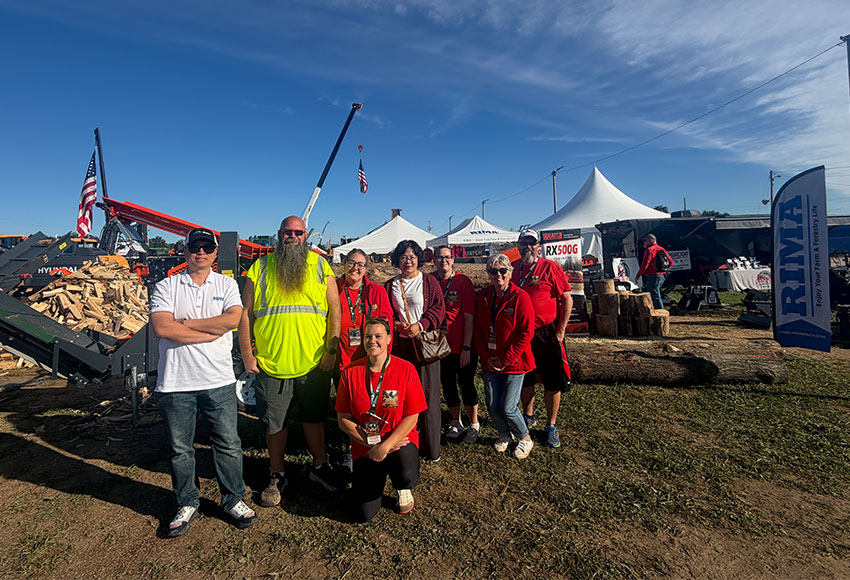
RIMA Machinery created another memorable moment at the recently concluded Paul Bunyan Show in the U.S. For RIMA Machinery, forestry trade shows are about far more than just machinery and equipment; they are about the people we meet, the conversations we have, the ideas we exchange, and the relationships we build along the way. Walking into the Paul Bunyan Show, you can immediately feel the connection between people and the forestry industry. But behind every machine is a person — someone running a firewood business, working in the woods, managing land, selling equipment, or simply looking for a better way to get the job done. For RIMA, the show was a chance to meet old friends again, make new connections, and spend time with customers and industry partners in the U.S. market. Over just a few days, we engaged in countless conversations with friends at the exhibition—some about equipment, others about work—but every single one held great significance for us. Through these conversations, we have gained a deeper understanding of our customers’ needs, learned their views and suggestions regarding our equipment, and discovered just how many friends appreciate our products. This undoubtedly presents us with a new opportunity. Great People, Great Conversations One of the best parts of attending the Paul Bunyan Show was hearing directly from people who work with forestry equipment every day. We talked about the realities of working with wood — from processing and splitting firewood to handling logs and finding equipment that fits different operations. These conversations are something we value deeply. A product brochure can tell you specifications. A conversation with someone working in the field can tell you what really matters. Their experience, questions, and ideas give us a better understanding of the industry and the people we build machines for. Great Machines in the Forestry Community RIMA Machinery brought its experience in forestry and farm machinery to the Paul Bunyan Show, connecting our equipment with the people who use and understand this industry. From firewood processors and log splitters to wood processing and forestry equipment, every machine has a purpose: helping people handle demanding jobs more efficiently. But seeing machines at an exhibition is only part of the experience , The most important thing is seeing how equipment connects with real work in the field. Feedback from clients and industry professionals is particularly valuable to us. Their experiences help us think about what comes next — what can be improved, what operators really need, and how we can continue developing practical machinery for forestry and farm applications. Future Development and Outlook The United States plays a pivotal role in RIMA Machinery future growth. Over the years, we have had the privilege of building relationships with customers, distributors, and partners across the U.S. market. Trade shows like the Paul Bunyan Show provide us with valuable opportunities to connect with these partners face-to-face and meet new people. For us, however, simply attending an exhibition is not enough. What matters most is listening, learning, sharing, and continuously deepening our partnerships. While a piece of equipment might draw a customer to our booth, it is often a pleasant conversation—combined with the satisfaction of delivering robust, high-quality machinery—that truly leaves a lasting impression. We are committed to ensuring that our customers’ experience in agriculture and forestry activities aligns with our slogan: “Make Your Farm & Forestry Life Fun.” Great Memories When the exhibition comes to an end and the machines leave the show ground, what remains are the memories. The people we met. The conversations we had. The ideas we shared. The familiar faces we saw again. The new connections we made. These moments are what make every exhibition worthwhile. For the RIMA team, the Paul Bunyan Show 2026 was another memorable chapter in our journey. Thank You for Being Part of It We sincerely thank everyone who visited RIMA Machinery at the 2026 Paul Bunyan Show. Thank you to our customers and partners for your continued support. Thank you to everyone who shared your experience, asked questions, exchanged ideas, or simply stopped by to say hello. It was great to see so many people coming together around the forestry industry. We are proud to be part of this community and grateful for every connection along the way. The show may be over, but the journey continues. We look forward to meeting old friends again, making new ones, and continuing to build machines and relationships for the forestry community.

37 Tons, 7 Seconds, and Two Wedge Options: What Really Matters in a Heavy-Duty Log Splitter?

28
September
A log splitter’s 37-ton rating is useful to know, but it does not tell you how the machine will perform in a woodlot, farm, or firewood yard. When you are working with dense hardwood, large rounds, or high volumes of firewood, other specifications become equally important. Cycle time affects how long you wait between splits. Wedge design changes how many times you need to handle the same round. Loading also matters, especially when the wood is too heavy to lift comfortably by hand. That is why the useful numbers on a heavy-duty log splitter should be read together. The LS37HD delivers 37 tons of splitting force, with a cycle time of roughly 7 seconds and both 4-way and 6-way wedge options. What Does 37 Tons Really Tell You About a Log Splitter? Splitting force is still the first number many people check. This gives you an indication of the amount of force that the hydraulic system can apply to the wedge when necessary. For demanding firewood jobs, that matters. Dense hardwood, twisted grain, knots, and green rounds can create much more resistance than straight, dry wood. Splitting Force Matters Most When the Wood Gets Difficult The LS37HD provides 37 tons of splitting force and handles logs up to about 24 inches long and roughly 15.7 inches in diameter. That gives you useful capacity when your work regularly includes heavier rounds instead of only small, straight logs. You should not assume every 15-inch round will split the same way, though. Species, moisture, grain direction, and large knots can all change the job. If you often deal with oak or other stubborn hardwood, this guide on choosing a log splitter for tough hardwoods gives more context on what to look for. More Force Does Not Remove the Need for Good Setup Once you have enough force, the rest of the job depends on how the log reaches the wedge and what happens after the split. A machine can have a very high tonnage rating and still feel slow if you spend too much time moving wood, waiting for the ram, or splitting the same pieces again. This becomes especially noticeable when you are processing a larger pile rather than a few occasional logs. That is where the next number in the LS37HD specification becomes more useful. What Does a 7-Second Cycle Mean in Real Use? A 7-second cycle does not mean every log turns into finished firewood in seven seconds. The cycle refers to the hydraulic action of the splitter. You still need time to position the log, clear the split pieces, and prepare the next round. Even so, cycle time has a noticeable effect when you are working through a steady volume of wood. Cycle Time Sets the Pace Between Splits The LS37HD uses a two-stage hydraulic pump rated at about 16 GPM and has a cycle time of roughly 7 seconds. It also uses an auto-return hydraulic valve. Once a split is finished, you do not want to spend a long time waiting for the machine to reset. A predictable cycle gives you time to clear the work area and get the next piece ready without unnecessary pauses. The difference becomes more noticeable during extended firewood-processing sessions, especially when the machine is being used repeatedly throughout the day. Auto-Return Keeps the Workflow Simple Auto-return is a small feature on paper, but it fits the way people actually work. Once the splitting stroke is finished, the ram can return while you deal with the wood that has just been split. You are still responsible for safe positioning and keeping the work zone clear. The point is not to rush the process. It is to reduce unnecessary waiting between one log and the next and keep the work moving at a steady pace. Why Do Two Wedge Options Matter? The LS37HD does not rely on one wedge for every job. It supports both 4-way and 6-way hydraulic knives. That matters because the size of the original round and the size of the firewood you want are not always the same. A wedge that works well on one pile may create pieces that are too small or too large for another. A 4-Way Wedge Gives You Larger Split Pieces A 4-way wedge is useful when you want to divide a suitable round into several practical pieces without breaking it down too far in one pass. This can work well with moderate-size logs or when larger finished pieces are preferred. Instead of making a basic split and then turning each half again, the multi-way wedge can reduce repeated handling and cut down on extra passes. A 6-Way Wedge Can Reduce Extra Splitting With larger suitable rounds, the 6-way option can create more pieces during the same splitting action. If you need smaller finished firewood, this may reduce the number of times the same wood needs to go back through the machine. It is not simply a case of “six is better than four.” Log size, wood condition, and the finished piece size you need should guide your choice. Machine layout matters as well. If you want to compare how different working positions affect log handling, the guide to vertical vs. horizontal log splitters covers that choice in more detail. What Happens Before the Log Reaches the Wedge? Heavy-duty splitting is not only about what happens at the cutting point. A large round first has to get into position. That becomes obvious when you are working with logs near the upper end of the machine’s capacity. Rolling them around the ground may be manageable, but lifting them to working height repeatedly can slow the whole process. A Hydraulic Log Lifter Helps With Heavy Rounds The LS37HD includes a hydraulic log lifter. Instead of lifting every heavy round onto the splitting bed yourself, you can use the machine to help bring the wood into position. For a woodlot, farm, or professional firewood yard, that feature becomes more useful as log size and daily volume increase. You still need to organize incoming logs so they can reach the lifter easily, but the machine takes care of more of the awkward lifting step. Horizontal Operation Keeps the Work Area Predictable The LS37HD uses a horizontal splitting layout. You can arrange one side for incoming rounds and leave room on the other side for finished firewood. A clear work area matters when the splitter is used repeatedly. Keep loose split wood away from your feet, leave enough space around the controls, and make sure the next round can reach the machine without blocking the operator’s position. How Does the LS37HD Put These Features Together? The LS37HD makes more sense when you stop looking at each specification on its own. You have 37 tons of force for resistant wood, a 7-second cycle to keep the hydraulic work moving, two wedge choices for different finished firewood sizes, a hydraulic log lifter for heavier rounds, and auto-return for a smoother reset between splits. The hydraulic system holds about 8 gallons of oil and the machine uses a 14 HP electric-start engine. The Better Choice Depends on Your Workload If you only split a few small logs from time to time, you may not need this kind of setup. The LS37HD is better suited to regular heavy-duty work where larger batches, dense hardwood, or varying log sizes are part of the job. That makes it more relevant for woodlot owners, farms, professional wood processors, and serious firewood producers who need a splitter that can handle repeated use rather than occasional light splitting. Before buying, look at the wood you actually process. Measure typical diameter and length. Think about the finished firewood size you need and how much material normally goes through the machine during a working session. Where RIMA Fits Into the Decision RIMA develops farm and forestry equipment for jobs such as log splitting, firewood preparation, chipping, and sawmilling. If you are comparing equipment for a woodlot, farm, or professional firewood operation, the wider product range makes it easier to see how different machines can fit into the same wood-handling setup. You can also use the forestry equipment blog when you want more detail on specific jobs before choosing a machine. That can help if you are still deciding how much splitting capacity you need, what wedge setup fits your firewood size, or which machine should come next in your processing setup. Conclusion These three specifications describe different parts of the splitting process. Thirty-seven tons tells you how much splitting force the machine can deliver when the wood gets difficult. Seven seconds tells you about the hydraulic cycle, not the complete time needed to finish each log. The 4-way and 6-way wedges affect how far you can break down a suitable round in one pass. The LS37HD brings those features together with a hydraulic log lifter, auto-return valve, horizontal working layout, and a hydraulic system designed for repeated heavy-duty splitting. For woodlot owners, farm operators, professional wood processors, and serious firewood producers dealing with regular or larger-volume firewood work, that combination can be more useful than choosing a splitter from tonnage alone. If you want to confirm the right setup before ordering, you can check RIMA’s service support or contact RIMA with your usual log size, wood type, and firewood-processing needs. FAQ When Should You Use the 4-Way Wedge Instead of the 6-Way Wedge? A 4-way wedge is useful when you want larger finished pieces or are working with moderate-size rounds. A 6-way wedge makes sense when suitable larger rounds need to be divided into smaller pieces with fewer passes. What Size Logs Can the LS37HD Handle? The LS37HD is designed for logs up to about 24 inches long and roughly 15.7 inches in diameter. Actual splitting difficulty will still depend on species, moisture, grain, and knots. Why Does the LS37HD Have a Hydraulic Log Lifter? The lifter helps bring heavy rounds from near ground level into the horizontal splitting position. This is particularly useful during longer firewood-processing sessions or when larger rounds need to be handled repeatedly.    
Products
Contacts
WhatsApp
Email