





4th March 2026
Modern Forestry Management: The Essential Guide to Hydraulic Winches & Cranes
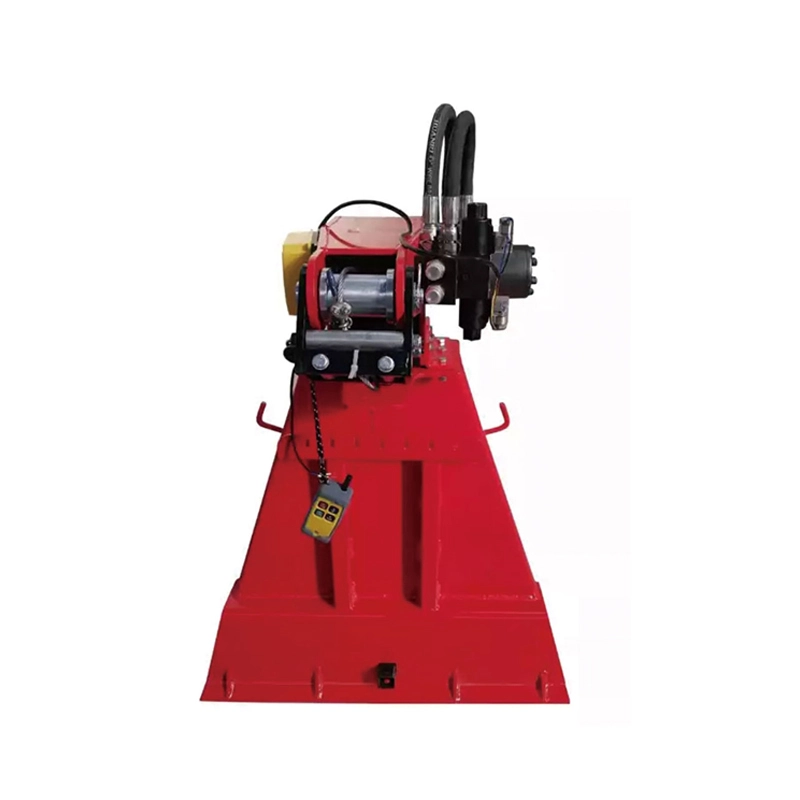
Logging has always been physically demanding, but modern operations require far more than manual labour alone. When operating on steep slopes and in dense woodland, the risks associated with manual handling become significantly greater. Traditional methods rely heavily on manual lifting, which often leads to operator fatigue and workplace injuries. To remain competitive and maintain safe working standards, mechanisation is no longer optional — it is essential.
Integrating hydraulic systems into daily operations allows larger volumes of timber to be handled with significantly less physical strain. Implementing mechanized solutions transforms labor-intensive sites into streamlined, professional operations. Such changes not only boost how much you get done but also cut down on the chances of accidents that slow everything down. In the end, this shift helps your whole team work better and longer without the constant worry of harm.
Overcoming Terrain Challenges with Hydraulic Winches
Steep terrain and complex stand conditions present the greatest challenges during timber extraction. When a tractor or forwarder cannot get close to a cut tree without risk, the hydraulic winch turns into your key helper. These systems allow operators to secure the log and extract it to a safe landing area without manual chain handling or direct physical strain.
The primary objective is to eliminate the hazards associated with manual pulling. When you cut back on the times workers must stand in the danger area close to moving logs, you right away make the whole site safer. Modern winches provide the pulling force and control required for stable extraction, even on unstable ground. Consistent pulling performance improves operational planning and reduces unexpected incidents during peak workloads.
RIMA HW & SW Series Excellence
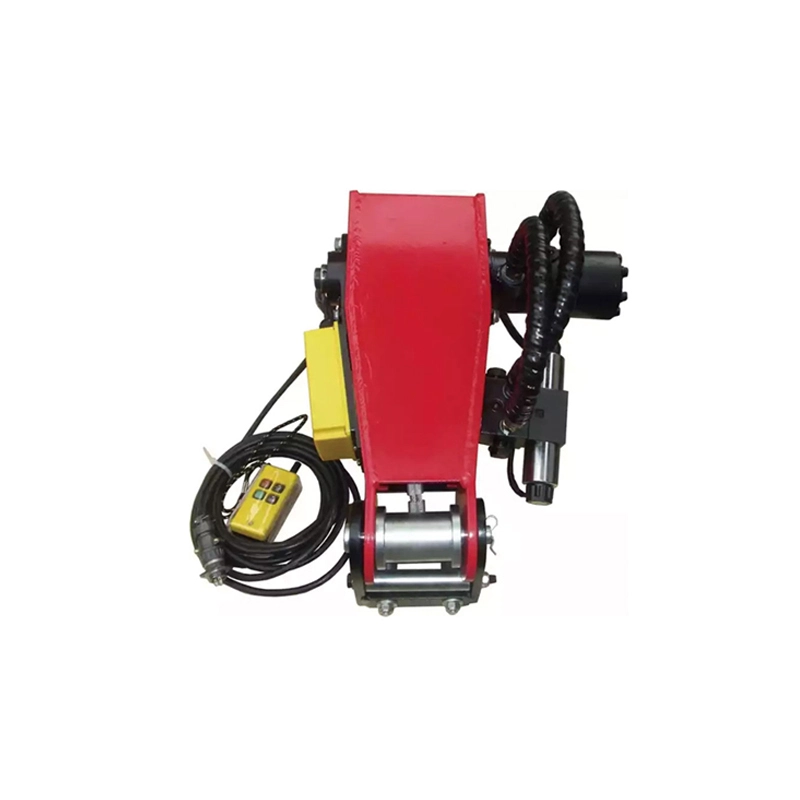
When picking gear for these tough spots, The HW1700R offers a maximum traction of 1700 kg at 16-20 MPa, Its hydraulic power makes for even starts and halts, stopping the sudden pulls that often lead to ropes breaking or logs uncontrolled log sliding.
If your regular work needs quicker, more flexible shifts, the SW170R brings the right mix of turn force and rope speed. This flexibility is particularly valuable during selective thinning, where surrounding trees and vegetation must be protected. Both types show a strong focus on lasting well, so your Investment withstands against the corrosive effects. With remote operation capability, operators can manage heavy loads from a safe distance, staying clear of the extraction line. This setup not only saves effort but also builds a stronger sense of trust in the tools you use every day.
Maximizing Efficiency with Log Crane Trailers
Once the timber has been winched to the extraction track, the next stage is loading and transport. This is where the combination of a hydraulic crane and a special trailer makes a big difference. Instead of Struggling with manual lifting or making do with quick ramps, a log crane trailer lets you grab logs and set them right on the side racks in just moments.
This integrated approach significantly reduces ground disturbance. Since the lift arm handles the big lifts, you eliminate the need to drag timber across the forest floor over long distances. Plus, the steady base from a trailer made just for this job makes sure you can carry full amounts over bumpy tree paths without the worry of falling over. Careful load handling also supports long-term site sustainability.
Streamlining the Workflow
Efficiency in forestry is measured by how soon you can move timber from the stump to the wood mill. By linking a strong winch with a heavy-duty crane arm, you create a continuous and efficient workflow. While the winch pulls the next log, the lift arm is already at work sorting and piling the one before. This coordination reduces idle time for both machinery and operators.
RIMA builds these setups to be easy to use. You do not need a large group to run a smart job; A skilled worker can complete the entire loading process while seated in a safe position on the vehicle or the operator platform. Reducing ground crew requirements lowers operational costs while increasing daily output. The robust construction of these trailers allows them to withstand continuous vibration and impact in demanding forestry environments. Over time, this leads to fewer fixes and more steady work flow.
Safety First: The Impact of Mechanization
The words “Forestry safety” mean more than helmets and high-visibility apparel. The most effective safety measure is removing personnel from high-risk handling tasks altogether. Each time you use a hydraulic setup to raise or draw, you make a “safety step” that guards your back and arms from the long-term injury from manual handling.
In hard wood jobs, like removing trees hit by wind or working in cold weather, the sure way of hydraulics cannot be beaten. manual handling makes mistakes when people feel worn out; a hydraulic switch, though, gives the same push every go. This even way lets you set your cuts and pulls with precision, knowing just how the gear will act under weight. This kind of sure planning cuts down on the unexpected events that can turn a good day bad.
Reliability Under Pressure
Reliable machinery acts as a safeguard against unpredictable field conditions. When you are Deep in the forest, equipment failure is not just an inconvenience; it can create serious safety risks. This is why pro-level parts matter so much. The setups talked about before are made with extra-strong frames and high-pressure seals designed to prevent leaks and resist wear.
When you count on your gear, your mind stays on the area around you instead of fretting if the winch will keep hold. This clear thinking is a main part of keeping the site safe. By putting money into sure machine tools, you make certain that every person in your group gets back home well at the end of the work time. This focus on well-being not only meets legal needs but also boosts team spirit and keeps skilled workers around longer.
Choosing the Right Tools for Your Operation
Each tree area is unique, and your gear should match the exact problems of your spot. If you mostly deal with hard wood in mountainous regions, your main need should be basic draw strength and rope reach. On the other hand, if you run a pine plantation on flat ground, quickness and load times turn into your key ways to win.
Putting funds into a trusted name like RIMA means you get more than a tool; you get a lasting fix. You ought to look at the tech details of each winch and lift arm to line them up with your usual log weights. Picking a setup that is a bit stronger than what you need is often a smart extra step, since it stops the machines from always running at full push, and that way makes them last longer. This smart choice pays off in fewer down days and lower long-term costs.
Service, Support, and Global Reach
A tool is only as strong as the help standing by it. Wood work is a tough field, and even the hardest gear needs steady care and now and then a new part. When you pick a pro maker, you Gain access to a wealth of expertise that understands the critical nature of your operational timelines.
Whether you want a technical consultation to pick the best mounting points for your tractor or need quick extra pieces to meet a due date, a focused help group is key. Our promise to world-wide spread means that no matter where your tree spot sits, you can get the parts and skills needed to keep your job going. We prioritise uptime because, in forestry operations, downtime directly impacts profitability. This full support turns potential issues into quick solves, keeping your output high year-round.
Contact Us
Set to change your wood jobs and step away from the dangers of manual handling? Our group is ready to guide you in picking the best hydraulic winch or log crane trailer for what you need. Get in touch now for a talk, full item details, or a tailored quote to Modernize your operations. We look forward to helping you build a safer, faster operation.
FAQ
Q: How does a hydraulic winch improve safety compared to a mechanical winch?
A: Hydraulic winches offer much smoother engagement and infinitely variable speed control. Unlike mechanical winches that may “jerk” or snap under sudden tension, hydraulic systems allow the operator to apply force gradually. This prevents cables from snapping and ensures the log moves in a predictable, controlled manner, keeping everyone on-site safer. Such features make daily tasks less stressful and more reliable.
Q: Can these winches be mounted on different types of machinery?
A: Yes, these winches are designed for versatility. They can be mounted on tractors, skid steers, or even directly onto log trailers. The hydraulic requirements are standard for most modern agricultural and construction machinery, making integration straightforward for your existing fleet. This wide fit helps you update without big changes to what you already have.
Q: What maintenance is required to keep a log crane trailer in top condition?
A: Regular maintenance involves checking hydraulic fluid levels, inspecting hoses for wear or leaks, and greasing all pivot points on the crane arm. Because forestry environments are dusty and wet, cleaning the hydraulic couplings before connection is also vital to prevent contaminants from entering the system. Professional support is always available if you need a deeper technical audit of your equipment. Following these steps keeps everything running smooth and safe over many seasons.




LEAVE A REPLY