





11th March 2026
5 Critical Maintenance Tips to Extend the Life of Your Portable Sawmill
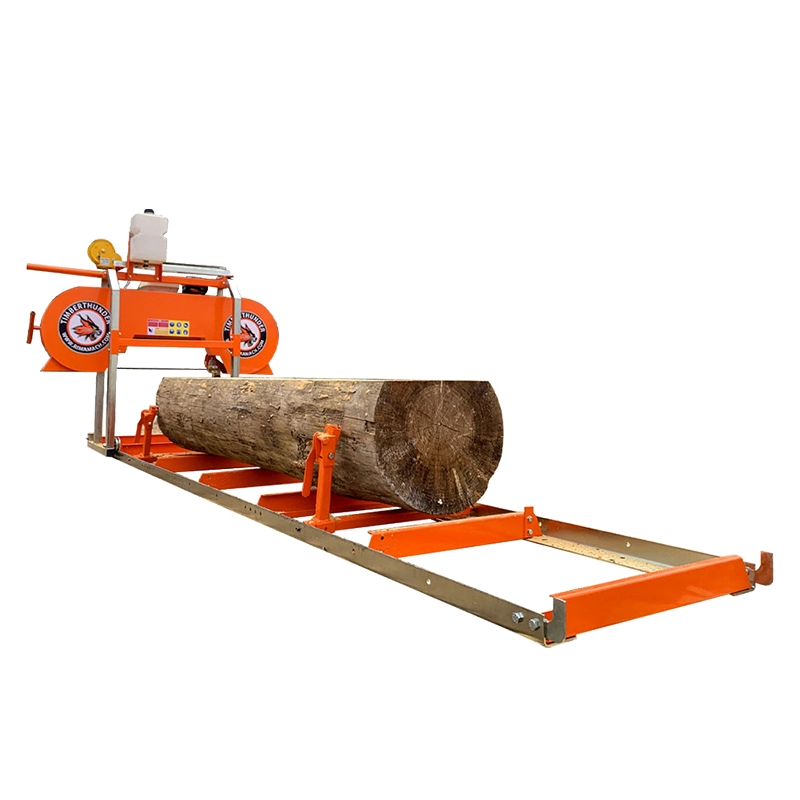
Buying a portable sawmill is a total game-changer. It’s the moment you stop looking at a stand of trees as just “woods” and start seeing the potential for custom lumber, heirloom furniture, or that cabin you’ve always planned. Whether it’s already sitting in your yard or you’re still narrowing down your options, one thing is clear: it’s a massive investment—the workhorse driving your business
But here’s the cold, hard truth that often gets lost in the excitement: a sawmill is a precision instrument. Treat it with professional-grade respect, and it’ll pay dividends for a lifetime.
A well-maintained mill will give you dead-straight, buttery-smooth boards for years. Neglect it, and you’re looking at wavy cuts, costly repair bills, and the headache of constant downtime. The goal isn’t just to fix things when they snap; it’s about adopting a “preventative-first” mindset. Let’s dive into how smart design—like the features built into RIMA sawmills—makes these chores easier so you can get back to what matters: cutting wood.
Dialing In Your Blade Tension and Tracking
The blade is the business end of the machine. You could have the beefiest engine on the market, but if your blade setup is sloppy, your lumber will be too. For most new owners, finding that “Goldilocks zone” for tension is the toughest part of the job.
- Too Loose:The blade starts to wander. The moment it hits a tough knot or a grain shift, it’ll dive or climb, leaving you with “washboard” surfaces or boards that taper off. That’s just a waste of high-value stock.
- Too Tight:You’re asking for trouble. Over-tensioning chews through your wheel bearings and belts, and it’s the fastest way to snap a blade from metal fatigue.
You’re looking for that sweet spot. That’s where quality engineering pays off—the RIMA RS18G, for example, features a tensioning system that gives you real-time, intuitive feedback. Remember, blades heat up and stretch as you work. A blade that’s snug at the start of the shift can easily lose its edge three logs in. You need to fine-tune it mid-cut without breaking your stride.
Tracking is just as crucial. It’s all about how the blade “tracks” on the band wheels. If it’s too far back, it’ll grind against the flange and dull your edge; too far forward, and the teeth will start eating your wheel belt for lunch.
Don’t Let Friction Win: Lubrication and Cooling
Friction is the ultimate machine killer. Pushing a steel band through a massive log of solid oak generates incredible heat. Left unchecked, pitch and sap will bake onto the blade like glue.
Once that buildup starts, the blade develops significant pitch buildup, increasing drag and heat. Eventually, the metal loses its “temper”—the steel softens, the edge dulls instantly, and you’re basically done for the day.
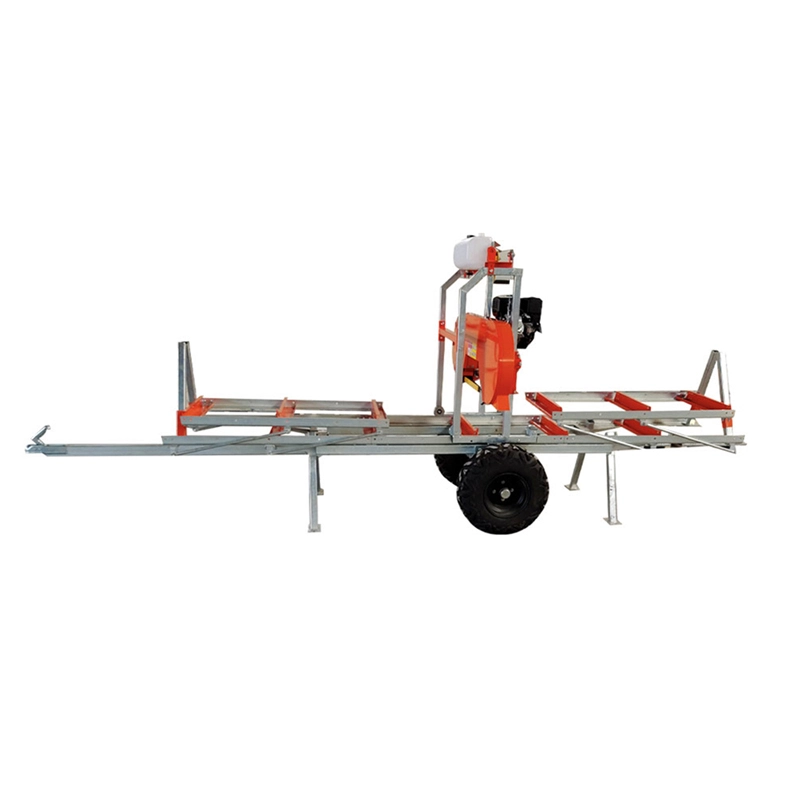
Think of your lubrication system as a lifeline, not an extra. Keep that lube mix flowing to wash away sawdust and keep things cool. And don’t forget the carriage! Heavy-duty tracks, like those on the RS18GT, need regular grease. Check your guide blocks and rollers every single time you start. If those rollers run dry, they’ll vibrate—and vibration is the absolute enemy of a smooth cut.
Clear Out the Sawdust (The Hidden Enemy)
It’s easy to think sawdust is just part of the scenery, but leaving it to sit is a rookie mistake. Sawdust acts like a sponge, holding moisture right against your steel tracks and inside the wheel housing.
Let that wet dust sit, and rust will start eating your machine overnight. Even worse, packed sawdust can harden into “speed bumps” on your tracks. Even a tiny bump will make the saw head jump, leaving a nasty gouge in your lumber.
Get into the habit of blowing off the mill after every session. RIMA mills are designed with an open frame specifically to avoid “debris traps,” so a quick blast with an air compressor or leaf blower is usually all it takes to keep things in pristine shape.
Engine Care: The Muscle
The engine is the heart of the operation. Most portable mills run on air-cooled gas engines, which means they need to “breathe” to stay alive. If your air filter gets choked with dust, the engine starves for air, runs way too rich, and builds up carbon fast. You’ll feel it the moment the saw starts bogging down in a wide cut.
Stick to a simple checklist:
- Daily oil checks:Oil is cheap; a blown engine is a disaster.
- Inspect the drive belt:Look for fraying or that “shiny” glazed look. A slipping belt is just wasted power.
- Swap the plugs:A fouled spark plug makes for a very frustrating, cold morning.
Since RIMA uses industry-standard, high-reliability engines, finding parts isn’t a headache. You won’t be waiting weeks for a shipment from overseas—you can usually grab what you need at a local shop and get back to work.
Start with a Level Foundation
You can have the sharpest blade in the world, but if your track is twisted, your lumber is going to be junk. The saw head simply follows the path of the track. If the rails dip, your cut dips.
Setting up on raw ground is a moving target. Soil settles—especially after a rain or after you’ve rolled a two-ton log onto the deck. You’ve got to “sight” those rails regularly. If you see a twist, fix it before you make your first cut. Those adjustable feet are there for a reason. Taking five minutes to make sure the frame is perfectly level is the difference between premium lumber and expensive firewood.
Why the Right Support Matters
Maintenance is a two-way street between you and the manufacturer. You handle the daily greasing, but you need a machine that’s actually built to be serviced.
On a RIMA mill, the bolts are where you can reach them and the components are built to take a beating. But if you hit a wall—maybe a weird wood species that won’t cut right or a part you need after a mishap—you want a real person on the line. We provide the manuals, the videos, and the tech support to make sure your mill stays in the woods and out of the shop.
Ready to level up? If you’re looking for a machine that can handle bigger logs and tougher timber without breaking a sweat, we’re here to help. [Contact us today] and let’s find the model that fits your goals.
FAQ
Q: How often do I really need to sharpen my blades?
A: Usually every 2 to 4 hours of actual “teeth-in-the-wood” time. Clean pine is easy, but if you’re cutting “skidded” logs covered in mud, you might be dull in 30 minutes. If you have to “muscle” the saw through the cut, the blade is already gone. Swap it out.
Q: Is plain water okay for lube?
A: It’ll provide some cooling, but it won’t do a thing for pitch buildup. Most sawyers add a squeeze of Dawn or a specialized sawmill lube additive. It “wets” the water, so it actually sticks to the blade and dissolves the sap before it becomes a problem.
Q: Why is my brand-new blade making wavy cuts?
A: If it’s sharp, it’s almost always a tension or alignment issue. Check your tension first. If that’s solid, look at your guide rollers. If they’re worn out or set too far back from the log, the blade will deflect the second it hits a hard spot in the wood.






LEAVE A REPLY